

Your bedroom should be more than just a place to sleep—it should be your sanctuary, your escape, the one space in your home that truly feels like you. But if you’re staring at the same tired walls, wondering why your room never quite feels finished, you’re not alone. The bedroom aesthetics of 2026 aren’t about chasing trends or filling every corner with decor. They’re about creating intentional spaces that make you actually want to be there, whether you’re winding down after a long day or starting your morning with calm instead of chaos.
What if your bedroom could feel both Instagram-worthy and genuinely comfortable? What if you could create a space that looks designer-level but still works for real life—laundry piles, phone chargers, and all? In this guide, I’m breaking down five transformative bedroom aesthetic approaches that work for apartments, tight budgets, and anyone who’s ever felt stuck between wanting style and needing comfort. These aren’t just pretty concepts—they’re practical roadmaps with specific furniture choices, lighting strategies, and layering techniques that actually change how a room feels every single day.
Cozy Bedroom Aesthetic Ideas For 2026
Cozy isn’t about cramming your room with throw pillows until you can’t find your bed. It’s about creating a calm, tactile environment that feels intentionally designed for comfort. In 2026, the cozy bedroom aesthetic leans toward edited warmth—think warm neutrals, strategic layers, and lighting that actually makes you want to stay in bed an extra ten minutes.
The Foundation: Starting With Your Base Palette
Your color foundation sets the entire mood, and for cozy bedrooms, you want colors that feel like a warm hug.
- Warm beige as your wall color creates instant coziness without feeling dated
- Soft white works if you layer in enough warm textures to prevent that cold, sterile look
- Earthy neutrals like terracotta-tinged tans or warm grays ground the space
- Add subtle green accents through plants or textiles to keep things fresh
The key is choosing one base neutral and sticking with it across your larger pieces.
Essential Furniture Pieces That Deliver Comfort
You don’t need a room full of furniture—you need the right furniture that balances function with comfort.
The Bed Setup:
- Low-profile platform bed with a padded or upholstered headboard
- Two compact nightstands with enough surface space for essentials
- Simple-lined dresser that doesn’t visually overwhelm
The Extras That Matter:
- Small reading chair or upholstered bench at the foot of the bed
- One floor lamp with a dimmer for flexible lighting
- Minimal shelving or wall-mounted storage to reduce floor clutter
Keep furniture lines simple so your textiles can do the heavy lifting visually.
Layering Textiles For Actual Comfort
This is where cozy bedrooms separate themselves from cold, minimal spaces. Your bedding needs to work in layers.
Start with high-quality sheets with a crisp, breathable feel—nothing scratchy or overly synthetic. Then build up:
- Lightweight quilt or coverlet as your middle layer
- Textured throw in a contrasting weave at the foot of the bed
- Two pillow sizes minimum—sleeping pillows plus Euro or standard shams
Add a medium-pile area rug that extends at least 18 inches beyond each side of your bed. This creates that soft-landing moment your feet deserve every morning.
📌 Pin this cozy layering strategy! 📌
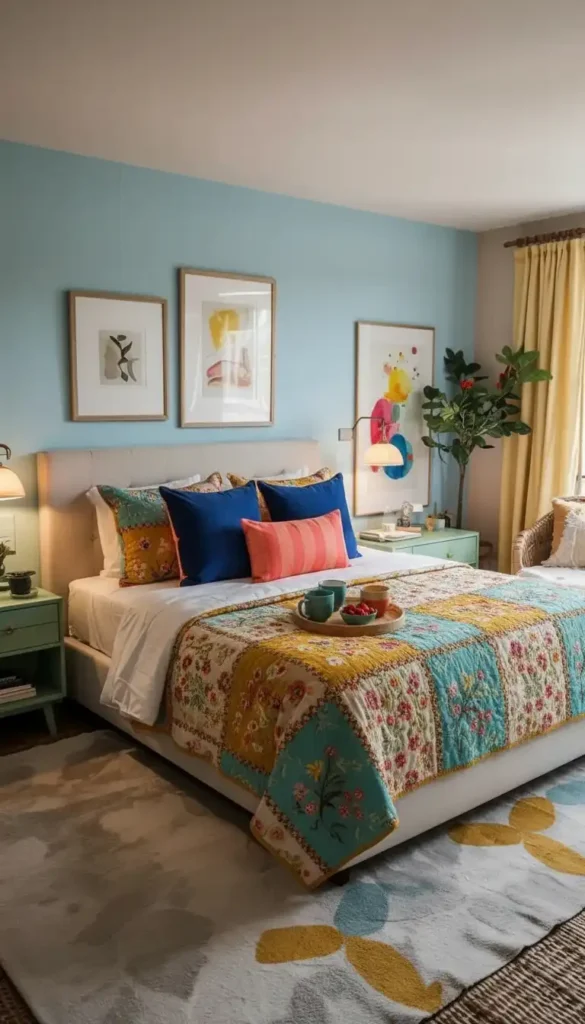
Lighting: The Make-Or-Break Element
Harsh overhead lighting kills cozy faster than anything else. You need multiple light sources you can control independently.
Three-Layer Lighting Approach:
- Bedside lamps with warm LED bulbs (2700K-3000K color temperature)
- Dimmable floor lamp in a reading corner or opposite corner from the bed
- Overhead fixture on a dimmer, used sparingly
Hide any LED accent strips behind headboards or under floating shelves—visible LED strips read college dorm, not sophisticated cozy.
Decor That Adds Warmth Without Clutter
The biggest mistake in cozy bedrooms is thinking “cozy” means “more stuff.” It doesn’t.
Keep decor intentional:
- One large framed print or canvas instead of a gallery wall
- Ceramic or wooden tray on your nightstand to corral daily essentials
- One live plant in a simple pot—greenery adds life without visual noise
- Full-length curtains in a neutral fabric that filters daylight
Each piece should serve a purpose, even if that purpose is just making you smile.
The Texture Mix That Works
Cozy rooms need texture variety, but it has to feel cohesive. Mix materials intentionally:
- Smooth cotton sheets against chunky knit throw
- Soft upholstered headboard with natural wood nightstands
- Plush rug under crisp linen curtains
Aim for three distinct textures in every sightline. This creates visual interest without needing bold colors or patterns.
Why This Approach Works For Apartments
Cozy bedrooms are perfect for rental spaces because they don’t require permanent changes.
Apartment-Friendly Wins:
- No paint or wallpaper needed—warmth comes from textiles and lighting
- Furniture stays simple and movable
- Layers can adjust seasonally without replacing entire setups
- Everything feels intentional without custom built-ins
You’re adding warmth through what you bring in, not what you install.
Common Cozy Bedroom Mistakes To Avoid
Even with the right intention, these mistakes derail the cozy aesthetic:
- Buying everything at once leads to mismatched chaos—upgrade touchpoints gradually
- Too many decorative pillows creates clutter, not comfort
- Cold color temperatures in bulbs (anything over 3500K feels harsh)
- Skipping window treatments leaves the room feeling unfinished
Focus on sheets, lighting, and one quality rug first. Everything else is secondary.
📌 Save this cozy bedroom roadmap! 📌
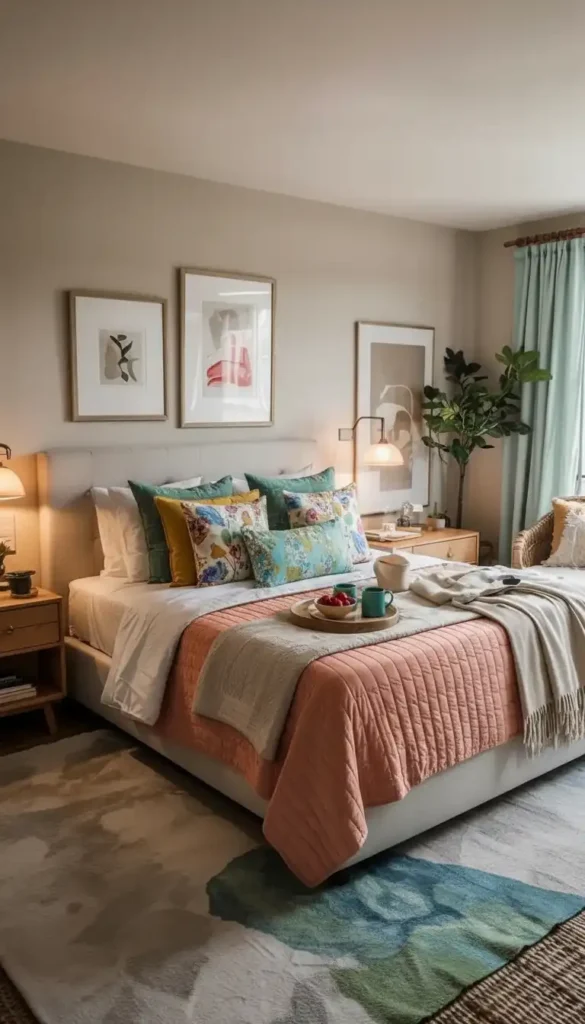
The cozy bedroom aesthetic in 2026 is about restraint and intention. When every piece serves comfort—visual or physical—your room transforms from just another sleeping space into somewhere you actually want to spend time.
Modern Bedroom Aesthetics With Personality
Modern doesn’t have to mean cold, sterile, or impersonal. The modern bedrooms that actually work in 2026 blend clean lines with carefully chosen personal touches. This is about creating a foundation that feels streamlined, then adding the details that make it unmistakably yours.
Defining Modern With Warmth
True modern bedroom design in 2026 rejects the ultra-minimal, everything-white-and-chrome approach of previous years.
What Modern Actually Means Now:
- Clean furniture shapes without unnecessary ornamentation
- Limited color palette with intentional accent choices
- Clear floor space and defined pathways
- Personal storytelling through curated objects and art
Think Nancy Meyers movie sets—rooms that look effortlessly collected, bright, and lived-in while still maintaining clean sight lines.
The Modern Furniture Framework
Your furniture choices set the tone. Modern means streamlined, but not uncomfortable.
Essential Pieces:
- Platform bed with a simple upholstered or wood frame
- Streamlined nightstands—floating or with minimal drawer pulls
- One statement piece like a sculptural chair, curved dresser, or unique lighting fixture
The statement piece is crucial. It’s what stops the room from feeling like a catalog page.
Scale Matters:
- Furniture should be proportional to room size—oversized pieces break the modern vibe
- Leave breathing room between furniture groups
- One large piece beats three small ones visually
Creating Personality Through Art And Objects
This is where your room becomes yours instead of just “a modern bedroom.”
The Edited Approach:
- One large artwork over the bed or dresser, not multiple small pieces
- One theme note repeated subtly twice—travel photography, botanical prints, abstract shapes
- Sculptural objects on one or two surfaces, not every flat space
Pick a personal detail that matters to you—maybe vintage cameras, collected ceramics, or a single bold color—and let that thread through the room without overwhelming it.
Color Strategy: Calm Base With Controlled Pops
Modern bedrooms work best with a neutral foundation and strategic color placement.
The Formula:
- Base palette: Whites, warm grays, natural wood tones
- Calming accent: Soft blue or sage green in larger textile pieces
- Bold pop (optional): One controlled hit of red, mustard, or deep pink in art or a pillow pair
The accent color keeps things from feeling too neutral. The pop adds energy without chaos.
Avoid using more than three colors total in a modern bedroom—restraint is the point.
📌 Pin this modern color formula! 📌
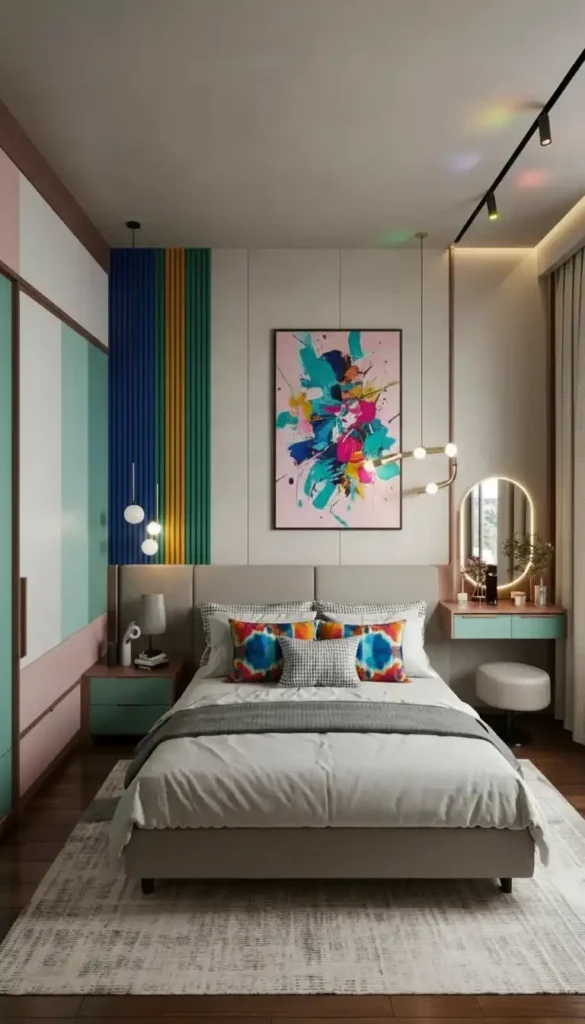
Strategic LED Lighting Integration
LEDs can work in modern bedrooms, but only if they’re invisible during the day.
Hidden Placement Options:
- Behind headboard to create a floating effect
- Under floating nightstands or shelves
- Inside recessed ceiling details
Set them to warm white (never RGB rainbow mode). The goal is ambient elevation, not nightclub vibes.
Combine hidden LEDs with visible, design-forward lamps—the Flos IC Light, West Elm Mid-Century table lamps, or simple ceramic bases with linen shades.
The French-Modern Hybrid
Adding a subtle French influence softens modern without making it fussy.
French Touches That Work:
- Vintage-style mirror with ornate frame as a single focal point
- Petite chandelier with modern bulbs replacing a boring flush-mount
- Curved furniture in one piece—think rounded bench or scalloped dresser
Keep these touches to one or two items. The contrast between modern clean lines and one romantic element creates visual interest.
Vanity Integration For Small Spaces
If you want a vanity in a modern bedroom, it needs to be intentional and compact.
Modern Vanity Essentials:
- Wall-mounted floating shelf with a round mirror above
- Compact desk that doubles as a workspace and beauty station
- Comfortable upholstered stool that tucks completely underneath
Lighting is critical—install sconces on either side of the mirror or add a slim LED mirror for even, flattering light.
Keeping Modern From Feeling Like A Showroom
The biggest complaint about modern bedrooms is that they feel like hotel rooms—nice to look at but not actually comfortable.
The Fix:
- High-quality sheets with texture, not just smooth sateen
- One plush throw in a contrasting weave
- Real books on nightstands, not just decorative objects
- Personal photographs in simple frames
These details signal that someone actually lives here. Modern is about edited intention, not sterile perfection.
📌 Save this modern personality guide! 📌
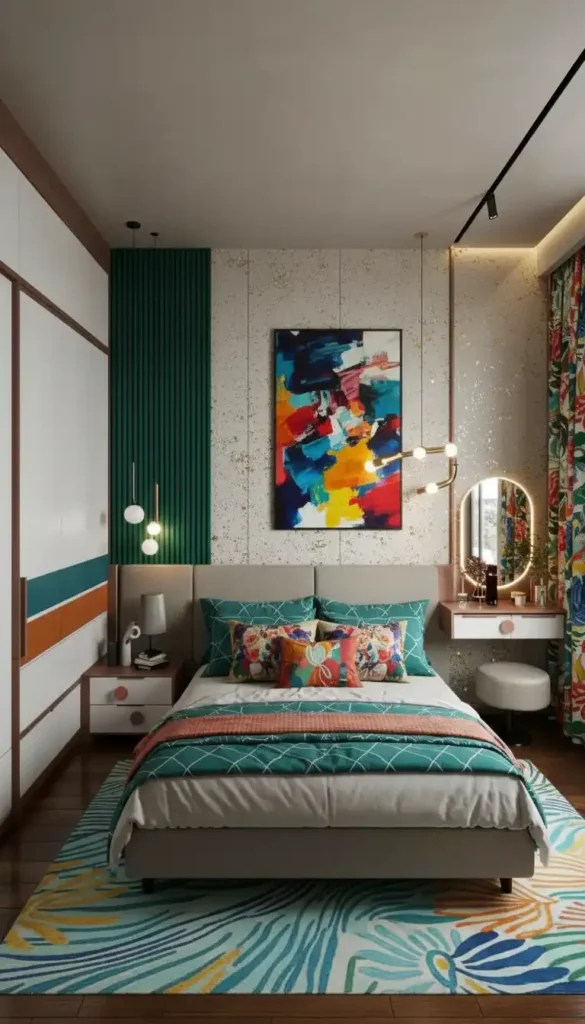
Modern bedroom aesthetics in 2026 prove you can have clean, streamlined spaces that still feel personal and warm. It’s not about removing everything—it’s about keeping only what matters and making sure each piece earns its place.
Cozy And Comfy Bedroom Aesthetic Layers
Layering is the fastest transformation tool for bedrooms. It doesn’t require new furniture or paint—just strategic additions that change how a room feels from the floor up. In 2026, layering focuses on creating adaptable comfort that works across seasons while maintaining a cohesive, intentional look.
Understanding The Layering Philosophy
Layering isn’t about piling on as much as possible. It’s about creating depth through deliberate material and texture choices.
Why Layering Works:
- Adds visual interest without bold colors or patterns
- Creates physical comfort through multiple soft touchpoints
- Allows seasonal adjustments without complete room overhauls
- Makes simple furniture look more expensive and considered
The goal is a room that feels soft and cocoon-like at night, but still breathable and light during the day.
The Floor-Up Layering Sequence
Start where you literally start your day—the floor.
Foundation Layer:
- Medium-pile area rug extending at least 18-24 inches beyond bed edges on three sides
- Natural fibers like wool or jute for bedrooms, or plush synthetic for maximum softness
- Neutral base color that won’t compete with bedding
Your first step out of bed should feel intentional, not harsh against cold floors.
Building The Perfect Bed Stack
This is where most people get overwhelmed, but there’s a formula that works every time.
The Five-Layer Bed System:
- Base layer: Fitted sheet (high-quality cotton or linen)
- Sleeping layer: Flat sheet or duvet cover
- Weight layer: Blanket or lightweight quilt
- Texture layer: Coverlet or heavier quilt in contrasting weave
- Accent layer: Throw blanket at foot of bed in different material
You don’t use all layers year-round—that’s the point. Remove layers 3-4 in summer, add them back in winter.
The Pillow Formula That Looks Good And Works
Decorative pillows are where people either nail it or create chaos.
The Structured Approach:
- Two sleeping pillows in cases—these stay functional
- Two Euro shams (26″ square) or standard shams behind sleeping pillows
- One accent pillow in a contrasting texture—velvet, chunky knit, or linen
That’s it. Five pillows maximum. Anything more becomes a nightly choreography problem.
Texture Mix: Smooth cotton sleeping pillows + linen shams + velvet or knit accent. Three distinct textures, cohesive color story.
📌 Pin this pillow formula! 📌
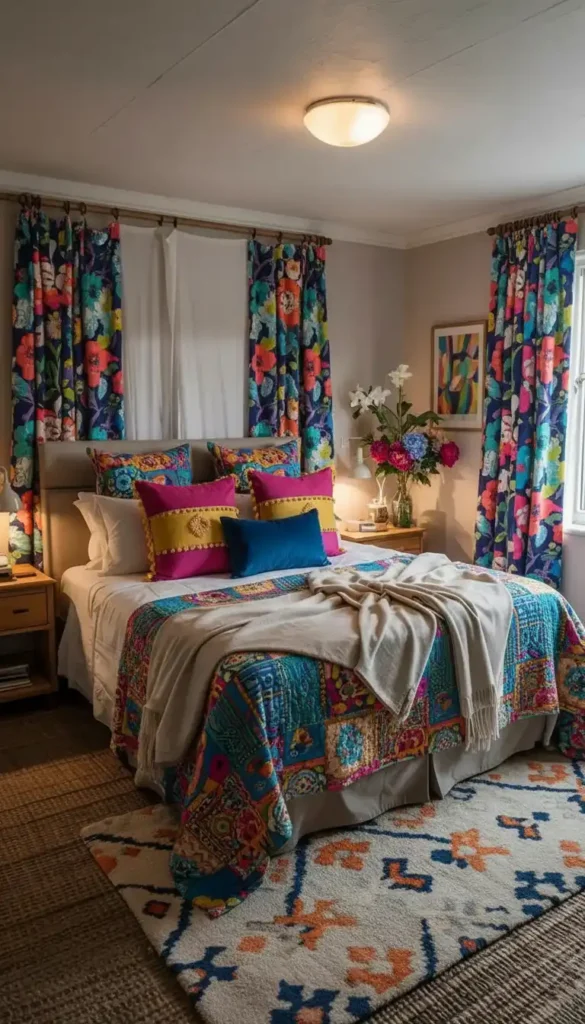
Window Treatment Layering
Curtains do more heavy lifting than people realize. They soften walls, control light, and make ceilings feel higher.
The Effective Approach:
- Full-length panels that hang from ceiling to floor, not window-to-sill
- Neutral fabric that filters daylight—linen or cotton blend works best
- Hung high and wide—mount rods 4-6 inches above window frame, extend 6-8 inches beyond frame on each side
You want curtains to frame the window generously, not strangle it. When closed, they should just kiss the floor or hover 1/2 inch above.
For layering, add room-darkening roller shades behind curtains if you need true blackout capability. The combo gives you light control plus visual softness.
Lighting Layers For Every Mood
A single overhead light cannot create comfortable layering. You need options.
The Three-Source Minimum:
- Bedside lamps for reading and wind-down (one on each side for symmetry)
- Floor lamp in reading corner or opposite corner for balanced ambient light
- Overhead fixture on dimmer for general room lighting
Add a fourth source—hidden LED strip behind headboard or under floating shelves—if you want ambient accent lighting.
Bulb Temperature Matters: All bulbs should be warm white, 2700K-3000K. Mixing color temperatures breaks the cozy layered effect instantly.
Seasonal Layer Adjustments
This is where layering becomes practical, not just pretty.
Summer Setup:
- Remove quilt/coverlet layers, keep just sheet + lightweight blanket
- Swap heavy throws for gauze or cotton versions
- Store extra pillow shams, keep just sleeping pillows + one accent
- Switch to lighter curtain fabric or leave curtains open more
Winter Setup:
- Add back all bedding layers including heavy quilt
- Bring in chunky knit or faux fur throws
- Add extra floor cushion or sheepskin rug at bedside
- Close curtains more to create visual warmth
You’re adjusting comfort level without redecorating entirely.
The Negative Space Balance
This is the mistake most people make with layering—thinking more is always better.
The Rule: For every layered area, create one clear surface. If your bed is fully layered, keep one nightstand completely clear except for one lamp and one small object.
Why This Works:
- Negative space lets your eyes rest
- Clear surfaces feel calming, not cluttered
- It creates intentional contrast that highlights the layering
One styled nightstand, one clear nightstand is a smart approach for visual balance.
📌 Save this layering strategy! 📌
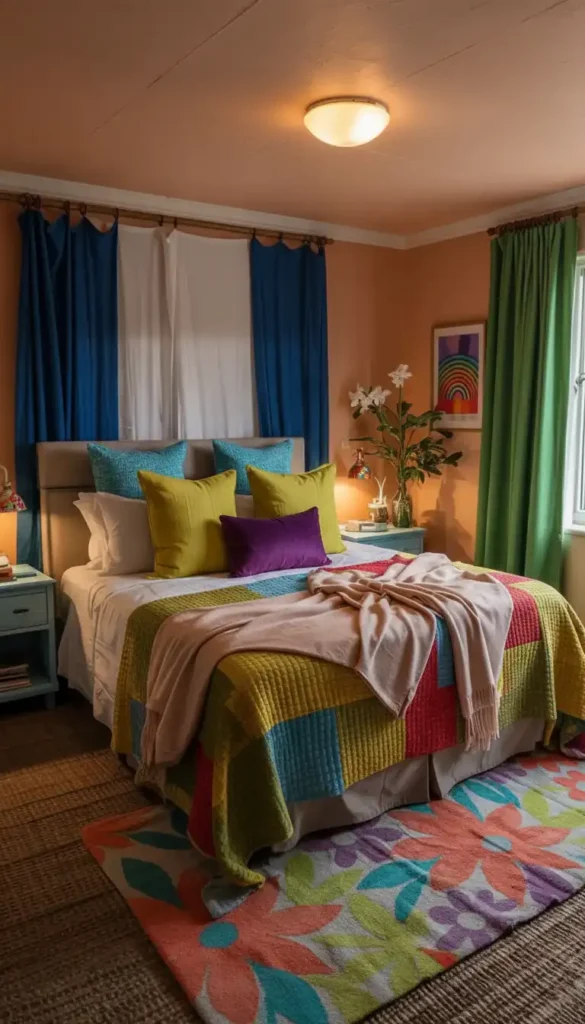
Color And Pattern In Layered Rooms
Layering works best when your color palette stays calm and controlled.
The Approach:
- Neutral base: Whites, beiges, warm grays across major layers
- One accent color: Soft green, dusty blue, or muted pink in 2-3 pieces
- One subtle pattern: Textured stripe, small-scale abstract, or tonal pattern
If the room feels too plain, add pattern through one element—maybe a subtle stripe pillow or a small abstract print throw. Not multiple patterns competing.
Layering is about texture first, pattern second, color third.
Why Layering Solves The “Unfinished” Room Problem
When people tell me their bedroom never looks complete, it’s almost always a layering issue.
Missing Layers Checklist:
- No rug under or around the bed
- Curtains stopping at window sill instead of floor
- Just a duvet with no additional blanket or throw
- Only overhead lighting with no bedside options
Adding even one of these missing layers makes a dramatic difference in how finished and intentional the room feels.
Layering isn’t extra—it’s the actual completion of a bedroom design. It’s the difference between a bed with a comforter and a bed that makes you want to climb in.
Bedroom Aesthetic Decor That Sets The Mood
Mood isn’t accidental. It’s the result of specific, measurable design decisions around lighting, wall treatment, and the small objects you choose to display. In 2026, bedroom mood comes from control—the ability to shift atmosphere instantly based on time of day or what you need from the space. This section is about the practical mechanics of creating that control.
Why Mood Matters More Than Style
Your bedroom needs to support multiple states: waking up gently, winding down after stress, focused reading, and actual sleep.
Mood Priorities:
- Morning: Soft, energizing light without harshness
- Evening wind-down: Warm, dimmable, shadow-friendly lighting
- Sleep: Complete darkness or extremely low amber light
- Focus time: Directed task lighting without ambient brightness
A single lighting setup cannot serve all these needs. Mood design is about creating options.
The Three-Level Lighting System
This is the most important mood-setting decision you’ll make.
Level 1: Ambient (General Room Illumination)
- Overhead fixture on a dimmer switch
- Set to 30-50% brightness in evenings, never full blast
- Warm bulbs only—2700K-3000K
Level 2: Task (Functional Specific Light)
- Bedside lamps for reading
- Desk lamp if you have a workspace corner
- Vanity lighting for grooming tasks
Level 3: Accent (Atmospheric Mood Light)
- Hidden LED strips behind headboard or under shelves
- Salt lamp or small decorative light on dresser
- Battery-powered candles for ambiance without fire risk
You should be able to turn off any level independently and still have comfortable light from the other two.
LED Integration That Feels Intentional
LED strips get a bad reputation because people use them wrong. They can work if they’re subtle.
The Rules:
- Hidden only: Behind headboard, under floating furniture, inside alcoves
- Warm white setting: Never colored unless it’s a very specific aesthetic choice
- Dimmable: Brightness control is mandatory
- As accent, not primary: LEDs supplement other lighting, never replace it
If you can see the LED strip itself, it’s installed wrong. You should only see the glow it creates.
📌 Pin this lighting system! 📌
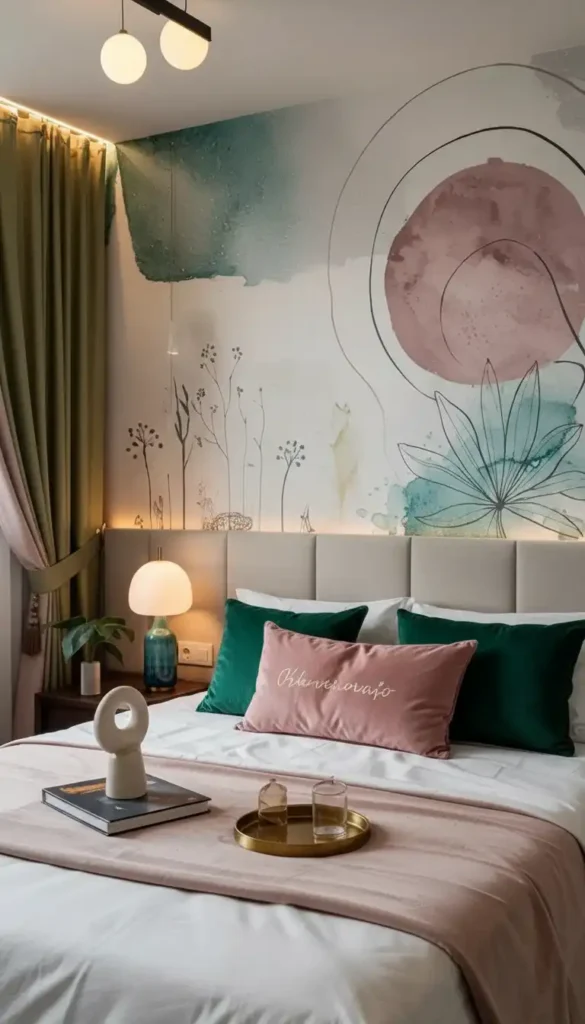
Wall Treatments For Mood
Bare walls feel cold. Walls with too much on them feel chaotic. Finding the middle creates mood.
Effective Wall Decor Options:
Large-Scale Art:
- One large canvas or framed print over the bed (40-60 inches wide)
- Abstract, landscape, or personal photography
- Frame color should complement furniture, not fight it
Wall Stickers/Decals:
- Minimal line art (single-line face drawings, botanical outlines)
- Geometric shapes in matte finish
- Small-scale, not covering entire walls
Alternative Treatments:
- Board and batten paneling for texture without color
- Removable wallpaper on one accent wall
- Large mirror to bounce natural light
Pick one of these approaches per room. Mixing them creates visual confusion.
The Moody Color Palette
If you want a genuinely moody bedroom, color choices matter more than in any other aesthetic.
Deep Moody Colors That Work:
- Dark navy or charcoal on walls with white trim contrast
- Forest green paired with natural wood furniture
- Deep burgundy or wine as accent in textiles against neutral walls
The Balance: Dark walls need ample lighting and at least one light-colored major element (bed linens, curtains, or rug) to prevent cave-like feelings.
Avoiding “Too Dark” Syndrome:
- Keep ceiling white or light neutral
- Use mirrors to reflect light around the room
- Add warm metal accents (brass, copper) to bounce warm tones
Moody doesn’t mean dark everywhere—it means strategic shadow with intentional light.
Dusty Pink For Soft Mood Moments
Pink gets dismissed as juvenile, but dusty, muted pink creates sophisticated calm.
How To Use Bedroom Aesthetic Pink:
- Paired with beige or warm gray, never with bright white
- In textiles first: Throw pillow, blanket, or single curtain panel
- As art accent: Abstract print with dusty pink tones
- Small furniture piece: Upholstered bench or chair in muted rose
The key is keeping pink muted and pairing it with warm neutrals. This creates softness without sweetness.
Surface Styling That Supports Mood
What you put on nightstands and dressers affects mood more than you’d think.
The Formula:
- One catchall tray to corral small daily items (jewelry, coins, lip balm)
- One sculptural object for visual interest—ceramic vase, wooden bowl, unique lamp base
- Small book stack (2-3 books max) if you like the look
What To Avoid:
- Visible charging cables—use cable management boxes
- Too many small items without organization
- Bright alarm clocks with blue light displays
Clean surfaces create calm mood. Cluttered surfaces create visual stress even if you don’t consciously notice it.
Creating Night-Mode Aesthetics
Your bedroom should have a distinct evening setup that signals wind-down time.
Night-Mode Checklist:
- Overhead lights off or dimmed to 10-20%
- Bedside lamps on with warm bulbs
- Hidden LED accent light on if you use it
- Heavier curtains closed to block external light
Bonus Elements:
- White noise machine or fan for audio ambiance
- Essential oil diffuser with calming scent (lavender, cedarwood)
- Blue light filters on all screens
The ritual of shifting to night mode trains your brain that sleep is coming.
📌 Save this mood-setting guide! 📌
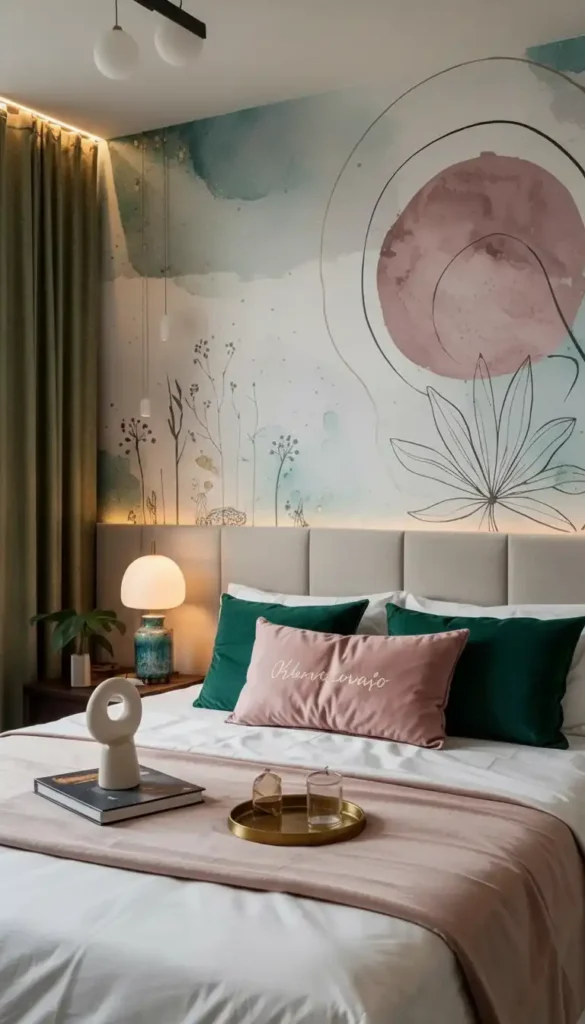
The Mirror Placement Strategy
Mirrors aren’t just functional—they’re mood tools that manipulate light and space perception.
Strategic Placement:
- Opposite windows to bounce natural light deeper into room
- Beside lamps to amplify warm artificial light
- Not facing the bed (some people find this unsettling for sleep)
Frame Choices:
- Warm metal (brass, gold, copper) for cozy moods
- Dark wood for moody aesthetics
- Simple black or white for modern clean looks
One large mirror (36+ inches) works better than multiple small ones for mood impact.
Controlling Visual Noise
Mood dies when there’s too much visual competition for attention.
Visual Noise Culprits:
- Exposed cords and cables
- Too many small decorative objects
- Mismatched furniture finishes
- Overly bright or reflective surfaces in wrong places
The Fix:
- Hide or organize all cables with velcro ties and cable boxes
- Limit decor to 1-2 objects per surface
- Keep furniture finishes within the same tone family (all warm woods, or all cool metals)
- Use matte or satin finishes on walls, save gloss for small accent pieces
Calm mood requires calm surfaces. Your eye should be able to rest, not constantly scan for the next thing to look at.
Why Mood Matters More Than Matchy-Matchy
Perfect coordination is boring. Perfect mood is memorable.
You can have a moody bedroom with mismatched nightstands if the lighting is right. You cannot have a moody bedroom with perfectly matched furniture if you only have harsh overhead lighting.
Priority Order:
- Lighting (makes or breaks mood)
- Color palette (supports or fights mood)
- Clutter control (enables or destroys mood)
- Furniture coordination (matters least for mood)
Focus your energy and budget on the top three. The fourth is optional.
Vintage Bedroom Aesthetic Revival
The vintage bedroom aesthetic in 2026 isn’t about recreating a specific era perfectly. It’s about blending old character pieces with modern comfort and function. This approach works because it adds instant personality without the sterile feeling that all-new furniture brings. The key is editing—one or two vintage statement pieces in an otherwise clean, contemporary room.
What Vintage Actually Means Now
Vintage has evolved from “everything old” to “curated old mixed with new functionality.”
The 2026 Vintage Definition:
- Furniture or decor from 1920s-1990s with visible patina and age
- Focus on quality materials like solid wood, brass hardware, real textiles
- Character and imperfection over pristine condition
- Livable and functional, not museum-quality
You’re looking for pieces that tell a story but still serve modern needs like storage, comfort, and daily use.
The Anchor Piece Strategy
Start with one vintage statement piece that grounds the entire room.
Best Anchor Options:
Vintage Bed Frame:
- Iron or brass frame with decorative headboard
- Refinished wood platform bed from mid-century era
- Upholstered headboard with button tufting and aged fabric
Classic Wood Dresser:
- Mid-century modern with tapered legs
- Art deco with geometric hardware
- Victorian with ornate mirror attachment
Statement Seating:
- French bergère chair reupholstered in modern fabric
- Vintage vanity chair with carved wood details
- Mid-century lounge chair in original or restored condition
Pick one of these as your hero piece. Everything else stays relatively modern and simple to let the vintage element shine.
📌 Pin this vintage anchor strategy! 📌
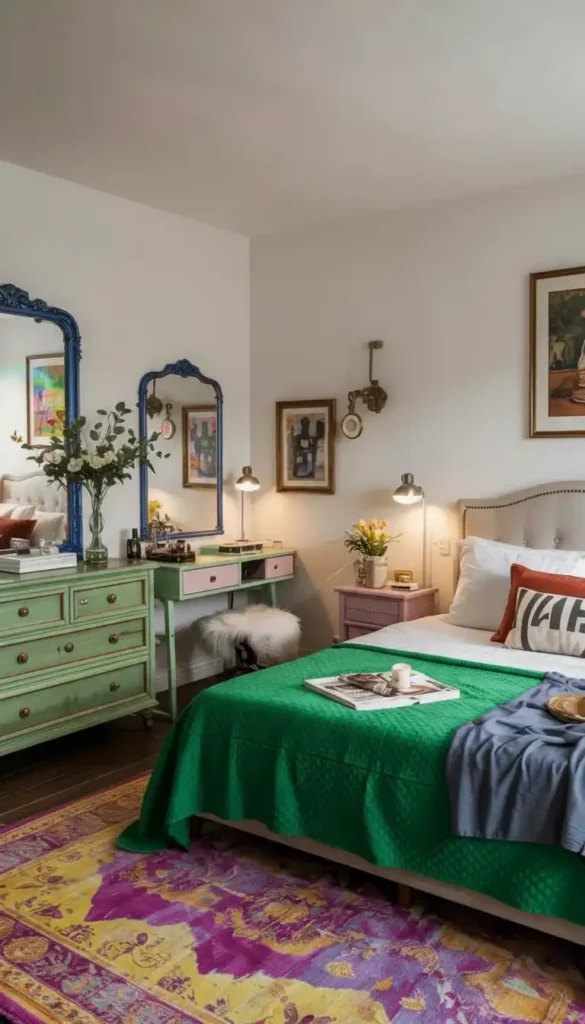
Balancing Old With New
The biggest mistake is going all-vintage and ending up with a grandmother’s attic instead of a designed bedroom.
The Mix Formula:
- One vintage furniture piece (the anchor)
- Modern nightstands or lamps for balance and function
- Contemporary textiles (sheets, duvet) for comfort and ease of care
- One additional vintage accent (mirror, lamp, or small chair)
This creates a curated collected look rather than a themed period room.
Example Setup: Vintage wood dresser + modern platform bed + vintage ornate mirror + modern bedside lamps + contemporary white bedding with one vintage-inspired quilt
French-Inspired Vintage Details
French vintage elements bring romance without fussiness when used sparingly.
Single French Touches:
- Ornate gilt mirror above dresser or bed
- Curved bedside table with cabriole legs
- Small chandelier with crystal details and modern LED bulbs
- Upholstered bench with carved wood frame at foot of bed
The Rule: One French element maximum. Two starts feeling costume-like. Three is a themed restaurant.
Pair French vintage with clean modern lines elsewhere to prevent visual overload.
The Vintage Vanity Corner
A vintage vanity adds function and character, even in small bedrooms.
Making It Work:
Tight Spaces:
- Wall-mounted vintage mirror above small modern desk
- Vintage stool or chair without a full vanity table
- Floating shelf (modern) styled with vintage perfume bottles and trays
Medium Rooms:
- Actual vintage vanity table with mirror
- Comfortable upholstered stool
- Task lighting on either side (sconces or small lamps)
Practical Modern Addition: Add LED mirror lighting or small rechargeable mirror for functional grooming—vintage aesthetic, modern utility.
Color Palette For Vintage Rooms
Vintage works best with warm, grounded colors that enhance age and patina.
Foundational Colors:
- Warm beige or cream as wall color
- Soft sage green for calming accent
- Muted dusty blue in textiles
- Natural wood tones in varying shades
What To Avoid:
- Stark white walls (makes vintage look dingy by contrast)
- Bright primary colors (fights aged aesthetic)
- Cool gray tones (creates temperature clash with warm vintage woods)
The wall color should make your vintage pieces look intentionally curated, not accidentally leftover.
Textile Choices That Support Vintage Vibes
Your bedding and curtains can emphasize or undermine the vintage aesthetic.
Bedding Approach:
- Crisp white or cream sheets to keep things fresh
- Quilted coverlet or vintage-style quilt with subtle pattern
- One textured throw in muted tone—avoid anything too modern and sleek
Curtain Choices:
- Natural linen in warm white or beige
- Simple panels without modern grommets—use pleated or rod pocket tops
- Full length to emphasize traditional proportions
Avoid overly contemporary geometric prints or ultra-modern fabrics like faux silk—they clash with vintage furniture.
📌 Save this vintage textile guide! 📌
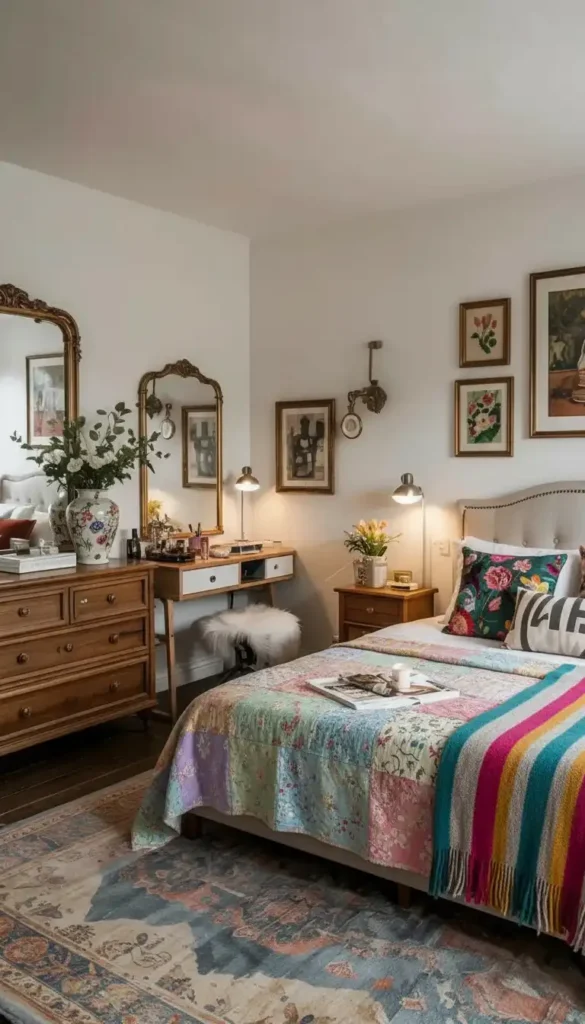
Lighting For Vintage Rooms
Lighting can make vintage feel authentic or theatrical.
Successful Vintage Lighting:
- Brass or bronze table lamps with fabric shades (not glass)
- Edison bulb fixtures if the vintage leans industrial
- Small chandelier or pendant as room focal point with warm bulbs
Modern Functional Lighting:
- Recessed overhead can lights on dimmer
- Under-cabinet lighting if you have built-ins
- Reading light with adjustable arm (modern) next to vintage chair
Mix one or two vintage-style light fixtures with modern functional lighting for the best of both worlds.
Storage Inside Vintage Furniture
Vintage dressers rarely have the organized interiors modern life demands.
The Upgrade:
- Drawer organizers for small items (socks, jewelry, accessories)
- Cedar blocks or lavender sachets for fresh scent
- Shelf liners to protect and update interior surfaces
The exterior stays charmingly aged. The interior becomes functionally modern.
This is the secret to making vintage livable—respect the exterior aesthetic while modernizing the hidden functional spaces.
Avoiding The “Too Many Old Things” Problem
Vintage loses impact when every item is old. It starts looking like accumulated hand-me-downs instead of intentional design.
The Limit:
- 2-3 actual vintage pieces maximum in a bedroom
- Rest should be modern with vintage-compatible styling
Example Breakdown:
- Vintage dresser (hero piece)
- Vintage ornate mirror (supporting piece)
- Vintage chair or bench (optional third piece)
- Everything else—bed, nightstands, lamps, textiles—modern but compatible
This editing makes your vintage pieces special, not expected.
Y2K And 2000s Vintage Elements
A hint of late 90s/early 2000s nostalgia is emerging, but requires careful handling.
What Works:
- Rounded, organic furniture shapes (not angular mid-century)
- Glossy finishes on one accent piece like a frame or lamp base
- Sheer layered curtains over opaque panels
- Metallic accents in silver or chrome (sparingly)
What Doesn’t: Full Y2K teen room aesthetics—zebra print, neon colors, or overly themed spaces. The goal is subtle nod, not time capsule.
Use Y2K elements as a single playful accent within an otherwise mature vintage aesthetic.
Maintenance Reality For Vintage Spaces
Vintage furniture requires more care than IKEA flat-pack.
Ongoing Maintenance:
- Wood furniture needs occasional oiling or waxing
- Brass and metal hardware tarnishes and needs polishing
- Upholstered pieces may need professional cleaning
- Drawer slides may need adjustment or replacement
The Commitment: Only choose vintage if you’re willing to maintain it. If you want zero-maintenance furniture, stick with quality modern pieces that mimic vintage style.
Vintage is for people who see furniture care as part of the appeal, not a burden.
Why Vintage Works For Character
Personality in a room comes from imperfection and history. Vintage delivers both instantly.
What Vintage Brings:
- Immediate character without waiting years for a space to feel collected
- Unique pieces that friends won’t have identical versions of
- Quality materials often superior to modern budget furniture
- Sustainability through reusing existing pieces
New furniture can feel anonymous. Vintage furniture feels like it chose you as much as you chose it.
When balanced with modern comfort—good mattress, quality sheets, functional lighting—vintage creates bedrooms that feel both meaningful and livable. That’s the goal for 2026: rooms with soul that still work for real life.
Conclusion
Your bedroom doesn’t need a complete overhaul to feel completely different. Whether you’re drawn to cozy layers, modern clean lines, rich moody lighting, or curated vintage character, the transformation starts with one intentional choice—better sheets,strategic lighting, or a single statement piece that actually means something to you. The bedroom aesthetics of 2026 aren’t about perfection or matching a specific trend. They’re about creating spaces that support how you actually live, sleep, and recharge.
Start with what bothers you most about your current room. Too cold and stark? Add layers and warm lighting. Feels cluttered and chaotic? Edit down to modern essentials with one personal accent. Still feels generic? Bring in one vintage piece with real character. You don’t need to execute everything at once—just pick your priority aesthetic and build from there. Your bedroom should be the one room in your home that feels undeniably, unapologetically yours, and these five approaches give you the practical roadmap to make that happen without the overwhelm.

“I share simple, beautiful and affordable home decor ideas to help you style every corner of your home with ease.