

You’ve stood in your kitchen staring at your island, knowing something feels incomplete. Maybe you’ve ordered stools that looked perfect online but arrived too tall, too uncomfortable, or completely wrong for your space. Or perhaps you’re paralyzed by the endless options—backless versus backed, white versus black, modern versus cozy—wondering which choice you’ll regret less. The truth is, island seating can make or break your kitchen’s functionality and feel, turning it from a beautiful but unused showpiece into the heart of your home where everyone naturally gravitates.
The right kitchen island chairs transform daily routines and social dynamics in ways you don’t expect until you experience them. They determine whether kids actually do homework there, whether friends linger during meal prep, whether breakfast feels rushed or relaxed. In 2026, the best island seating solutions balance aesthetic impact with genuine comfort, creating spaces that work for quick coffee grabs and long conversations alike. This guide walks you through five essential approaches that address real-world challenges—from measuring and spacing to finish selection and traffic flow—so your island chairs look intentional, feel comfortable, and actually get used every single day.
Kitchen Island Chairs Ideas 2026 For Modern Homes
Modern kitchen island seating in 2026 prioritizes comfort without sacrificing the clean, streamlined aesthetic that defines contemporary design. The most successful chairs appear lightweight and unobtrusive while providing genuine support that makes people want to linger. These designs maintain open passage behind the seats, ensuring the kitchen remains easy to navigate even when all stools are occupied. The key is treating island chairs as integral parts of the overall living space rather than kitchen-only afterthoughts.
Starting With Critical Measurements
Before falling in love with any chair design, you need accurate measurements that prevent costly mistakes and ensure comfortable, functional seating.
- Counter height: Measure from floor to island surface (typically 36 inches for standard, 42 inches for bar height)
- Overhang depth: Ensure 10-15 inches of counter extends beyond the base for knee clearance
- Seat spacing: Allocate 24-30 inches of width per seat for comfortable elbow room
- Clearance behind: Maintain 36-42 inches between seatbacks and nearest obstacle for easy exit
Seat Height and Proper Proportions
The relationship between counter height and seat height determines comfort more than any other single factor. Getting this wrong makes even beautiful chairs unusable.
- Standard counter height (36 inches) pairs with 24-26 inch seat height
- Bar height counters (42 inches) require 30-32 inch seat height
- Leave 10-12 inches between seat top and counter bottom for leg comfort
- Test the height in person when possible—online photos deceive
Material Mixing for Modern Warmth
Contemporary doesn’t mean cold. The best modern island chairs combine materials that add warmth while maintaining clean lines.
- Slender metal frames with upholstered seats balance structure and comfort
- Wood legs with performance fabric create warmth without bulk
- Mixed finishes (matte metal with textured cloth) add visual interest
- Wipeable surfaces maintain modern aesthetics while handling real-world use
Pin this modern island chair measurement guide! 📌
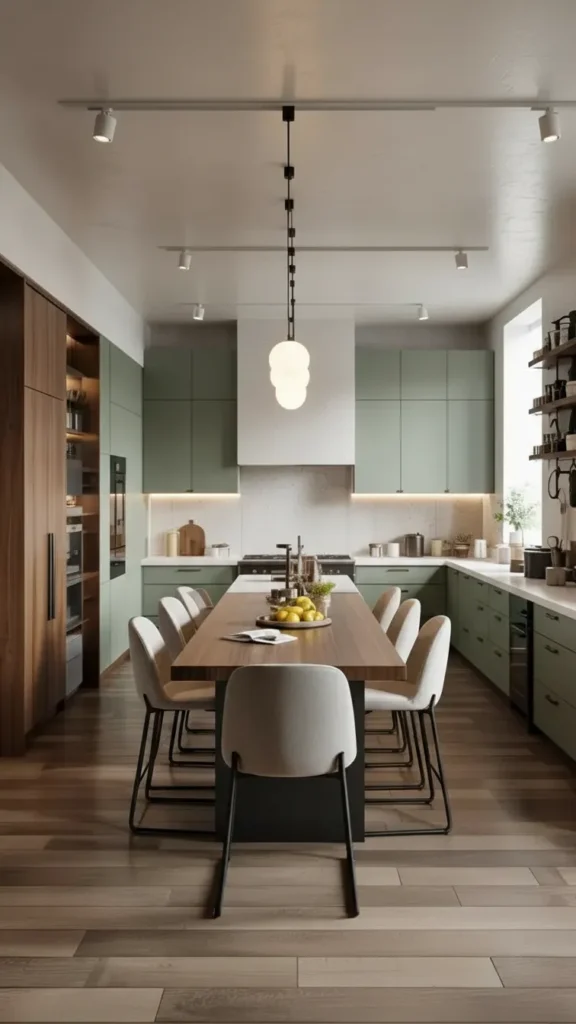
Color Strategy in Neutral Kitchens
When your kitchen palette leans neutral, island chairs can either anchor the space or keep it light and airy. The choice depends on your desired visual weight.
- Black frames define the island as a focal point and add modern edge
- White seats maintain openness and make the island feel less imposing
- Warm wood tones bridge cool modern surfaces with organic warmth
- Matte finishes in any color read more contemporary than glossy alternatives
Adding Subtle Color in Bold Kitchens
If your kitchen already features strong color through cabinetry or backsplash, chair selection requires restraint to prevent visual chaos.
- Keep chair frames simple and let existing color dominate
- Choose subdued accent colors (olive, clay, navy, charcoal) for seats
- Limit colorful elements to seat upholstery, keeping frames neutral
- Test color samples in your actual lighting before committing
Creating a Defined Seating Zone
Modern design benefits from subtle cues that define the island as its own area within the larger kitchen space.
- Low-profile runner rugs under the island mark the zone without blocking traffic
- Pendant cluster lighting creates a visual ceiling above the seating area
- Consistent finish choices (all black frames, matching wood tones) unify the chairs as a set
- Minimal styling on the counter reinforces the island as a functional gathering spot
Considering the Full Seating Experience
Modern island chairs should support bodies comfortably, not just look sleek in photos. Small details make enormous differences in actual use.
- Chair backs should hit shoulder blades, providing real lumbar support
- Footrests positioned where feet naturally fall prevent dangling legs
- Slight seat angles (backward tilt) encourage relaxed posture
- Swivel mechanisms add convenience but require more clearance space
Save this modern comfort checklist! 📌
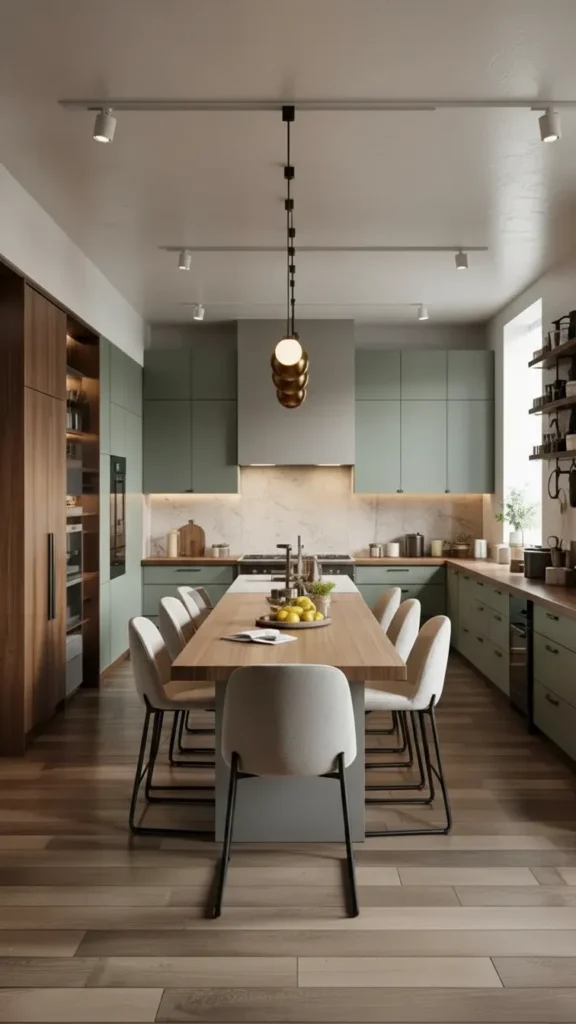
Finish Coordination Throughout the Space
The most cohesive modern kitchens repeat finishes strategically, creating visual rhythm without exact matching.
- Echo chair metal finishes in cabinet hardware, faucets, or lighting
- Match wood tones to flooring or other furniture elements
- Limit yourself to 2-3 metal finishes throughout the entire kitchen
- Consider how finishes look in both daylight and evening artificial light
Swivel Versus Stationary Considerations
Swivel stools offer convenience but require different spacing calculations and may not suit all modern aesthetics.
- Swivel mechanisms need 28-32 inches of width per seat (versus 24-26 for stationary)
- Check that swiveled chairs don’t hit neighboring seats or island corners
- Modern swivel bases in metal or wood can look intentional rather than casual
- Stationary chairs with angled backs provide some directional flexibility without swiveling
Testing Before Finalizing
Even with perfect measurements, some aspects only reveal themselves through real-world testing in your actual space.
- Sit in floor models at the store for several minutes, not just seconds
- Check whether you can slide the chair in and out without hitting obstacles
- Verify that taller family members have adequate legroom
- Confirm the chair height allows comfortable eating and working postures
Modern kitchen island seating succeeds when form and function support each other equally, creating spaces that look purposeful and feel genuinely comfortable for extended use.
Kitchen Ideas Island Chairs That Balance Style And Comfort
Achieving both style and comfort requires approaching island seating as a carefully composed furniture vignette rather than a purely functional necessity. The chairs must reflect your kitchen’s design language while providing support that encourages people to actually sit for more than grabbing a quick snack. This balance transforms islands into genuine gathering spots where homework happens, conversations flow, and morning coffee feels leisurely rather than rushed.
Selecting Supportive Yet Stylish Shapes
The chair’s profile determines both its visual impact and its comfort level. The best designs offer real back support without appearing bulky.
- Gently curved backs conform to natural spine shape without looking fussy
- Mid-height backs (14-18 inches above seat) provide support without blocking sightlines
- Slim profiles from the side maintain visual lightness in the room
- Angled seatbacks encourage relaxed posture rather than rigid upright sitting
Performance Fabrics That Look Luxurious
Islands often serve as snack bars and homework stations, which means upholstery must withstand real use while still looking intentional.
- Textured vinyl or leather-like materials wipe clean easily
- Performance fabrics with stain resistance don’t sacrifice visual softness
- Slightly textured surfaces hide minor wear better than smooth materials
- Removable, washable covers offer peace of mind for families with children
Coordinating Legs With Existing Finishes
Chair legs create visual connections to other kitchen elements, tying the island into the broader design composition.
- Match wood leg tones to cabinet finishes or flooring
- Echo metal leg finishes in cabinet hardware, faucets, or lighting
- Consider how leg style (tapered, straight, splayed) relates to existing furniture
- Avoid mixing more than two different leg finishes in a single kitchen
Pin this style-comfort balance approach! 📌
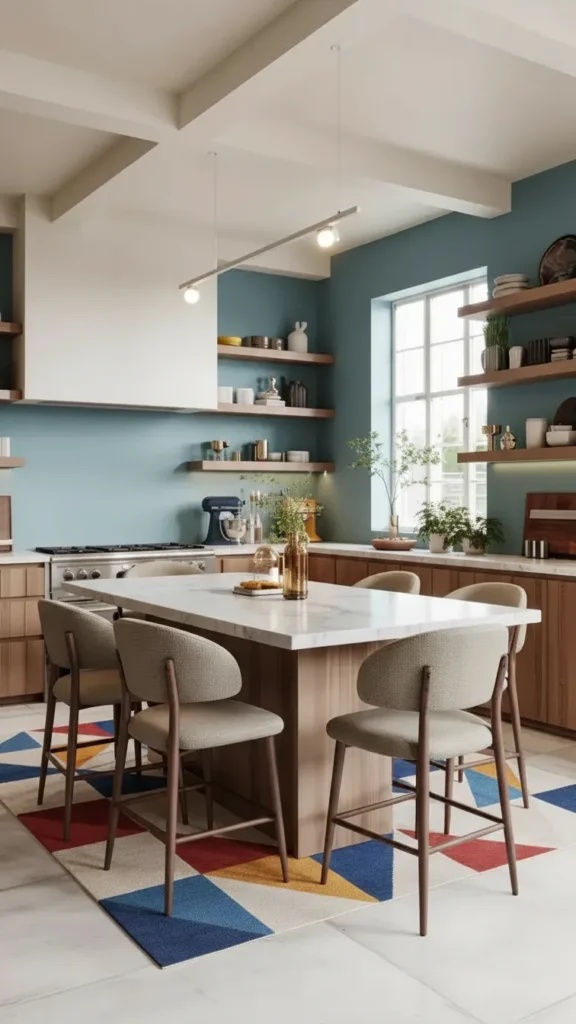
White Seats Without Clinical Coldness
White island chairs maintain brightness and openness but require texture to avoid feeling sterile or institutional.
- Choose white upholstery with subtle texture (linen weave, leather grain, channel stitching)
- Pair white seats with warm wood legs to add organic warmth
- Contrast white chairs against darker countertops for definition
- Select off-white or cream tones over stark bright white for softer effect
Using Black Frames as Visual Anchors
Black chairs or frames create strong focal points that ground the island and add sophisticated contrast.
- Matte black frames read more modern than glossy alternatives
- Black metal legs pair beautifully with marble or light wood counters
- All-black chairs work in predominantly light kitchens without overwhelming
- Black accents should repeat elsewhere (hardware, lighting, window frames) for cohesion
Adding Thoughtful Comfort Details
Small enhancements dramatically improve the sitting experience without changing the chair’s overall aesthetic.
- Thicker seat cushions (2-3 inches) allow comfortable extended sitting
- Gentle seat contouring prevents pressure points during long conversations
- Footrest height and depth that accommodate various leg lengths
- Slightly wider seats (18-20 inches) feel more generous than standard 16-inch widths
Why Backless Stools Often Fail
Backless stools photograph beautifully and appear minimalist, but many homeowners regret choosing them for daily use.
- Lack of back support discourages lingering and relaxed posture
- People naturally avoid seating that doesn’t allow leaning back
- Backless works only for very quick perching, not meals or conversations
- Adding backs later requires replacing entire stools, not just modifying them
Save this comfort enhancement strategy! 📌
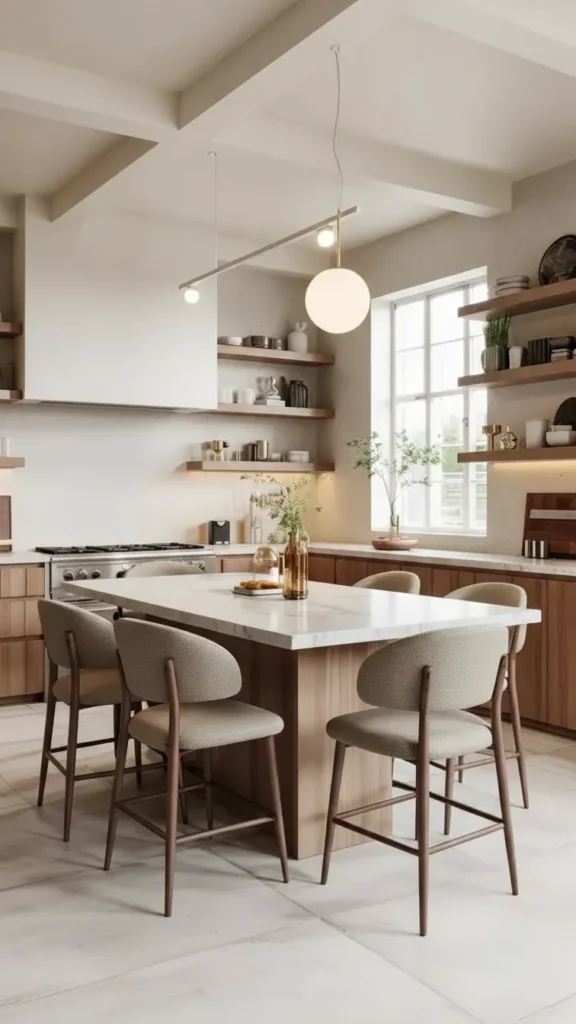
Texture Coordination Throughout the Room
Creating a cohesive space means repeating textures subtly rather than exact matching, which can feel overly coordinated.
- Echo chair upholstery texture in window treatments or pendant shades
- Repeat metal finishes in lighting, hardware, or countertop accessories
- Balance smooth surfaces with textured ones for visual interest
- Limit yourself to 3-4 different textures total to prevent chaos
Acoustic Considerations in Open Kitchens
Upholstered chairs provide unexpected sound absorption in hard-surfaced kitchens, reducing echo and noise levels.
- Fabric seats soften sound more than wood or metal alternatives
- Multiple upholstered chairs create noticeable acoustic improvement
- Consider this benefit particularly important in open-concept homes
- Pair soft seating with other sound-absorbing elements (rugs, curtains)
Protecting Floors From Movement
Island chairs move frequently as people sit and stand throughout the day, which can damage flooring without proper protection.
- Install felt glides on all chair legs to prevent scratching
- Replace worn glides regularly—they lose effectiveness over time
- Choose glide types appropriate for your flooring (felt for hardwood, rubber for tile)
- Consider chairs with built-in floor protectors for easiest maintenance
Honest, Livable Design Choices
The best island chairs balance aesthetic ambitions with realistic daily-life requirements, creating spaces that look great and actually function.
- Select finishes that hide normal wear (textured over smooth, matte over glossy)
- Prioritize comfort features that encourage actual use
- Choose materials appropriate for your household’s real messiness level
- Design for how you actually live, not for how lifestyle magazines suggest you should
Stylish comfort in island seating comes from chairs that support bodies genuinely while looking like deliberate design choices rather than purely functional necessities.
Kitchen Island Seating Ideas Chairs For Everyday Living
Everyday island seating either enhances daily routines seamlessly or creates constant friction and frustration. The most functional setups accommodate real habits—quick breakfasts, kids dropping backpacks, friends perching during meal prep—while maintaining traffic flow that allows kitchen work to continue unimpeded. Practical island chairs prioritize layout, clearance, and material durability because beauty without function fails in spaces used multiple times daily.
Designing Around Actual Daily Habits
Before selecting chairs, observe how your household actually uses (or would use) the island to ensure the seating supports real behaviors.
- Quick breakfast eaters need easy in-and-out access without chair maneuvering
- Homework sessions require comfortable backs and adequate elbow room
- Social perching during cooking benefits from swivel chairs that turn toward action
- Multiple simultaneous uses (eating, working, chatting) need sufficient spacing
Maintaining Critical Traffic Flow
The space behind occupied chairs determines whether the kitchen remains functional when people are seated.
- Provide 36 inches minimum behind chairs for walking passage
- Ensure 42-48 inches if the path leads to major appliances (refrigerator, oven)
- Check that stood-up chairs don’t block dishwasher or cabinet access
- Test clearances by having people actually sit while you navigate around them
Choosing Forgiving, Family-Friendly Materials
Daily-use island chairs must withstand spills, scuffs, and constant contact without showing every mark.
- Stain-resistant fabrics handle food and drink mishaps without permanent damage
- Sealed wood resists water rings and wipes clean easily
- Textured surfaces (rather than smooth) camouflage minor scratches and wear
- Performance vinyl offers leather look without maintenance demands
Pin this everyday functionality guide! 📌
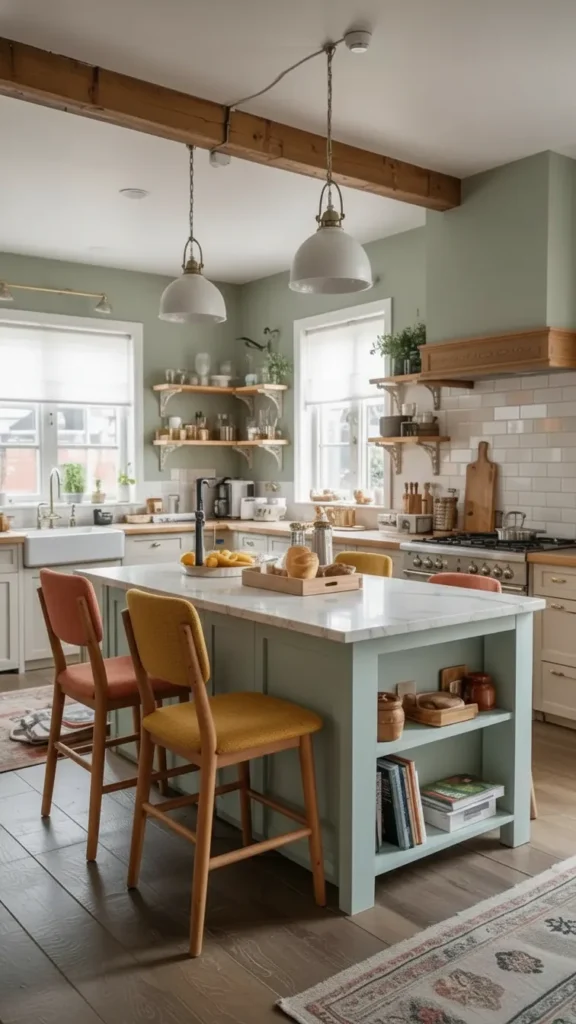
White Seating in High-Traffic Kitchens
White chairs can surprisingly work well in busy households when constructed from wipeable materials with slight texture.
- Choose white vinyl, leather, or performance fabric rather than untreated cloth
- Slight texture or grain hides minor discoloration better than smooth white
- Washable slipcovers offer white aesthetic with practical cleaning options
- Avoid bright white in favor of warm off-white that forgives imperfection
Dark Finishes for Low-Maintenance Living
Black, charcoal, and mid-tone wood chairs show significantly less daily wear than lighter alternatives.
- Fingerprints and scuffs barely register on darker surfaces
- Black metal frames hide dings and scratches effectively
- Medium wood tones (walnut, oak) age beautifully with use
- Matte dark finishes outperform glossy ones for concealing wear
Creating Clutter Management Systems
Islands naturally attract daily detritus—keys, mail, devices—which means building in organizational solutions from the start.
- Include a tray or bowl on the island for corralling small items
- Designate one island section for temporary drop-off items
- Keep seating areas clear by providing alternative drop zones nearby
- Style the island minimally so clutter stands out and gets addressed quickly
Backs Versus Backless for Daily Function
Backed chairs dramatically outperform backless stools for everyday use, particularly for families who linger at the island.
- Backs encourage comfortable extended sitting for meals and homework
- People naturally gravitate toward supportive seating over backless perching
- Open-back designs provide support without visual bulk
- Low backs (14-16 inches) offer support while maintaining some sleekness
Save this material durability strategy! 📌
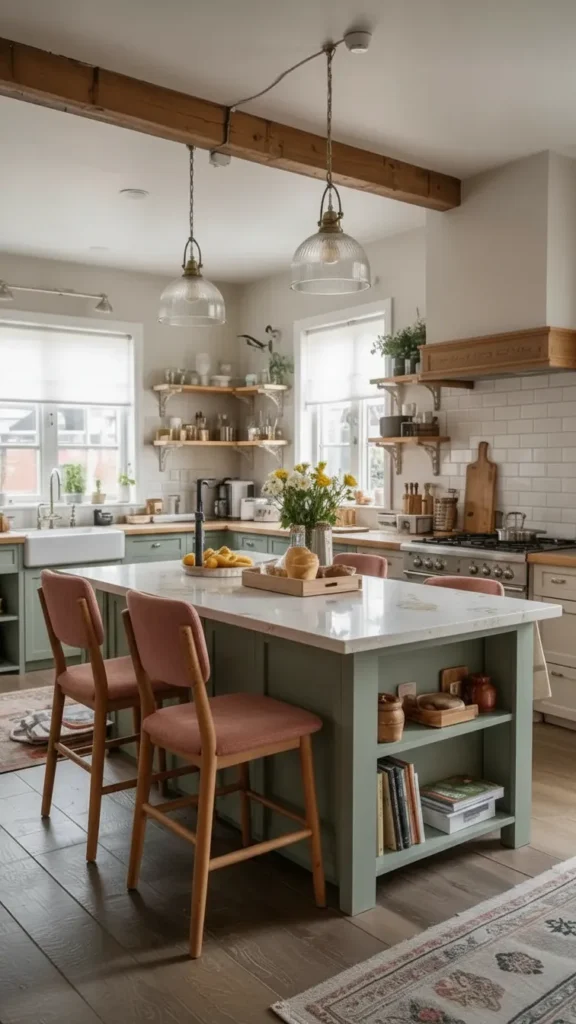
Lighting That Supports Multiple Activities
Island seating areas host diverse activities requiring different lighting approaches throughout the day.
- Layer ambient lighting with focused task lighting over the seating area
- Ensure light doesn’t create harsh shadows on faces during meals
- Provide adequate illumination for reading, device use, and detailed work
- Consider dimmable options that adjust from bright task mode to soft ambient glow
Electrical Access for Modern Life
Charging devices at the island has become standard behavior, which means planning for accessible outlets.
- Install outlets on island sides or ends, not in the seating surface
- Position outlets 12-18 inches above counter level for easy access
- Provide sufficient quantity—one outlet per 2-3 seats minimum
- Consider pop-up outlets that hide when not in use for cleaner aesthetics
Right-Sizing Your Seating Count
More seats aren’t always better—two comfortable chairs used daily outperform four cramped ones that no one enjoys.
- Count how many people typically eat simultaneously at the island
- Prioritize comfortable spacing over maximum quantity
- Leave one section of the island unseated for food prep or serving
- Consider that 3 comfortable seats often function better than 4 tight ones
Easy-Clean Material Strategy
Realistic everyday seating means accepting that cleaning will be frequent and designing accordingly.
- Choose materials that wipe clean with damp cloth (no special cleaners needed)
- Avoid intricate details or crevices that trap crumbs and dirt
- Select smooth metal finishes over textured ones for easier dusting
- Test-clean floor models before purchasing to understand maintenance reality
Tucking Chairs to Clear Walkways
The ability to push chairs fully under the counter when not in use dramatically improves kitchen flow.
- Ensure chair depth allows full tucking under the overhang
- Check that chair backs don’t extend beyond the counter edge when tucked
- Verify that arms (if present) slide under the counter lip
- Consider armless designs for maximum tucking ability
Everyday island seating succeeds when it accommodates real household rhythms without requiring constant adjustment, maintenance, or frustration.
Kitchen Island With Chairs Ideas For Open Plan Spaces
Open-concept kitchens demand island chairs that bridge the kitchen and living areas visually and functionally. The seating becomes visible from multiple rooms and angles, which means every side matters and the chairs must relate to broader design themes beyond just kitchen aesthetics. Color, finish, and style choices ripple through the entire connected space, creating opportunities to unify or accidentally fragment the overall design composition.
Designing for 360-Degree Visibility
Unlike traditional kitchens where island chairs face only the kitchen, open plans require consideration of views from living rooms, dining areas, and entryways.
- Choose chairs with finished backs that look intentional from behind
- Avoid purely industrial designs unless that aesthetic extends throughout the space
- Ensure chair style relates to living room furniture in formality and finish
- Consider sightlines from every entry point and primary seating area
Creating Living Room Connection
The most cohesive open plans use island chairs that echo the character of living room furniture rather than appearing exclusively kitchen-focused.
- Upholstered seats create warmth and connection to living room soft furnishings
- Sculptural backs add furniture-like presence instead of purely utilitarian function
- Warm wood tones bridge kitchen and living room wooden furniture pieces
- Comfortable proportions signal these chairs serve genuine gathering, not just quick perching
Coordinating Metal Finishes Across Spaces
Open plans amplify the impact of repeated metal finishes, making coordination essential for unified appearance.
- Match island chair frames to coffee table legs or floor lamp bases
- Echo the metal tone in both kitchen hardware and living room accents
- Limit the entire open space to 2-3 different metal finishes maximum
- Consider how metal reads in various lighting from different zones
Pin this open-plan coordination approach! 📌
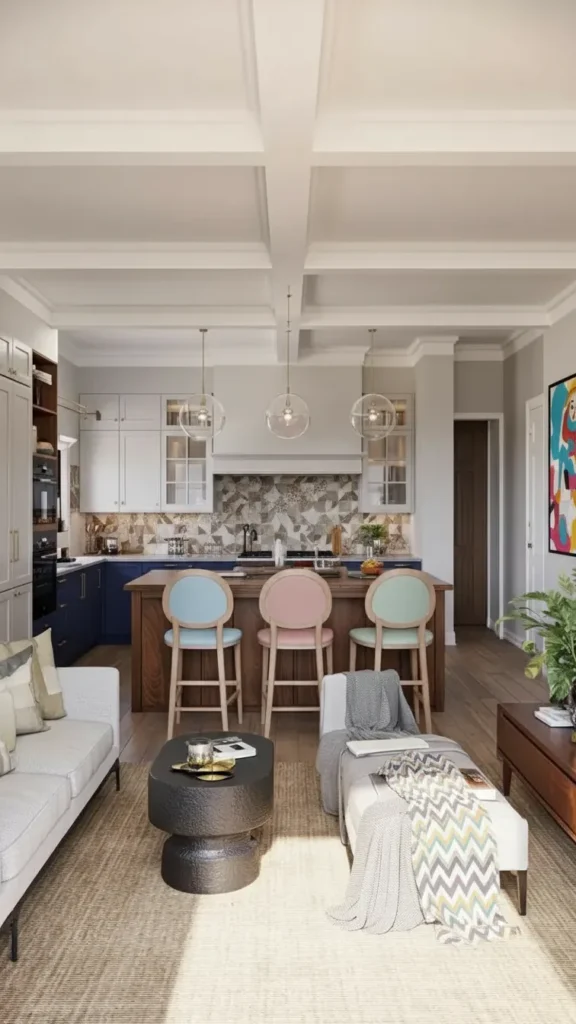
White Chairs for Maintaining Visual Flow
White island chairs help open plans feel continuous and airy, particularly when windows or light-colored furniture dominate the space.
- White maintains sightlines and prevents the island from visually dividing the space
- Works especially well when the island aligns with windows
- Creates seamless flow in predominantly neutral color schemes
- Softens in warm off-white rather than stark bright white
Using Color to Connect Distant Zones
Strategic colorful island chairs can reference living room accents, creating intentional visual connections across the open space.
- Pull accent colors from living room pillows or artwork into island seat upholstery
- Use regulated, sophisticated shades (navy, olive, terracotta) rather than bright primaries
- Limit colorful chairs to one or two if the rest of the kitchen remains neutral
- Ensure the chosen color appears in at least one other location in the visible space
Black Frames for Grounding Effect
Black chair frames create visual weight that can anchor the island and prevent it from feeling disconnected in large open volumes.
- Black grounds the island as a distinct zone while maintaining openness
- Connects to other black accents (window frames, lighting, fireplace surrounds)
- Provides strong contrast against light countertops and cabinetry
- Works particularly well in modern or transitional open-plan designs
Maintaining Minimal Visual Clutter
Open plans display messiness more prominently, making tidy island styling essential for overall space appearance.
- Choose chairs that don’t collect visible clutter (avoid wide horizontal surfaces)
- Style island surfaces minimally—open plans benefit from restraint
- Use closed storage to hide daily items rather than leaving them visible
- Keep chair finishes uniform to prevent chaotic, collected appearance
Save this open-space visual strategy! 📌
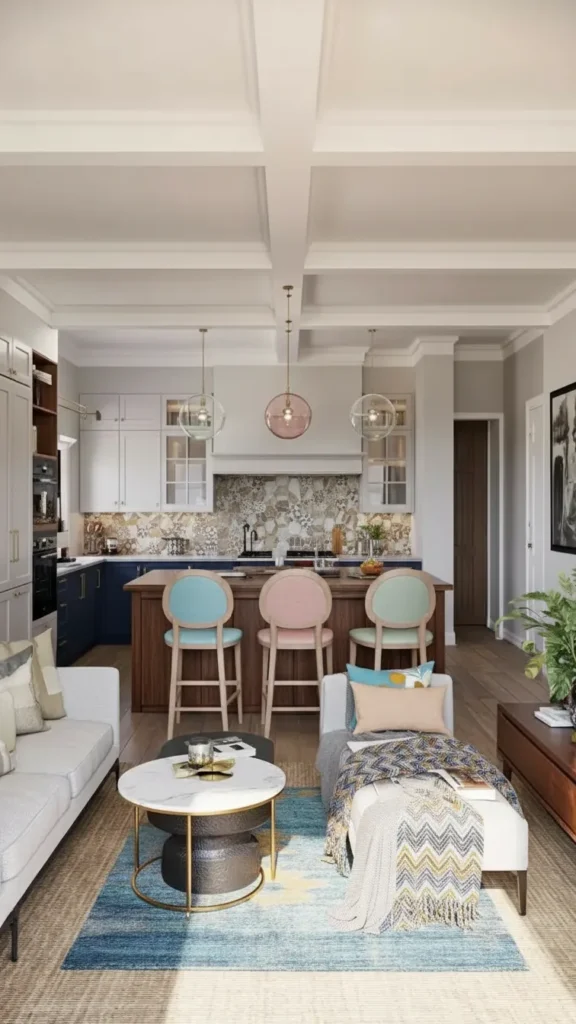
Planning Traffic Flow Across Connected Spaces
Open plans require considering how people move between zones, not just within the kitchen itself.
- Ensure clearance behind chairs doesn’t obstruct paths to dining or living areas
- Check that seated people don’t block natural circulation routes
- Verify that the island placement creates logical flow rather than awkward navigation
- Test walkways with multiple people moving simultaneously
Lighting Coordination Between Zones
Island pendant lights become part of the overall lighting composition in open plans and must relate to visible fixtures.
- Choose island pendants that share design language with living room lighting
- Coordinate metal finishes between kitchen and living room fixtures
- Ensure light output creates balanced illumination across zones
- Use dimmable systems that adjust as the space shifts from cooking to entertaining
Creating Intentional Styling Vignettes
The island top becomes a display surface visible from the living room, requiring thoughtful, minimal composition.
- Include one low bowl or simple vase rather than multiple small objects
- Choose items that relate to living room styling (similar materials, colors)
- Keep the composition clean—open plans reveal clutter immediately
- Change seasonal styling to keep the space feeling fresh
Considering Acoustic Impact
Open plans benefit from sound-absorbing materials that reduce echo and noise transfer between zones.
- Upholstered chair seats provide acoustic softening
- Multiple fabric elements (chairs, rugs, window treatments) significantly improve sound
- Hard surfaces throughout open plans create harsh acoustics
- Balance kitchen’s necessary hard surfaces with strategic soft materials
Repetition for Design Flow
Subtle material repetition across visible zones creates cohesion without exact matching, which feels forced.
- Repeat chair wood tones in living room furniture or flooring
- Echo upholstery colors or textures in throw pillows or window treatments
- Use similar finish sheens (all matte or all with slight sheen) across spaces
- Maintain consistent formality levels between kitchen and living furnishings
Open-plan island seating succeeds when it acknowledges its visibility from multiple areas and intentionally connects kitchen and living zones through coordinated materials, finishes, and styling approaches.
Kitchen Island Ideas With Bar Chairs For A Contemporary Look
Contemporary bar chairs deliver modern impact through slim profiles, clean lines, and finishes that coordinate with architectural details and hardware. The key is achieving sleek minimalism without sacrificing warmth or comfort—contemporary doesn’t mean cold or unwelcoming. These chairs work especially well with islands featuring strong geometric lines or waterfall edges, where the furniture echoes the architectural quality of the island itself.
Defining Contemporary Chair Characteristics
Contemporary bar chairs distinguish themselves through specific design elements that create current, uncluttered aesthetics.
- Thin silhouettes that appear lightweight from all angles
- Straight lines or gentle curves without ornate detailing
- Minimal visual weight that doesn’t overwhelm the space
- Quality construction that’s evident in joints, finishes, and proportions
Choosing the Right Bar Height
Bar-height seating requires different measurements than counter-height, and mixing them incorrectly creates uncomfortable, unusable seating.
- Bar height counters (42 inches) need 30-32 inch seat height
- Counter height islands (36 inches) require 24-26 inch seat height
- Verify your actual island height—assumptions lead to expensive mistakes
- When in doubt, bring measurements to showrooms and test actual chairs
Contemporary Frame Materials
The frame material and finish define the chair’s contemporary character more than any other single element.
- Brushed metal (brass, steel, or nickel) coordinates with modern hardware
- Matte black steel creates strong contemporary lines without harshness
- Slim wood legs in light oak or walnut add warmth to modern frameworks
- Powder-coated finishes resist fingerprints better than polished alternatives
Pin this contemporary design selection guide! 📌
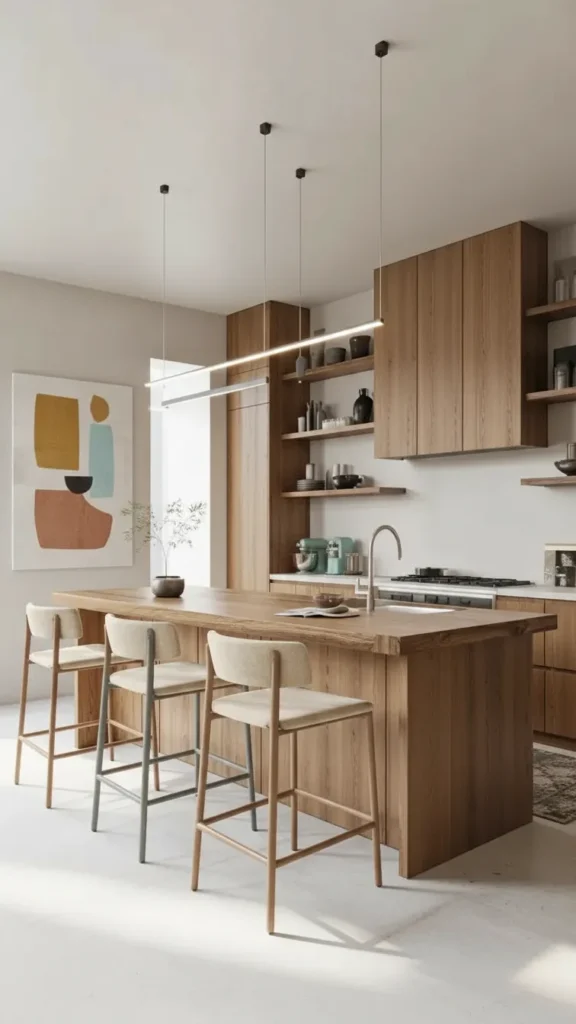
Upholstered Seats Without Bulk
Contemporary chairs need seating comfort but must avoid the visual weight that traditional upholstery creates.
- Choose slim seat profiles (2-3 inches thick) with firm supportive foam
- Look for tailored upholstery without excessive tufting or skirts
- Select performance fabrics that maintain clean appearance with use
- Consider leather or vinyl for sleek, wipeable contemporary look
White Seats in Contemporary Kitchens
White bar chairs maintain brightness and work beautifully in contemporary kitchens when given slight texture to prevent flatness.
- Pair white seats with black or metal frames for crisp contemporary contrast
- Choose textured white materials (grain, weave, or subtle pattern)
- Works best in bright, smooth kitchens with ample natural light
- Avoid stark white in favor of warm off-white for softer effect
Bold Color as Contemporary Statement
Deep, sophisticated colors create focal points in contemporary kitchens without abandoning modern restraint.
- Navy, charcoal, or forest green reads contemporary, not traditional
- Terracotta or burnt orange adds warmth with current appeal
- Deep plum or burgundy provides richness without appearing dated
- Limit bold color to seats only, keeping frames neutral
Minimal Styling for Maximum Impact
Contemporary design principles demand restraint in island surface styling, letting the chairs themselves create visual interest.
- Limit surface items to one simple bowl or tray
- Avoid multiple small decorative objects that create visual clutter
- Keep the island largely clear to emphasize clean lines
- Let the chair design be the focal point rather than competing with styling
Save this contemporary styling approach! 📌
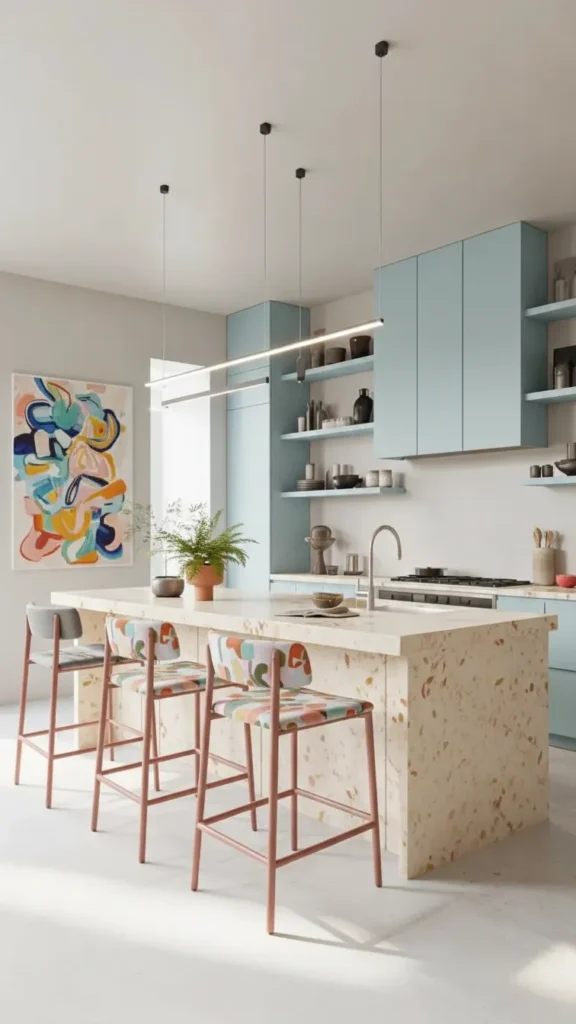
Swivel Function in Contemporary Design
Swivel mechanisms can feel casual, but contemporary versions with quality construction maintain sophisticated appearance.
- Choose swivels with clean, minimal bases rather than bulky mechanisms
- Look for smooth, quiet operation that feels quality rather than cheap
- Verify the swivel returns to forward position naturally
- Ensure swiveled chairs don’t compromise the contemporary aesthetic from any angle
Scale and Proportion Precision
Contemporary design is unforgiving of proportion mistakes—every element must relate intentionally to others.
- Match stool scale to island thickness and pendant size
- Avoid oversized stools that overwhelm contemporary islands
- Ensure stools aren’t too petite, which appears like an afterthought
- Consider the visual weight from all viewing angles, not just straight on
Matte Versus Glossy Finishes
Finish sheen significantly impacts contemporary aesthetics and practical maintenance in high-touch areas.
- Matte finishes read more current and hide fingerprints effectively
- Glossy finishes can appear dated and show every touch mark
- Satin finishes offer middle ground with subtle sheen
- Match finish sheen to other kitchen elements (cabinets, counters, hardware)
Backside Visibility in Open Layouts
Contemporary design demands that chair backs look intentional from the living room side in open-concept homes.
- Choose chairs with finished backs that show quality construction
- Avoid purely industrial looks unless that aesthetic extends throughout
- Consider how the chair back reads as sculpture from behind
- Ensure any exposed mechanisms or joints appear deliberate rather than unfinished
Coordinating With Modern Hardware
Contemporary bar chairs should echo the kitchen’s hardware finishes for cohesive, intentional appearance.
- Match chair frame metal to cabinet pulls and faucet finish
- Coordinate with pendant light fixtures and other visible metals
- Limit the kitchen to 2-3 metal finishes maximum
- Ensure metal tones (warm brass versus cool steel) align throughout
Durability in Contemporary Finishes
Contemporary materials and finishes must maintain their appearance with daily use—beauty without durability fails.
- Powder-coated metals resist chipping better than paint
- Performance upholstery prevents staining without looking clinical
- Quality construction joints stay tight through constant use
- Sealed wood maintains finish despite regular contact
Contemporary bar chairs succeed when they balance modern aesthetics with genuine comfort and practical durability, creating kitchen islands that look current while functioning beautifully for everyday life.
Conclusion
Your kitchen island chairs make a bigger difference than almost any other kitchen element—they determine how your family gathers, how comfortable your space feels, and whether that expensive island actually gets used or becomes an oversized countertop. The right chairs transform islands from beautiful but lonely centerpieces into magnetic gathering spots where morning coffee turns into conversation, where homework happens naturally, where friends perch and stay while you cook. It’s not about finding the perfect chair; it’s about finding the right chair for how you actually live.
Start by measuring carefully, considering your real daily habits, and honestly assessing your household’s messiness level and comfort priorities. Choose materials and finishes that will age well with your family’s specific use patterns, and don’t sacrifice comfort for aesthetics—uncomfortable chairs simply won’t get used no matter how beautiful they look. Whether you’ve chosen modern minimalism, balanced style-comfort, everyday practicality, open-plan coordination, or contemporary bar seating, the goal remains the same: creating an island that invites people in and makes them want to stay, turning your kitchen into the heart of your home that it deserves to be.

“I share simple, beautiful and affordable home decor ideas to help you style every corner of your home with ease.