

Picture yourself stepping outside with your morning coffee, and instead of a cluttered collection of mismatched furniture, you see a space that makes you want to stay. That feeling—the moment your patio stops being an afterthought and becomes your favorite room—starts with the right chairs. In 2026, outdoor seating isn’t just about having a place to sit; it’s about creating a zone that feels intentional, comfortable, and truly yours.
The truth is, most patios fail because we treat them like storage areas instead of living spaces. We buy chairs on impulse, skip the layout planning, and wonder why we never use the space. But when you approach outdoor seating with the same care you’d give your living room, everything changes. This guide walks you through exactly how to choose, arrange, and style outdoor chairs that transform your patio into a space you’ll actually use every single day.
Outdoor Chairs Ideas 2026 For A Patio That Feels Like An Extra Room
Creating a patio that genuinely feels like an extension of your home requires thinking beyond just placing chairs outside. The difference between a functional outdoor area and a true outdoor room lies in how you design the space with purpose and cohesion.
Start With A Clear Center Point
Every successful patio needs a focal point that anchors the entire space.
- Fire tables create natural gathering spots where everyone gravitates
- Planter walls add verticality and define boundaries without closing off the space
- Compact fountains bring movement and sound that makes the area feel alive
- Coffee tables serve as visual anchors that give every chair a reason to exist
The focal point determines where chairs face and how conversation flows naturally.
Choose Indoor-Level Comfort
The biggest mistake people make is accepting lower comfort standards outdoors than they would inside.
- Look for deep seats with proper lumbar support that let you relax for hours
- Select cushion fabrics rated for outdoor use that still feel soft like indoor upholstery
- Test the seat angle before buying—dining chairs need different ergonomics than lounge chairs
- Consider slightly flexible backs for dining chairs so guests stay comfortable during long meals
When chairs feel as comfortable as your indoor furniture, you’ll naturally spend more time outside.
Ground The Space With Defining Elements
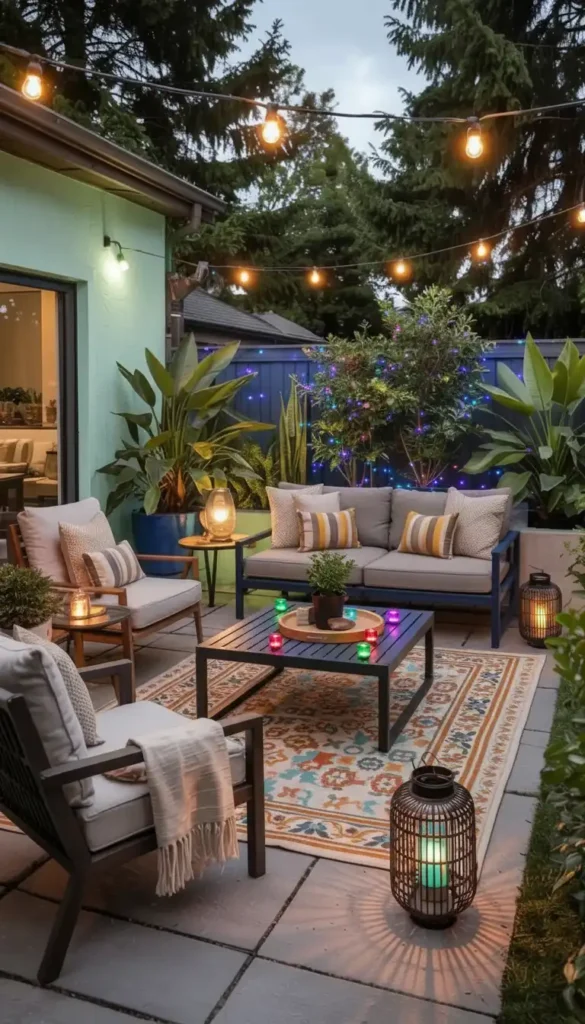
An outdoor rug and proper lighting transform scattered furniture into a cohesive room.
- Outdoor rugs define the sitting footprint and make the space feel finished
- String lights create a ceiling line even without a roof
- Wall sconces add architectural interest and functional illumination
- Lanterns provide portable ambiance you can adjust based on the mood
These elements tell your brain this is a room, not just an outdoor area.
Build A Cohesive Color Palette
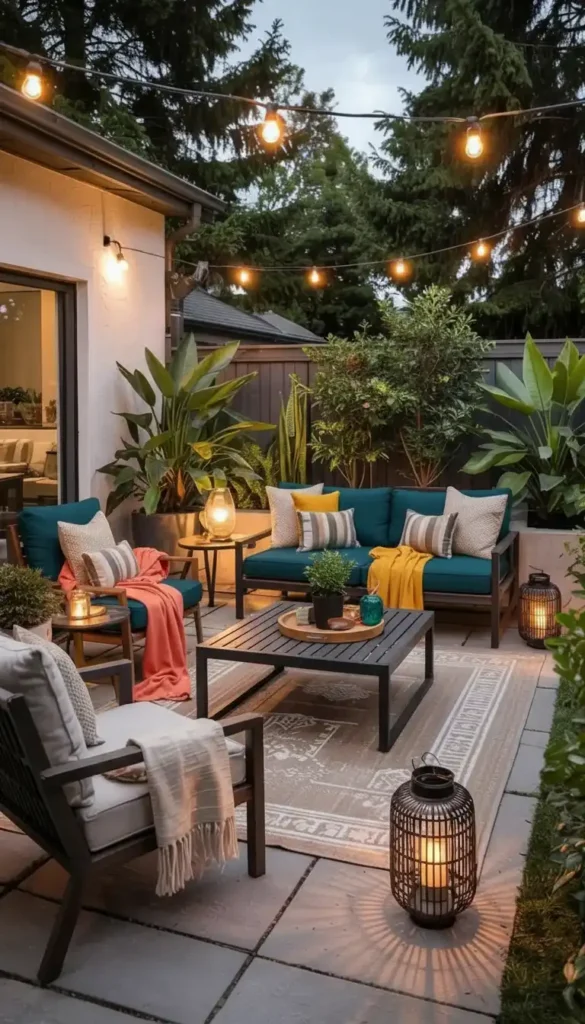
Repeating colors across different elements creates visual unity that feels professional.
- Pick two or three core colors and use them across cushions, planters, and accessories
- Match side table finishes to chair frames for a coordinated look
- Use neutral cushions as a base if you want flexibility to change accent colors
- Add texture through materials rather than multiple colors when you want a simple look
This restraint makes even affordable furniture look intentional and designed.
Pin this cohesive patio design approach! 📌
Mix Statement Pieces With Supporting Seating
A flat arrangement where every chair looks identical can feel boring and hotel-like.
- Choose one larger statement seat like a distinctive lounge chair or hanging chair
- Add supporting chairs in complementary styles that don’t compete for attention
- Pair two matching lounge chairs for symmetry in relaxation zones
- Use different chair types for different functions—lounging versus dining
This layered approach creates visual interest while maintaining harmony.
Consider Sightlines And Traffic Flow
How chairs relate to doorways and views determines whether people actually use them.
- Angle at least one chair toward the house so conversation feels natural when someone steps outside
- Position prime seats to capture the best view in your yard
- Keep a clear path from the door to main seating without shuffling between furniture
- Test the standing-up-and-walking-away scenario to ensure the layout never feels cramped
Thoughtful positioning makes the difference between a space that flows and one that frustrates.
Scale Appropriately For Your Space
Furniture that’s too large overwhelms a patio, while undersized pieces look lost.
- Measure seat depth based on use—lounging requires 24-28 inches, dining needs 16-18 inches
- Consider door swing clearance so furniture doesn’t block entry and exit
- Plan cushion storage space before buying thick cushions with nowhere to go
- Account for pulled-out chairs in dining areas so people can move freely
Getting scale right prevents buyer’s remorse and wasted money.
Create Defined Zones For Multiple Uses
Larger patios benefit from distinct areas that serve different purposes.
- Establish a dining corner with appropriate height chairs and a table
- Design a lounge zone with deeper seating and lower side tables
- Use the same materials across zones so the patio feels unified
- Add rugs or pavers to visually separate areas without building walls
This zoning strategy makes the patio more versatile without feeling cluttered.
Save this extra room strategy! 📌
Plan For Daily Maintenance Habits
Even the best furniture fails if you don’t think through practical care.
- Designate a cushion drying area that’s convenient after rain
- Schedule hardware tightening quarterly to prevent wobbly chairs
- Choose fabrics that resist mildew in humid climates
- Keep cleaning supplies accessible so maintenance becomes routine
When care is easy, your patio stays beautiful season after season.
Outdoor Chairs Ideas Patio Layout Rules: Spacing, Walkways, And Conversation Zones
Layout determines whether your patio feels spacious and welcoming or cramped and awkward. Understanding basic spacing principles transforms how the entire area functions.
Treat Walkways Like Indoor Hallways
Outdoor paths need the same consideration you’d give to interior circulation.
- Maintain a 36-inch clear path from the door to main seating
- Keep walkways furniture-free so guests never shuffle sideways
- Use pavers or outdoor rugs to define where paths should be
- Test the route holding a tray to ensure it’s actually functional
When walkways feel generous, the whole patio feels more spacious.
Calculate Conversation Zone Spacing
The distance between chairs makes or breaks comfortable interaction.
- Place chairs 4-8 feet apart for easy conversation without shouting
- Keep knees at least 2 feet apart when seated to avoid cramped feelings
- Position side tables within arm’s reach of every seat
- Ensure foot landing zones have stable surfaces like rugs or pavers
Proper spacing creates intimacy without awkwardness.
Start With Your Largest Piece
The biggest furniture item dictates everything else in the layout.
- Place the loveseat or main lounge chairs first as your anchor
- Build the layout around this focal furniture rather than against walls
- Leave at least 18 inches between large pieces and any boundaries
- Add smaller chairs afterward that complement rather than crowd
This hierarchy prevents the scattered look that comes from random placement.
Use The Pull-Out-And-Stand Test
Imagine real-world movement to catch layout problems before they happen.
- Picture a guest standing up with a drink and stepping away from the table
- Test if someone can walk behind a pulled-out chair without bumping anything
- Check if multiple people can move simultaneously without traffic jams
- Identify pinch points where furniture creates bottlenecks
If this mental test reveals awkwardness, reduce furniture or choose smaller footprints.
Pin this layout planning method! 📌
Choose Slim Profiles For Narrow Spaces
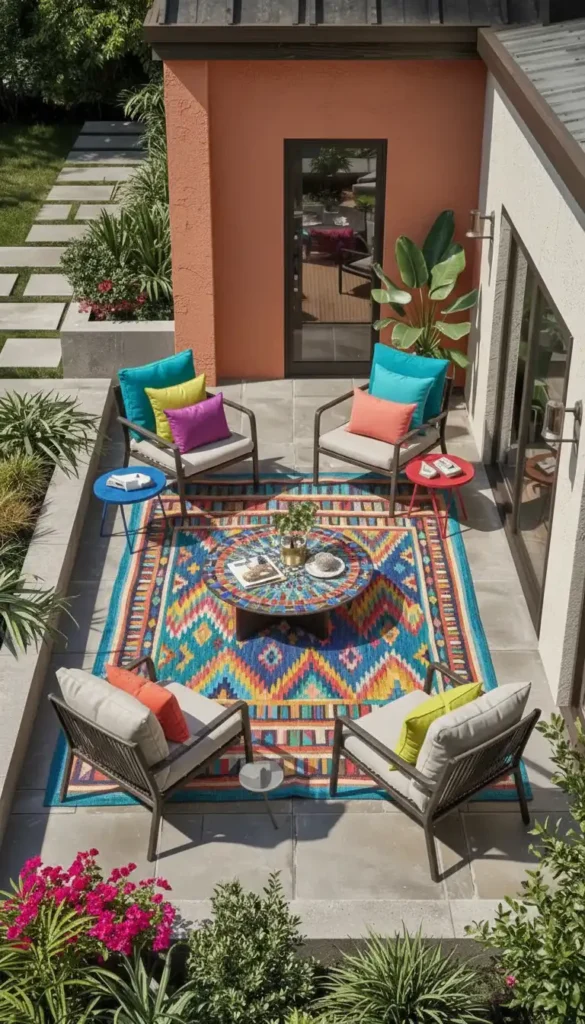
Long, narrow patios need strategic furniture choices to maintain flow.
- Select armless chairs that reduce visual bulk
- Use metal frames that feel sturdy but look lighter than wood
- Avoid deep lounge chairs in narrow layouts—they eat too much space
- Consider benches along one side to maximize seating without width
These choices keep circulation open even in challenging dimensions.
Add Strategic Side Tables
Side tables matter more than most people realize for functional layouts.
- Position one within reach of every seat so nobody drags chairs closer
- Choose nesting tables that tuck away when not needed
- Use drinks-height tables that match chair arm levels for stability
- Select weather-resistant tops that won’t show ring marks
Proper side table placement eliminates the reaching and awkward drink-holding that ruins comfort.
Create Multiple Micro Zones
One big circle of chairs often goes unused because it feels too formal.
- Design two small conversation areas rather than one large ring
- Use a coffee table with four chairs in one zone and a loveseat with side chairs in another
- Keep zones visually connected through matching materials or colors
- Allow flexible movement of lighter chairs between zones as needed
This approach makes larger patios feel more intimate and usable.
Consider Sun And Wind Patterns
The best-positioned furniture gets used; poorly placed seats sit empty.
- Note sun exposure at different times and position shade accordingly
- Angle chairs away from prevailing winds to prevent constant hair-blowing
- Place dining areas where morning sun makes breakfast pleasant
- Position evening seating to catch sunset views
Environmental awareness turns good layouts into great ones.
Save this spacing and flow guide! 📌
Keep Layouts Flexible For Gatherings
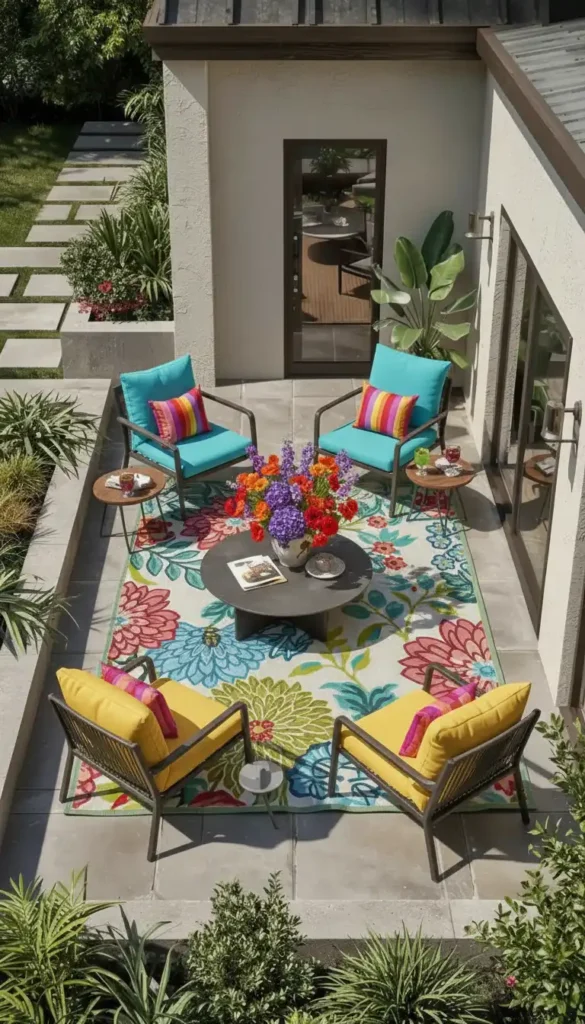
Static arrangements work until you need to accommodate more people.
- Choose at least two lightweight chairs that move easily for extra seating
- Consider folding chairs in matching finishes that store flat
- Use stackable chairs as your base dining set for scalability
- Keep one extra side table tucked away for overflow needs
Flexibility prevents the scramble when guests arrive unexpectedly.
Outdoor Patio Ideas With Chairs That Work In Small Spaces And Apartments
Small patios and balconies demand careful curation where every piece must earn its place. The goal isn’t fitting more furniture—it’s making what you have feel deliberate and luxurious.
Edit Ruthlessly For Maximum Impact
Small spaces fail when we try to cram in too much furniture.
- Start with one purpose: coffee spot, dining nook, or reading corner
- Choose compact shapes with clean lines that don’t visually overwhelm
- Select open-frame chairs that let light and sightlines pass through
- Avoid bulky armrests that add width without adding comfort
Every piece should contribute to the primary function without crowding.
Use Vertical Elements To Create Depth
When floor space is limited, build upward to create room-like boundaries.
- Add tall planters that frame seating without taking floor area
- Install wall-mounted shelves for plants, candles, or small decor
- Use climbing plants on trellises to add greenery vertically
- Hang wall sconces instead of using floor lamps
Vertical layering makes small spaces feel intentional rather than bare.
Choose Slim Lounge Chairs With Deep Seats
The right chair design balances comfort with a small footprint.
- Look for thinner arms that reduce overall width
- Select deeper seats so the chair feels roomy despite compact dimensions
- Choose lower backs that don’t visually dominate the space
- Consider sling-style seats that provide comfort without bulk
This combination delivers relaxation without overwhelming the area.
Make Plastic Work For You
Modern plastic chairs aren’t the temporary-looking options from decades past.
- Choose molded designs with sculptural shapes that look intentional
- Select matte finishes that feel more sophisticated than shiny plastic
- Pick neutral colors like charcoal, white, or soft gray
- Focus on seamless construction without visible joints or hardware
Quality plastic chairs are lightweight, weatherproof, and surprisingly stylish.
Pin this small-space furniture strategy! 📌
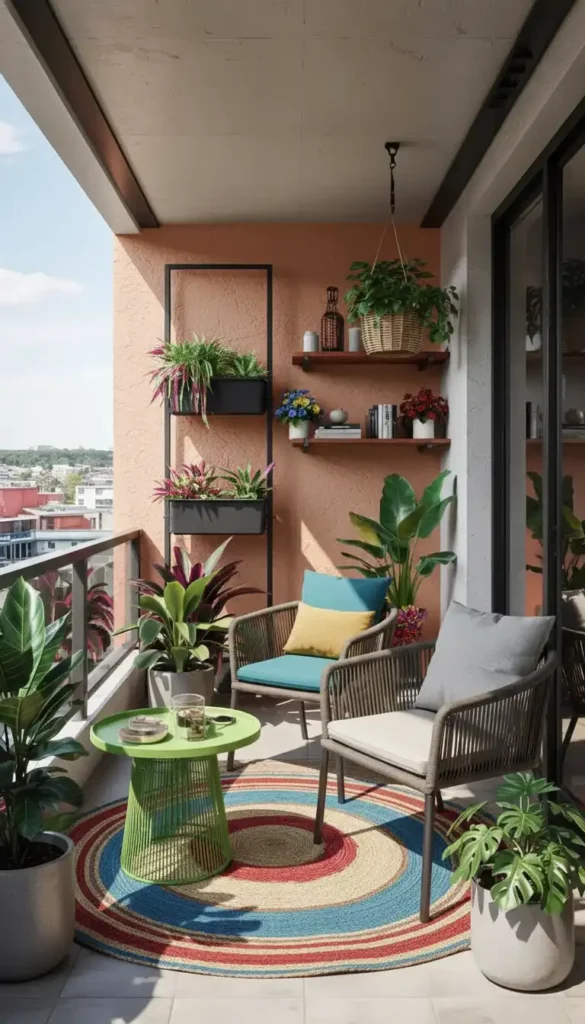
Consider Furniture That Does Double Duty
Multi-functional pieces maximize limited square footage.
- Use storage ottomans that provide seating and hide cushions
- Choose nesting side tables that expand when needed
- Select benches with lift-up seats for hidden storage
- Consider folding chairs that hang on walls when not in use
Every piece that serves two purposes essentially doubles your space.
Add One Statement Piece For Personality
A single distinctive element can make the entire balcony feel curated.
- Choose a sculptural chair with an interesting shape or finish
- Select a bold-colored cushion on otherwise neutral furniture
- Add a unique side table made from unexpected materials
- Include a striking planter that becomes a focal point
This approach creates visual interest without cluttering.
Keep The Color Palette Extremely Simple
Restraint in color makes small spaces feel larger and more cohesive.
- Limit cushions to one or two colors maximum
- Match metal finishes across all furniture pieces
- Use texture for variety through woven materials, not different colors
- Add one accent color through a small throw or single planter
This discipline makes even the smallest balcony look professionally designed.
Explore Hanging Chair Options
Suspended seating frees up valuable floor space while creating drama.
- Install hanging egg chairs where ceiling structure allows
- Use macramé hanging seats for a lighter, more open look
- Choose swing chairs with stands if mounting isn’t possible
- Position hanging chairs in corners to maximize usable floor area
These become instant focal points that solve seating needs without taking floor space.
Save this apartment patio approach! 📌
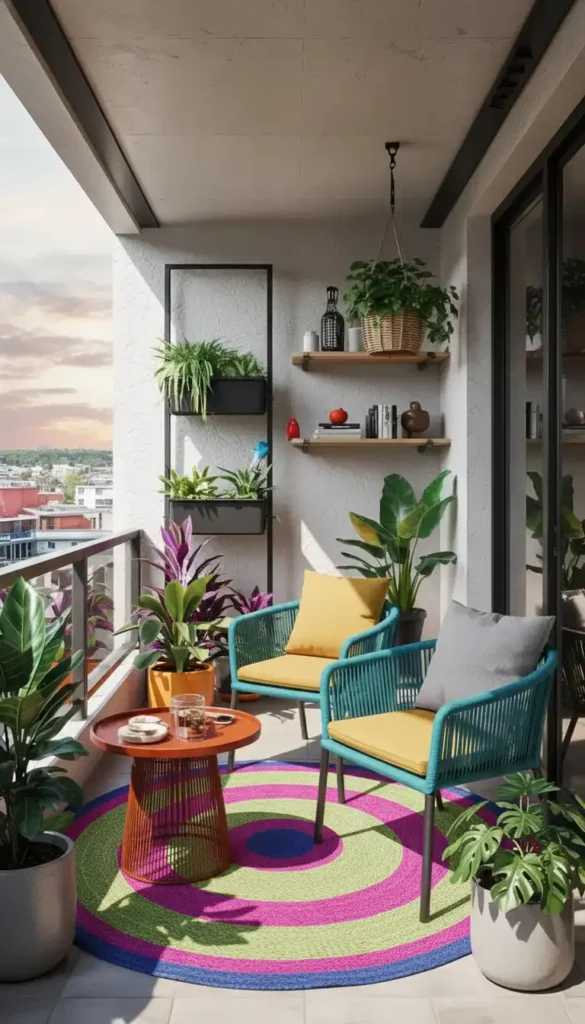
Think About The View From Inside
Your patio furniture should look good from your interior rooms.
- Position best-looking pieces where they’re visible through windows
- Keep the color scheme coordinated with the indoor room it connects to
- Ensure nothing blocks the sightline that would make rooms feel smaller
- Choose furniture that looks intentional even when viewed from inside
When the patio looks good from indoors, it becomes part of your living space year-round.
Protect Surfaces And Reduce Noise
Apartment and condo living requires consideration for floors and neighbors.
- Use felt pads under chair legs to prevent scratching
- Choose rubber bumpers for furniture that moves frequently
- Select lightweight frames that don’t scrape loudly when adjusted
- Consider outdoor rugs that cushion chair movement and reduce sound
These small details prevent damage and maintain good neighbor relationships.
Outdoor Patio Ideas 2 Chairs: The Perfect Mini Set For Coffee, Sunsets, And Chats
A two-chair setup is the simplest path to a functional, inviting outdoor space. This minimal arrangement proves you don’t need elaborate furniture sets to create a patio worth using.
Angle Chairs Toward Each Other
Positioning creates the difference between seating and a conversation nook.
- Place chairs slightly facing inward at about 30-45 degrees
- Keep 3-4 feet between seats for comfortable talking distance
- Orient the pair toward your best view whether that’s a garden or sunset
- Ensure both chairs have equal access to the side table
This arrangement naturally encourages interaction and feels purposeful.
Choose Intentional Matching Pairs
Coordinated chairs look curated, while mismatched options look leftover.
- Buy identical chairs for classic symmetry
- Select the same frame with different cushion colors for subtle variation
- Choose complementary styles from the same collection or material family
- Avoid random combinations that lack visual connection
Even affordable chairs look elevated when they’re obviously meant to be together.
Select The Right Table Size
The table between chairs makes or breaks the functionality.
- Choose 18-24 inch diameter tables for coffee and drinks
- Match table height to chair arms so drinks sit stable
- Select weather-resistant tops that handle condensation
- Consider lower tables for lounging versus standard height for dining-style seating
The right table turns two chairs into a complete, usable set.
Pair Lounge Chairs With Bistro Tables
This combination works beautifully for casual coffee and light meals.
- Use reclined lounge chairs that let you settle in comfortably
- Add a compact bistro table sized for two plates or mugs
- Choose adjustable backs if you want flexibility between sitting and lounging
- Keep cushions supportive rather than too soft for balanced comfort
This setup handles everything from morning coffee to evening wine.
Pin this two-chair setup guide! 📌
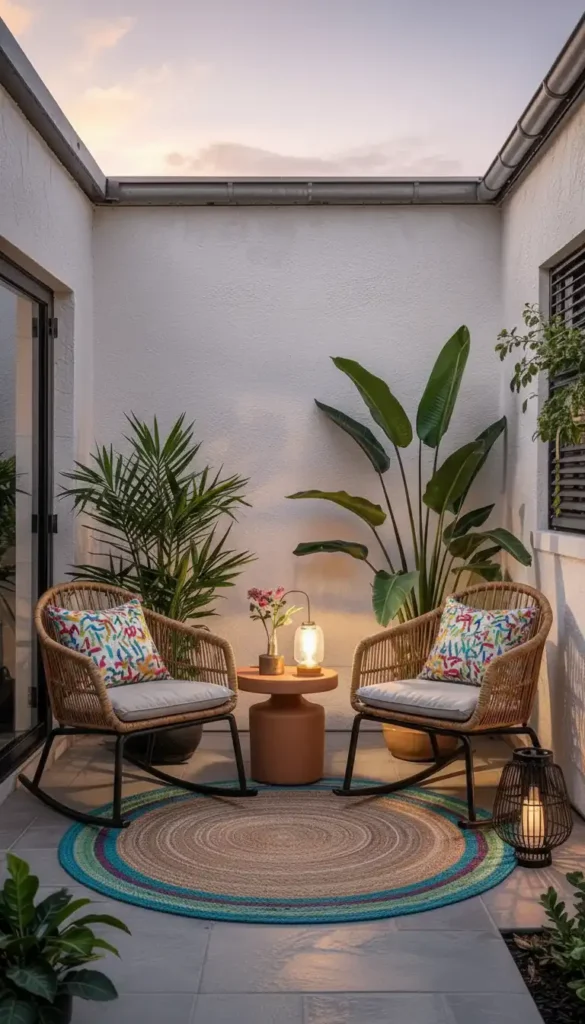
Try Rocking Chairs For Relaxation
Motion adds a comfort dimension that static chairs can’t match.
- Choose modern rocking chairs with clean lines for contemporary patios
- Select weather-resistant rockers designed specifically for outdoor use
- Add crisp cushions to keep the look fresh rather than old-fashioned
- Position rockers on stable surfaces like concrete or composite decking
Rocking chairs work especially well for covered porches and protected patio areas.
Add One Framing Element
A single planter or lantern completes the vignette without crowding.
- Place a tall planter to one side to anchor the arrangement
- Add a lantern between or beside chairs for evening ambiance
- Use a small console table behind the chairs for drinks when standing
- Keep accessories minimal—one thoughtful piece beats three random ones
This restraint makes the setup feel intentional rather than cluttered.
Test Before You Commit To A Full Set
Two chairs let you trial a style before investing in complete furniture.
- Verify the comfort level over several days of actual use
- Test the weather performance through rain and sun exposure
- Confirm the aesthetic works with your home’s exterior
- Scale up to matching pieces once you’re certain of the choice
This approach prevents expensive mistakes with large furniture sets.
Layer In Comfort Details
Small touches elevate a simple pair into a space you crave.
- Add one throw blanket draped over a chair back for warmth and softness
- Use outdoor-rated cushions that feel like indoor quality
- Include a small side tray for phones, books, or snacks
- Consider a compact umbrella or shade sail for midday usability
These details signal that this space is meant for comfort, not just show.
Save this mini patio setup! 📌
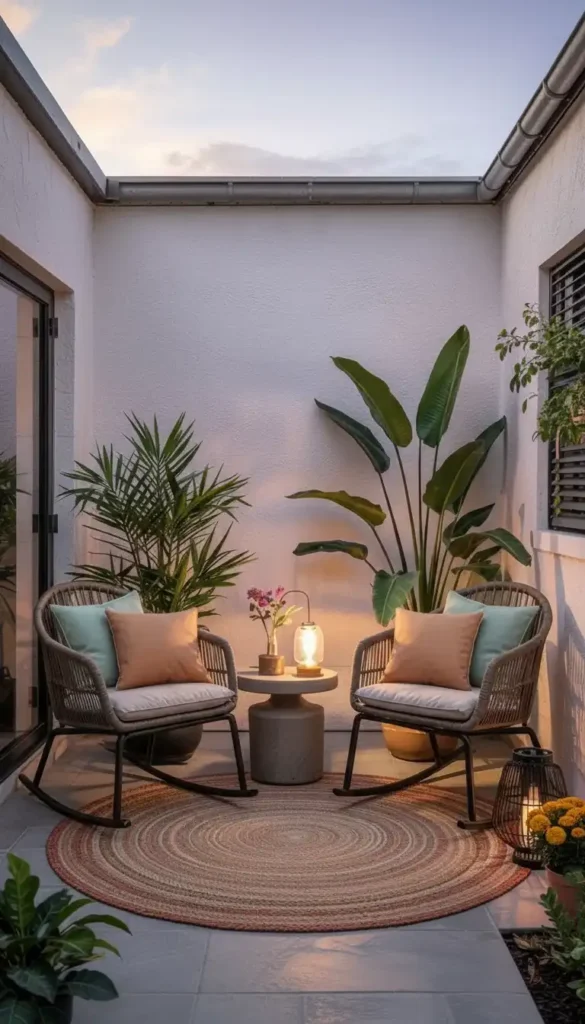
Keep Styling Symmetrical But Not Rigid
Balance without perfection feels more inviting than strict matching.
- Use identical cushions for cohesion
- Vary one accessory like a throw on only one chair
- Keep table styling simple with a single candle or small plant
- Avoid mirror-image arrangements that feel too staged
This approach looks designed without looking stiff.
Outdoor Patio Chairs Backyard Ideas For Flexible Seating In Backyards
Backyards often need to transform from dinner party to fire pit night to quiet reading spot—all in the same week. Flexible seating makes this versatility possible without constant furniture shopping.
Choose Lightweight Frames That Feel Solid
Movable doesn’t have to mean flimsy or cheap-looking.
- Select aluminum frames that combine light weight with durability
- Choose powder-coated finishes that resist scratching during moves
- Look for reinforced joints that stay tight despite regular repositioning
- Avoid ultra-heavy wood unless the chairs will stay permanently in place
Chairs you can actually move get used in more ways throughout the season.
Invest In Stackable Designs
Stackable chairs solve both storage and scalability challenges.
- Choose modern silhouettes so stacked chairs don’t look cheap
- Select smooth finishes that stack without scratching each other
- Look for stable stacking that won’t topple in a storage shed
- Consider stack limits—most chairs safely stack 4-6 high
This flexibility means you’re ready for gatherings without dedicating space to rarely-used furniture.
Repeat One Material Across Zones
Visual unity prevents a backyard from feeling like random furniture landed there.
- Use matching metal frames for patio, fire pit, and garden seating
- Coordinate cushion fabric across all outdoor chairs
- Choose similar wood finishes if mixing materials
- Keep one unifying element even when styles vary slightly
This thread of consistency makes the whole backyard feel designed together.
Pin this flexible backyard seating approach! 📌
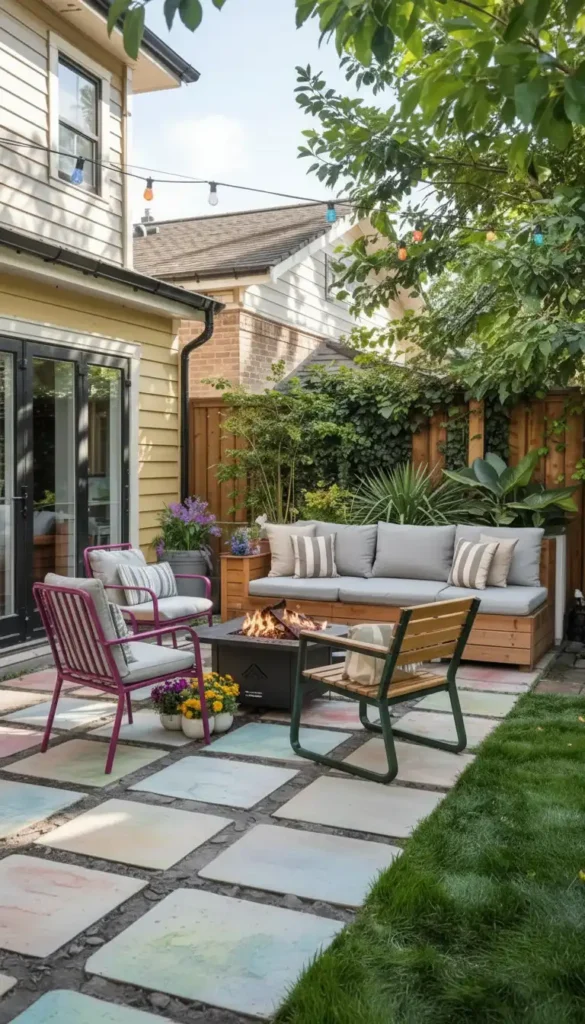
Create Overflow Seating Stations
Strategic furniture placement gives you options without crowding primary areas.
- Position two extra chairs near a side fence or shed
- Place a bench along a garden path that serves as seating when needed
- Add movable stools that work as side tables or extra seats
- Keep folding chairs in matching finishes stored nearby
These secondary spots become reading nooks, quiet corners, or party seating as needed.
Mix Dining And Lounge Heights Strategically
Some chair styles cross categories better than others.
- Choose slightly reclined dining chairs that work at tables but feel comfortable
- Select chairs with arms that function in multiple settings
- Use adjustable-back chairs when flexibility matters most
- Avoid extremely deep lounge chairs that don’t work well for dining
This versatility means fewer total chairs needed to serve multiple purposes.
Plan Storage From The Beginning
Movable furniture needs somewhere to go during bad weather or off-season.
- Install a slim deck box sized for cushions and small chairs
- Use a covered bench that doubles as seating and storage
- Designate shed space with measured dimensions for stacked chairs
- Consider furniture covers for pieces that stay outside year-round
When storage is convenient, you’ll actually use it instead of letting furniture deteriorate.
Choose Quick-Dry Cushion Fabrics
Backyard furniture gets caught in unexpected rain more often than covered patios.
- Select mesh-backed cushions that drain and dry quickly
- Choose Sunbrella or similar outdoor-rated fabrics designed for exposure
- Look for removable covers you can throw in the washer
- Consider foam cores that resist mold and dry fast
Quick-drying materials mean your backyard stays usable after every rainstorm.
Save this backyard flexibility strategy! 📌
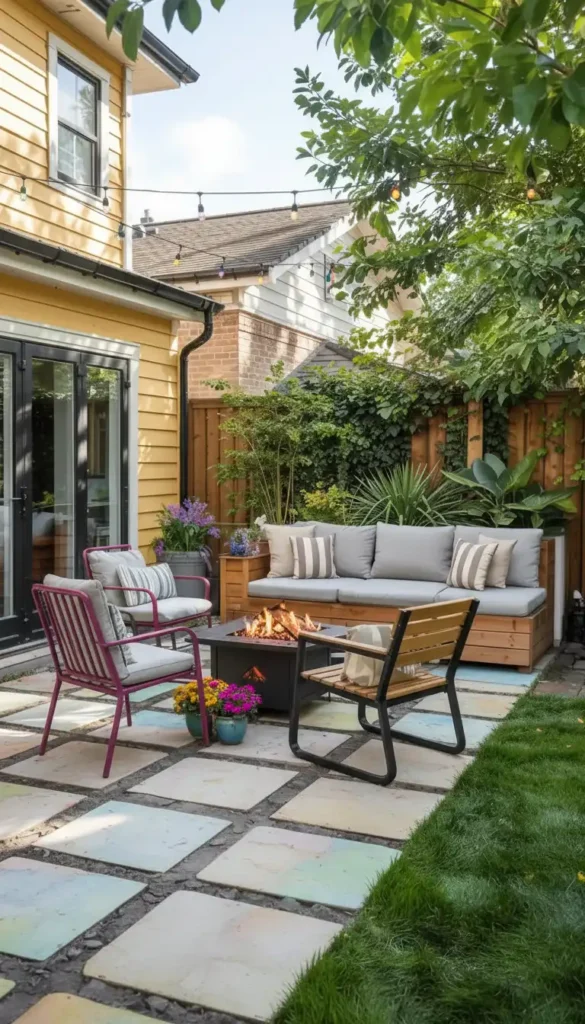
Keep The Base Plan Simple
Complexity prevents the natural rearranging that makes backyards functional.
- Maintain a core dining set that rarely moves
- Add 4-6 lightweight chairs that shift based on needs
- Include one or two accent pieces like a hanging chair or bench
- Resist filling every corner with permanent furniture
This foundation lets you adapt the space without starting from scratch each time.
Use Furniture Glides On Grass
Movable chairs on grass need protection to stay stable.
- Install wide glides that distribute weight and prevent sinking
- Choose flat bases rather than narrow legs for grass placement
- Consider gravel or paver pads where chairs frequently sit
- Rotate cushions regularly so sun fading stays even
These details keep furniture functional and looking good longer despite flexible placement.
Conclusion
Your outdoor space deserves the same thoughtfulness you give to any room in your home, and it starts with chairs that actually work for how you live. Whether you’re designing a small balcony or a sprawling backyard, the principles stay the same: choose comfort, plan for real use, and create layouts that flow naturally. The difference between a patio you ignore and one you use daily often comes down to these intentional choices.
Take what resonates from these ideas and start with one change—maybe it’s finally getting chairs that face the right direction, or adding that missing side table, or simplifying down to a perfect two-chair setup. Small shifts in how you think about outdoor seating create spaces that pull you outside instead of ones you walk past. Your patio is waiting to become the room you didn’t know you were missing.

“I share simple, beautiful and affordable home decor ideas to help you style every corner of your home with ease.