
The space behind your sofa often feels like forgotten territory a no man’s-land between your seating and the wall that either sits empty or becomes a dumping ground for clutter. But what if that overlooked area could become one of the most intentional, beautiful parts of your living room? A well-chosen sofa table transforms awkward empty space into a functional design statement that anchors your seating area, provides storage you didn’t know you needed, and creates visual balance that makes the entire room feel complete.
By 2026, sofa tables have evolved far beyond simple decorative surfaces. They’re architectural elements that solve real problems—managing lighting in open floor plans, defining zones in large rooms, hiding charging cables, and creating display opportunities that feel curated rather than cluttered. Whether you’re working with a compact corner arrangement, a floating sofa in a spacious hall, or a traditional setup against a wall, the right sofa table design brings purpose, personality, and polish to your living space. This guide walks you through five essential approaches that address storage, proportions, materials, and styling so your sofa table looks like it was always meant to be there.
Sofa Table Design 2026 Trends For Modern Living Rooms
Sofa tables in 2026 function as architectural features rather than afterthought accessories, defining spaces and solving circulation challenges while enhancing the overall room design. The most successful trends prioritize clean profiles, intentional proportions, and designs that complement room geometry whether working with square, rectangular, or round furniture arrangements. These tables create independent zones in open layouts while maintaining visual flow.
Designing With Circulation in Mind
The foundation of effective sofa table placement starts with traffic patterns and sightlines. Consider how people move through the space before committing to dimensions.
- Maintain 30-36 inches of clearance behind the sofa for comfortable walking paths
- Ensure the table doesn’t block access to windows or architectural features
- Test the placement by walking around the sofa from multiple directions
- Consider views from entry points—the table should complete the composition from all angles
Proportions That Feel Modern and Balanced
The relationship between your sofa length and table width determines whether the setup feels intentional or awkward. Modern proportions favor restraint over matching lengths exactly.
- Two-thirds rule: Size the table at approximately 60-70% of sofa length for contemporary look
- Avoid tables that exactly match sofa width—they feel dated and heavy
- For sectionals, measure the longest straight section as your reference point
- Leave 6-12 inches of visual breathing room on each side of the table
Combining Slender Tables With Layered Lighting
One of 2026’s defining trends pairs narrow-profile sofa tables with stacked lighting that creates an independent zone behind the seating area.
- Use table lamps in pairs for symmetrical arrangements
- Choose lamps with sculptural bases that add vertical interest
- Layer ambient lighting with task lighting for flexibility
- Consider slim LED table lamps that minimize the footprint while maximizing light
Pin this modern sofa table proportion guide! 📌
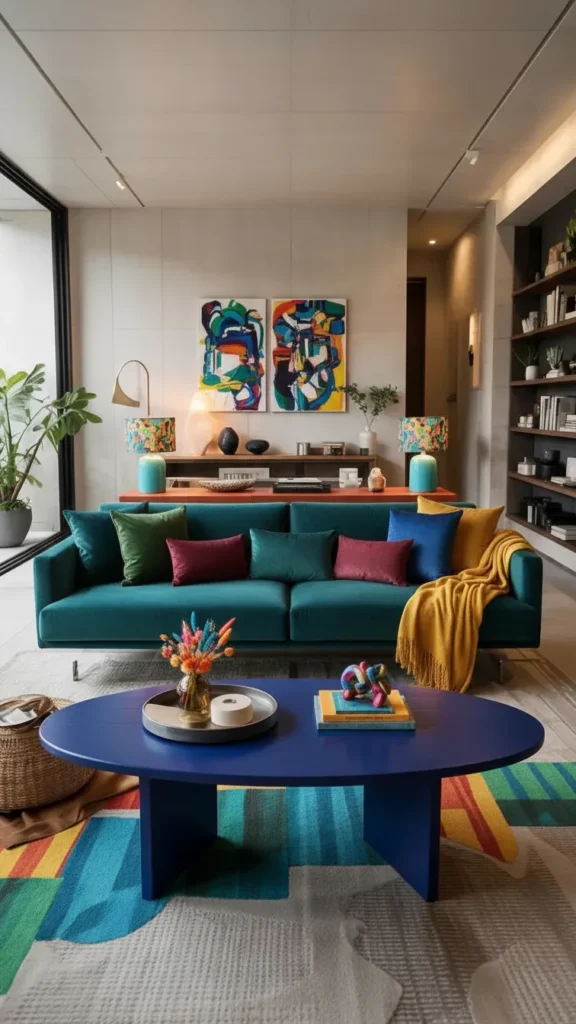
Material Mixing for Visual Interest
Combining wood and metal creates contrast that feels especially effective when surrounding furniture leans soft and upholstered. This material tension prevents rooms from feeling too uniform.
- Pair warm wood tops with matte black or brushed brass metal bases
- Use glass elements to lighten visual weight in smaller spaces
- Choose metal finishes that echo other hardware in the room
- Consider stone or marble tops for luxury interiors with durable surfaces
Functional Storage That Maintains Clean Lines
Modern sofa tables succeed when they offer discreet storage without appearing bulky. Small drawers and lower shelves handle everyday items while keeping surfaces serene.
- One or two shallow drawers store remotes, chargers, and small essentials
- Lower shelves accommodate decorative baskets that hide miscellaneous items
- Open shelving works when styled intentionally with matching containers
- Closed storage maintains minimalist aesthetics in high-visibility areas
Creating Visual Connections Across the Room
Sofa tables work as style connectors, bridging the seating area with the rest of the living space through repeated finishes and coordinated details.
- Repeat metal finishes at least twice—table hardware, lamp bases, or picture frames
- Echo wood tones from the table in other furniture pieces or flooring
- Use the table to introduce accent colors that appear elsewhere in textiles
- Maintain consistency in style language (modern, traditional, transitional)
Surface Styling That Stays Practical
The most successful sofa table tops balance visual appeal with daily usability. Avoid overly delicate arrangements that require constant adjustment.
- Use a tray to corral smaller items and manage visual noise
- Add one vertical element (branches, tall vase, or lamp) for height variation
- Limit surface items to 3-5 pieces to prevent cluttered appearance
- Choose sturdy decor that won’t topple easily in active households
Save this sofa table styling strategy! 📌
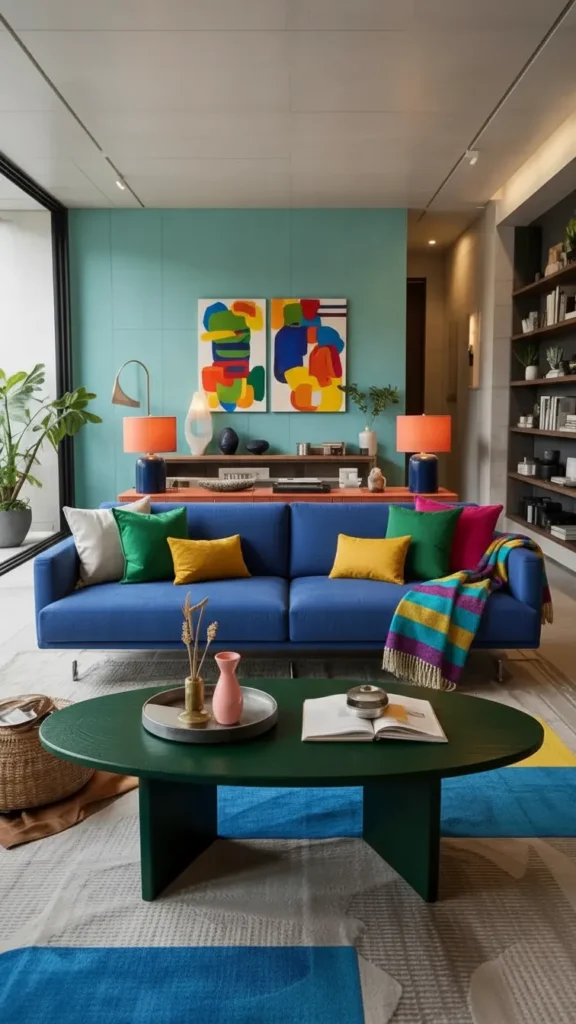
Height Considerations for Easy Access
The ideal sofa table height relates directly to your sofa back height, ensuring you can comfortably reach items without awkward stretching.
- Standard sofa table height ranges from 26-36 inches
- Measure from floor to top of sofa back, then match or go 1-2 inches lower
- Counter-height tables (36 inches) work behind low-profile modern sofas
- Test the height by placing a temporary surface and reaching for imaginary objects
Cable Management Solutions
Modern living requires charging stations and lamp cords, which means planning for cable organization from the beginning prevents visual chaos.
- Install power strips with surge protection inside table drawers
- Use adhesive cable clips under the tabletop to route cords neatly
- Choose tables with built-in cable management grommets when possible
- Consider cordless table lamps with rechargeable batteries for ultimate flexibility
Measuring Checklist Before Purchase
Taking accurate measurements prevents costly mistakes and ensures your sofa table integrates seamlessly into the available space.
- Measure sofa length, depth, and back height
- Note distance from sofa back to wall (minimum 12 inches for table placement)
- Account for baseboard depth in tight spaces
- Measure ceiling height if using tall lamps on the table
- Check door clearances for furniture delivery
The sofa table’s role in 2026 extends beyond decoration—it’s a problem-solving piece that defines zones, manages technology, and creates architectural impact in modern living rooms. Success comes from balancing proportion, function, and intentional styling.
Modern Sofa Table Designs That Elevate Interior Style
Modern sofa tables distinguish themselves through powerful silhouettes and refined details rather than ornate embellishments. The most effective designs feature sharp lines and narrow foundations that create a gallery-like feeling, particularly powerful when the sofa floats in the center of the room. These pieces work especially well in open-concept spaces where the table remains visible from multiple vantage points and entry areas.
The Power of Architectural Silhouettes
Modern design emphasizes form as much as function, with the table’s profile making a statement before you even notice the styling.
- Floating tops create visual lightness by appearing to hover above the base
- Cantilever designs eliminate visible support on one side for dramatic effect
- Geometric bases in sculptural forms become focal points themselves
- Minimal ornamentation keeps attention on proportion and material quality
Material Selection for Modern Aesthetics
High-quality materials and thoughtful finishes define modern sofa tables more than decorative details. The right material choice transforms a simple form into a sophisticated statement.
- Matte wood with subtle grain patterns reads contemporary without feeling cold
- Glass or pale stone-like surfaces create contrast in warm-toned rooms
- Polished concrete tops offer industrial edge in urban interiors
- Lacquered finishes in neutral colors provide smooth, reflective surfaces
Hidden Storage for Clean Compositions
Family rooms benefit from at least one concealed storage compartment, ensuring the table maintains its uncluttered modern appearance despite daily use.
- Drawers with push-to-open mechanisms eliminate visible hardware
- Flip-top sections hide charging stations and cord storage
- Removable trays create customizable interior organization
- Lower cabinets with frosted glass doors display while concealing contents
Pin this modern material selection guide! 📌
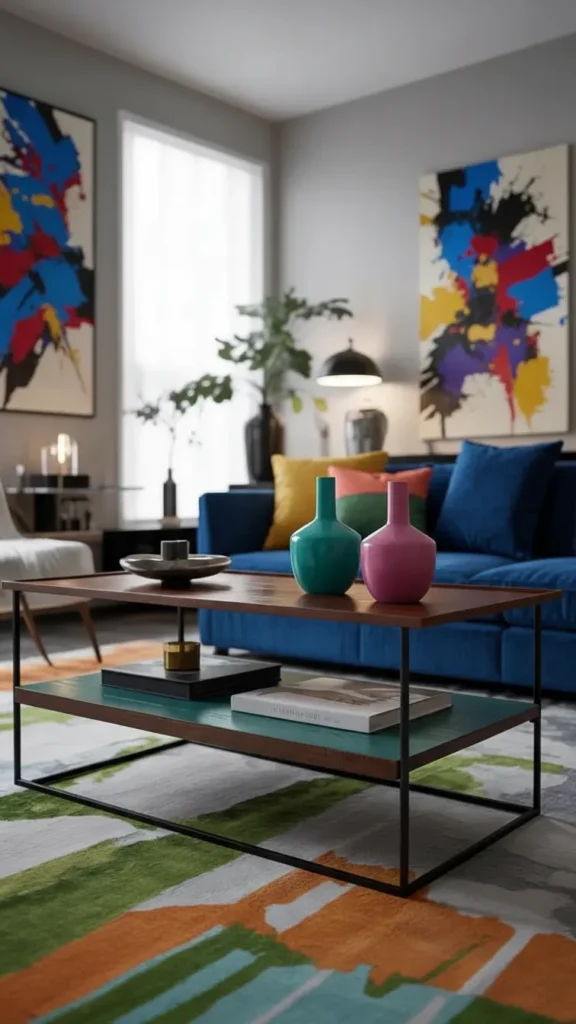
Narrow Foundations in Open Floor Plans
Slim-profile tables work particularly well for defining zones in large open spaces without requiring walls or dividers.
- Depths of 10-14 inches provide function without blocking sightlines
- Narrow tables allow comfortable circulation in multi-use areas
- Open bases prevent the visual weight that makes rooms feel crowded
- Metal framework creates structure without solidity
Styling With Intentional Negative Space
Modern style requires breathing room, which means editing surface styling to essential elements and embracing empty space as design.
- Limit decorative items to three sculptural pieces maximum
- Include one practical element like a beautiful catchall or tray
- Add one softening element such as a small potted plant
- Leave at least 40% of the surface completely clear
Window Proximity Considerations
When the sofa table sits near windows, styling must account for natural light flow and avoid blocking desirable illumination.
- Use low, wide arrangements rather than tall vertical elements
- Choose translucent materials (glass vases, acrylic frames) that don’t obstruct light
- Position lamps to sides rather than center when near window openings
- Consider how shadows fall at different times of day
Wall Treatment Behind the Table
The wall above your sofa table significantly impacts the overall composition and determines appropriate styling approaches.
- Large-scale art creates drama and anchors the arrangement
- Oversized mirrors reflect light and expand perceived space
- Clean walls emphasize the table’s form and surface styling
- Gallery walls work when table styling remains minimal
Save this modern styling approach! 📌
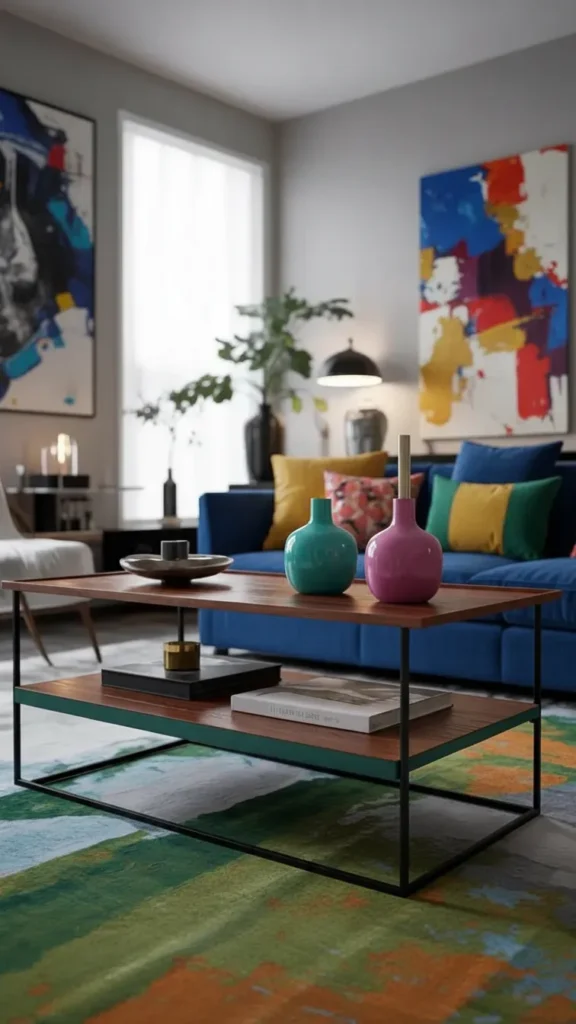
Balancing Scale in Long Tables
Longer sofa tables require careful decor scale to prevent items from appearing insignificant against the expanse of surface.
- Group smaller items in clusters rather than spacing them evenly
- Use larger-scale objects (12+ inches tall) to hold visual weight
- Create odd-numbered groupings (3, 5, or 7 items) for dynamic arrangements
- Anchor ends with substantial pieces, leaving the center lighter
Finish Durability in High-Traffic Homes
High-gloss contemporary pieces show fingerprints, water rings, and dust more readily than matte alternatives, which matters in busy households.
- Matte or satin finishes hide imperfections better than polished surfaces
- Sealed wood requires less maintenance than untreated materials
- Powder-coated metal resists scratches and fingerprints
- Consider protective glass tops over delicate finishes for added durability
Creating Visual Continuity
Modern sofa tables should feel like intentional parts of the room’s design language rather than standalone additions.
- Echo the table’s metal finish in lighting fixtures or hardware
- Repeat geometric shapes from the base in other furniture pieces
- Coordinate the table’s color temperature (warm/cool) with dominant room tones
- Ensure the design style matches the formality level of surrounding furniture
Modern sofa table design succeeds through restraint, quality materials, and thoughtful integration with the room’s architecture. The goal is creating impact through refined simplicity rather than decorative excess.
Sofa Table Design Ideas For Stylish Living Rooms
Stylish sofa tables begin with a clear understanding of whether the piece should blend seamlessly into the room or serve as a deliberate highlight. The most effective designs balance proportion and placement, creating visual interest without overwhelming the space. Well-proportioned tables feel intentional regardless of whether they’re supporting roles in small living rooms or commanding attention in grand open layouts.
Determining Table Purpose and Presence
Before selecting a specific design, clarify the table’s primary function in your room composition. This decision guides every subsequent choice from size to styling.
- Blending approach: Matches existing finishes and maintains low visual profile
- Highlighting approach: Contrasts with surroundings through material, color, or form
- Transitional function: Bridges different design styles present in the room
- Practical priority: Emphasizes storage and function over decorative impact
Slim Tables for Space-Conscious Rooms
In smaller living rooms, narrow sofa tables delineate the seating area without consuming precious floor space or creating cramped circulation.
- Tables 8-12 inches deep provide function while preserving openness
- Wall-mounted floating designs maximize floor visibility
- Choose tables with open bases to maintain visual flow
- Consider nesting tables that tuck away when not needed
Supporting Role Behind TV Walls
When the sofa faces a television wall, the table transforms into a behind-the-scenes assistant, managing lighting and subtle ornamentation without competing for attention.
- Keep heights low to avoid blocking screen views from certain angles
- Use the table for ambient lighting that reduces eye strain during viewing
- Style minimally to avoid visual distraction from the TV area
- Store remote controls and accessories in discreet table drawers
Pin this table placement strategy! 📌
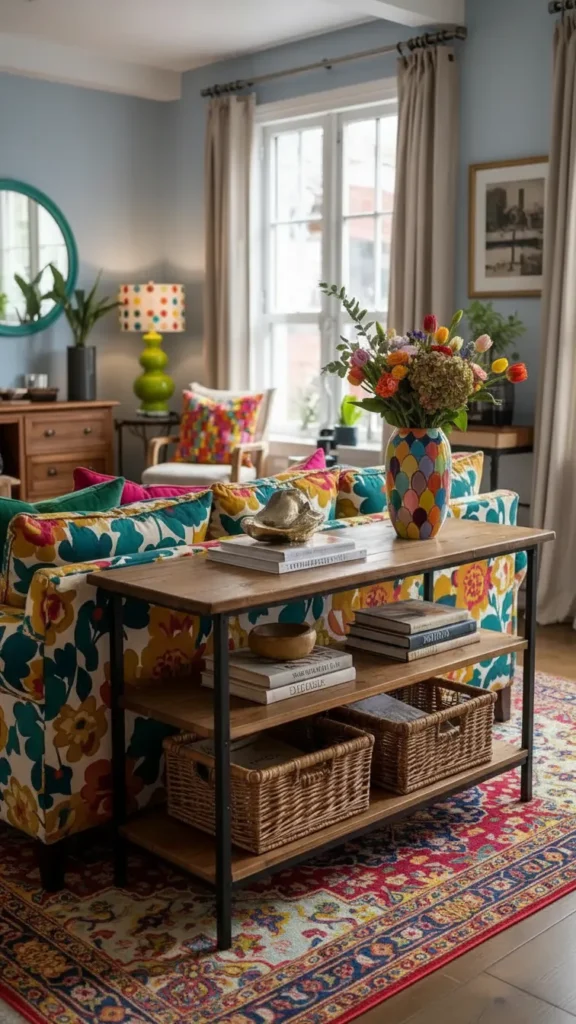
First Impression Focal Points
In rooms where the sofa has open space behind it and faces the entry, the table contributes significantly to guests’ first impressions.
- Invest in quality materials and finishes for high-visibility placements
- Create symmetrical arrangements for formal, welcoming compositions
- Use distinctive styling that reflects your personal aesthetic
- Ensure the table finish complements rather than clashes with the sofa fabric
Texture Mixing for Dimensional Interest
Combining different materials prevents the table from feeling flat, particularly important in neutral-palette rooms where color contrast is limited.
- Wood tops with metal bases create classic textural contrast
- Add a soft runner to prevent small items from scattering
- Use textured trays (woven, ceramic, or stone) to add visual interest
- Layer smooth and rough surfaces for tactile variety
Corner Arrangement Solutions
Corner sofa configurations benefit from shorter tables paired with complementary elements that acknowledge the angle change.
- Use a shorter table along the longest straight section
- Add a small pedestal or plant stand at the corner junction
- Ensure the table doesn’t extend into the turning area
- Consider L-shaped custom tables for perfect corner integration
Floating Sofa Considerations
When the sofa sits away from walls, the table requires finished backs and thoughtful styling that looks complete from all viewing angles.
- Choose tables with four-sided finished construction
- Add lower shelves for baskets that look attractive from behind
- Avoid cord clutter by using battery-powered lamps or concealed outlets
- Style both sides of the table for 360-degree appeal
Save this floating sofa table guide! 📌
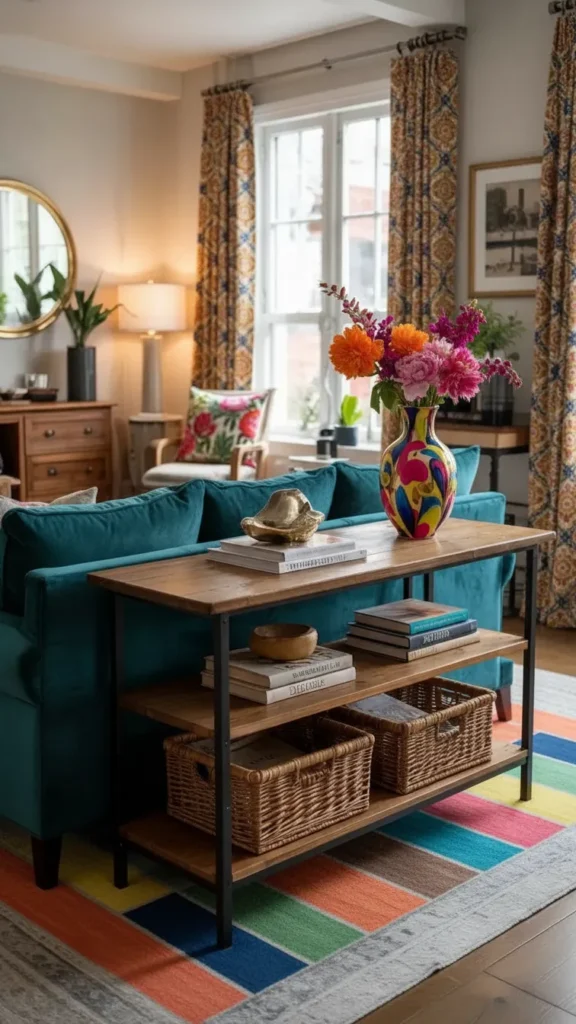
Every Surface Needs Purpose
Successful styling means each visible item serves a clear function, whether practical, aesthetic, or emotional.
- Include a lamp for functional lighting and ambient warmth
- Add 1-2 items that reinforce the room’s color story
- Incorporate one personal object that has meaning
- Stop adding when the surface feels balanced—less is often more
Adapting to Room Pattern Levels
The table’s finish and styling should respond to the visual complexity already present in the room’s textiles and surfaces.
- In pattern-heavy rooms, choose solid, calm table finishes
- In neutral rooms, the table can introduce material or color interest
- Bold upholstery pairs well with simple table styling
- Quiet rooms accommodate more complex table designs
Coordinating With Lighting Temperature
The table’s materials and styling should harmonize with the room’s lighting warmth to create cohesive ambiance.
- Warm-toned lighting pairs beautifully with wood tables and amber glass
- Cool lighting complements metal, glass, and stone materials
- Mixed lighting temperatures require careful material selection
- Adjustable lighting offers flexibility as styling evolves
Child-Friendly Styling Approaches
Families with young children need stable, safe table setups that minimize sharp objects and breakable items.
- Choose tables with rounded edges rather than sharp corners
- Use heavy, stable bases that won’t tip easily
- Avoid fragile glass or ceramic decor on table surfaces
- Select closed storage for items you don’t want handled
Rug Coordination and Wall Distance
The relationship between sofa table placement, area rug size, and wall proximity affects the entire room’s visual balance.
- Ensure area rugs extend at least 6 inches beyond the table on each side
- Maintain 12-18 inches between table back and wall for visual breathing room
- Consider rug pile height—low-pile works better in tighter spaces
- Use rug placement to visually anchor the sofa and table as a unit
Stylish sofa tables enhance living rooms by solving specific design challenges while maintaining visual harmony. The key lies in understanding your space’s needs and selecting solutions that feel both intentional and effortless.
Modern Luxury Sofa Table Design For Elegant Homes
Luxury sofa table design revolves around exceptional craftsmanship and intentional restraint rather than ornate decoration. The most successful pieces feel substantial and serene, featuring heavier tops, sculptural bases, and polished finishes that signal quality through material excellence and precise proportions. In elegant homes, these tables occupy prominent visual pathways, which means every detail matters and generous circulation space prevents crowded compositions.
Material Excellence as Luxury Foundation
The materials you choose communicate luxury more effectively than any amount of decorative detail. Select finishes that appear rich in both natural light and evening illumination.
- Natural stone tops (marble, granite, or quartzite) provide timeless elegance
- Rich wood tones in walnut, mahogany, or ebonized oak add warmth
- Metal accents in brushed brass or polished nickel create refined contrast
- High-gloss lacquer finishes reflect light beautifully in formal settings
The Power of Substantial Proportions
Luxury tables avoid the delicate or spindly, instead embracing presence through appropriate weight and scale that commands attention.
- Thicker tops (1.5-3 inches) feel more substantial than standard 0.75-inch surfaces
- Solid construction without visible joints or seams
- Bases with architectural integrity rather than utilitarian simplicity
- Overall dimensions that relate proportionally to the sofa and room size
Sculptural Base Designs
The table base becomes a design statement in luxury interiors, often featuring curves, interesting geometry, or artistic metalwork.
- Curved metal bases in brass or bronze add organic elegance
- Geometric patterns create visual interest while maintaining clean lines
- Hand-forged iron bases offer artisanal character
- Mixed materials (wood pedestals with metal stretchers) add complexity
Pin this luxury material selection guide! 📌
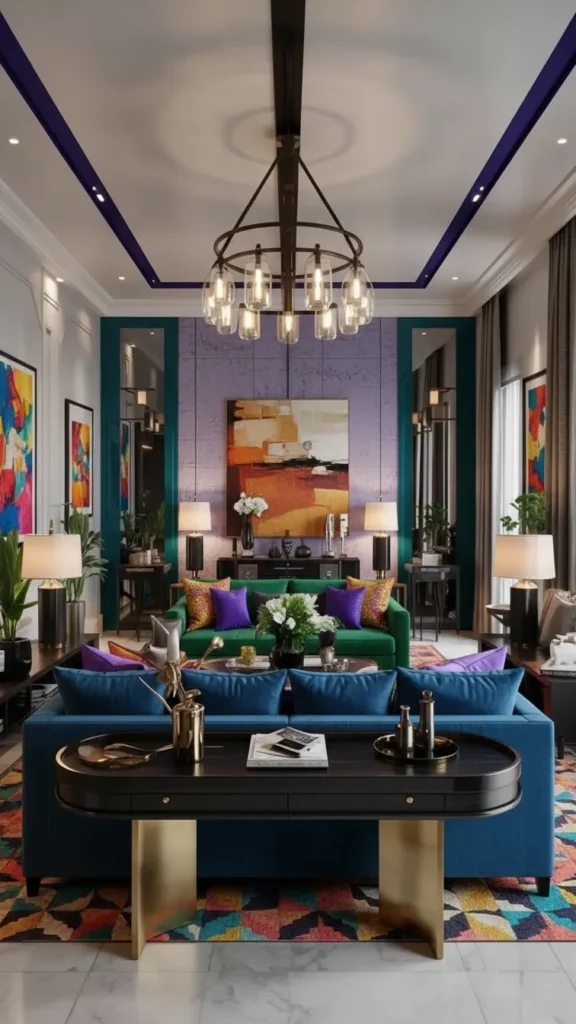
Finish Selection for Day and Night Appeal
Luxury finishes must perform beautifully under various lighting conditions, from bright afternoon sun to soft evening lamplight.
- Test materials in your actual space at different times of day
- Choose finishes with depth that reveal nuance under changing light
- Avoid materials that appear cheap or plasticky under certain illumination
- Consider how finishes age—some materials gain character over time
Repeated Black Accents for Sophistication
Strategic repetition of black elements creates visual rhythm and sophisticated contrast in luxury interiors.
- Match table hardware to lighting fixtures in matte black
- Echo black window frames with black metal table bases
- Use black picture frames to tie the table area to gallery walls
- Limit black accents to 3-5 instances for impact without heaviness
Symmetrical Versus Asymmetrical Styling
The room’s formality level determines whether table styling should mirror itself or embrace intentional imbalance.
- Formal rooms benefit from matching pairs (lamps, vases, or accessories)
- Modern luxury accommodates asymmetry with equal visual weight
- Symmetrical arrangements feel traditional and purposeful
- Asymmetrical styling appears more collected and personal
Layered Lighting Plans
High-end interiors use sofa tables as platforms for sophisticated lighting that creates ambiance and highlights the table’s materials.
- Table lamps with fabric shades create soft, flattering pools of light
- Choose warm color temperatures (2700-3000K) for inviting glow
- Avoid harsh exposed bulbs that create unflattering shadows
- Consider three-way bulbs for adjustable lighting levels
Save this luxury lighting strategy! 📌
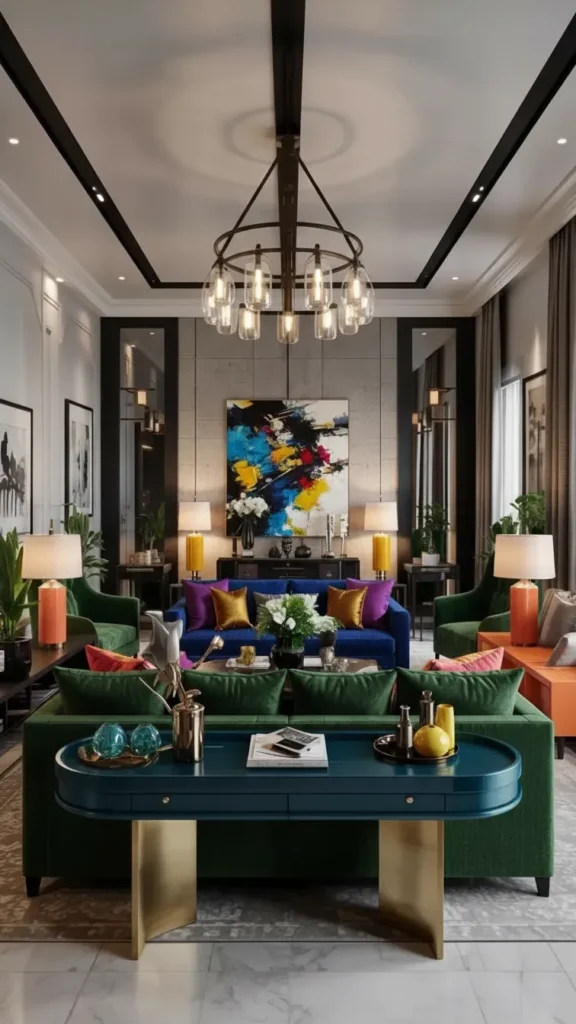
Hidden Functional Elements
Luxury appearance depends on concealing practical necessities while maintaining complete functionality.
- Integrate small drawer compartments for keys and remotes
- Include discreet charging stations inside drawer compartments
- Use felt-lined interior organization to prevent noise and protect contents
- Add cable management systems that keep cords completely invisible
Circulation Generosity
Luxury spaces feel open and unencumbered, which requires planning for ample clearances around furniture.
- Maintain 42-48 inches of space behind the sofa for gracious movement
- Ensure table placement doesn’t impede natural traffic flow
- Leave visual breathing room between the table and adjacent furniture
- Consider how the space functions during entertaining with multiple guests
Surface Protection Without Compromise
Protecting valuable table finishes while maintaining elegance requires thoughtful accessory choices.
- Use felt pads under all decorative objects to prevent scratching
- Choose coasters that complement the table’s aesthetic
- Apply protective wax or sealant to wood surfaces per manufacturer recommendations
- Consider custom glass tops that protect while showcasing beautiful materials beneath
Avoiding Common Luxury Mistakes
Even expensive materials can appear mismatched when finishes clash or proportions feel wrong.
- Don’t mix metal finishes haphazardly—choose one primary tone
- Avoid tables that are too small for the sofa they’re paired with
- Skip trendy finishes that may date the expensive investment
- Ensure lighting temperature complements rather than clashes with finishes
Custom Sizing for Oversized Furniture
When standard table lengths don’t accommodate extra-long sofas or sectionals, custom fabrication ensures proper proportions.
- Work with local craftspeople for unique dimensions
- Specify exact measurements based on your sofa length
- Consider matching the table finish to existing furniture
- Budget for higher costs but perfect results
Luxury sofa table design succeeds when superior materials meet impeccable proportions and thoughtful integration. The goal is creating pieces that enhance daily life while elevating the room’s overall elegance.
Wooden Sofa Table Design With Timeless Appeal
Wooden sofa tables bring unmatched warmth and organic depth to living rooms, grounding upholstered furniture and textiles with natural material beauty. Wood introduces sophistication without coldness, particularly effective in neutral-toned spaces where the grain patterns and natural variations add visual interest. The trend toward matte finishes and visible natural grain in 2026 creates modern appeal while maintaining the comfort and approachability that makes wood endlessly versatile.
Understanding Wood as a Design Connector
Wooden tables excel at creating visual relationships between the seating area and other wood elements throughout the room.
- Echo wood flooring tones for cohesive flow
- Match or complement existing wood furniture pieces
- Bridge wood window frames or built-in shelving
- Introduce wood warmth into rooms dominated by upholstery
Grain Pattern Selection and Impact
The scale and character of wood grain dramatically affects whether the table reads modern or traditional.
- Subtle, tight grain (maple, birch) appears contemporary and refined
- Bold, pronounced grain (oak, ash) adds rustic character and visual movement
- Linear grain patterns create calm, horizontal emphasis
- Varied grain (walnut, cherry) provides organic interest
Modern Versus Traditional Wood Finishes
Finish selection determines whether your wooden table feels current or classic, with matte surfaces dominating contemporary design.
- Matte or satin finishes read as modern and sophisticated
- High-gloss finishes appear more traditional and formal
- Natural oils enhance grain while maintaining low sheen
- Waxed finishes offer subtle protection with beautiful depth
Pin this wood selection guide! 📌
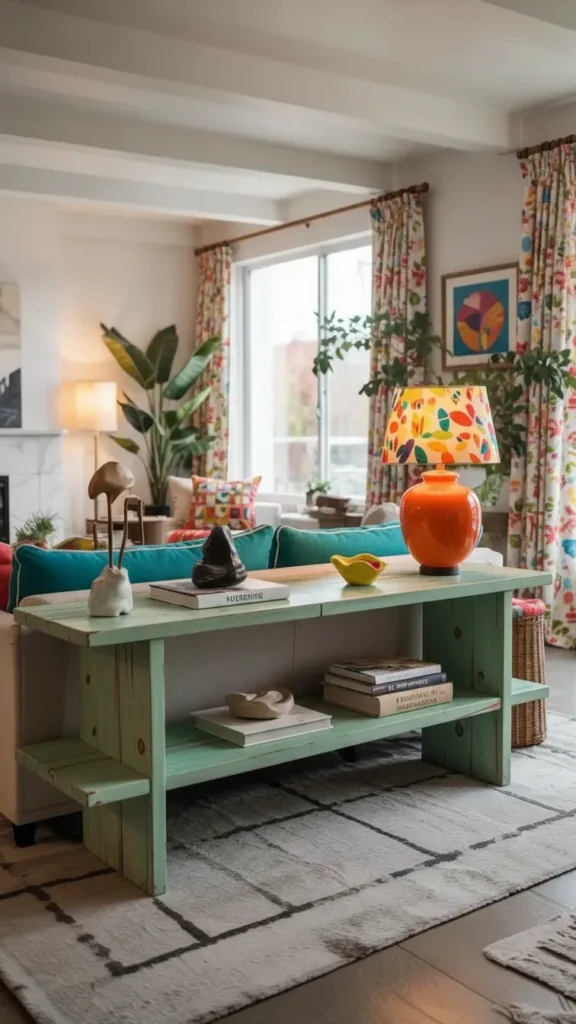
Durability Considerations for High-Use Areas
When the table sits behind frequently-used seating, choose finishes and edge profiles that age gracefully with normal wear.
- Hardwoods (oak, maple, walnut) resist denting better than softwoods
- Sealed finishes protect against water rings and spills
- Slightly rounded edges hide small dings better than sharp corners
- Factory-finished tables often offer superior durability to field-applied finishes
Mixing Wood With Other Materials
Pure wood tables can feel heavy or dated; strategic material mixing creates contemporary appeal.
- Wood tops with iron bases provide industrial-modern contrast
- Wood and glass combinations feel lighter and more open
- Metal hardware or accents update traditional wood forms
- Plywood structural elements offer affordability without sacrificing style
Wood Tone Coordination Strategies
Matching wood tones throughout a room can feel overly coordinated; modern interiors embrace thoughtful variation.
- Vary wood tones by 1-2 shades rather than exact matching
- Mix warm and cool wood undertones for dimensional interest
- Repeat the dominant wood tone in 2-3 places for cohesion
- Use the same wood species in different finishes for subtle connection
Maintenance and Aging Characteristics
Wood’s greatest advantage is how beautifully it ages when properly maintained, with character developing over years.
- Light surface scratches often blend into grain patterns
- Fingerprints and dust show less on matte wood than glossy surfaces
- Natural oils can be reapplied to refresh appearance
- Minor marks contribute to patina rather than looking damaged
Save this wood maintenance approach! 📌
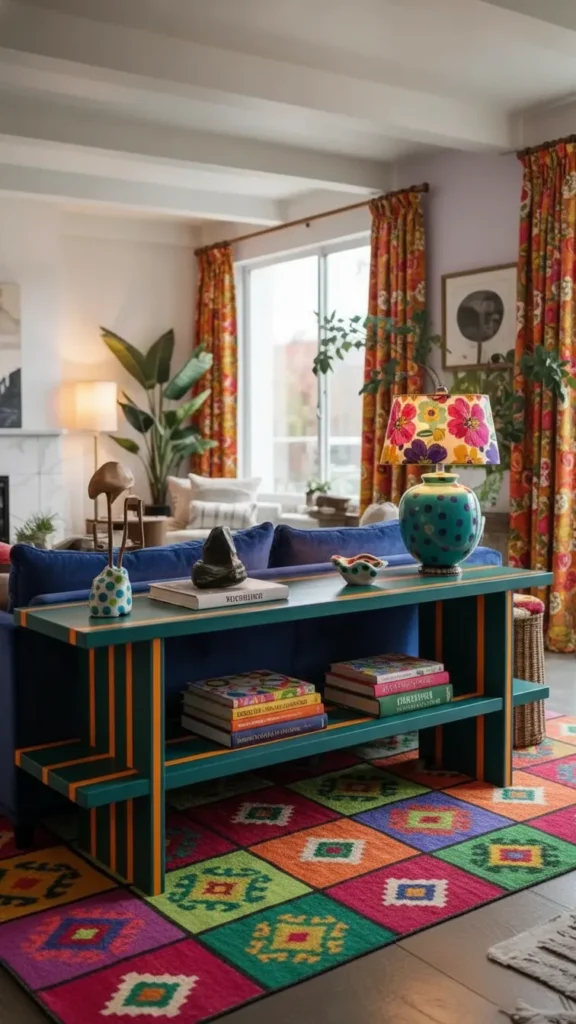
Styling Wood Tables With Natural Elements
Wooden surfaces pair beautifully with organic styling that emphasizes the material’s natural origins.
- Ceramic vases in earth tones complement wood warmth
- Natural fiber accessories (woven baskets, linen runners) add texture
- Stone objects create material contrast while staying organic
- Live plants reinforce the connection to natural materials
Edge Profile Options
The table’s edge detail affects both aesthetics and practicality, with different profiles serving different design goals.
- Square edges feel modern and crisp
- Rounded edges appear softer and more traditional
- Beveled edges add subtle detail without fussiness
- Live edge (natural wood edge) brings organic, contemporary appeal
Wood Tables in Pet-Friendly Homes
Families with pets need to consider scratch resistance and finish durability when selecting wooden sofa tables.
- Choose harder wood species that resist claw scratches
- Apply polyurethane or similar protective topcoats
- Consider darker wood tones that hide minor surface damage
- Avoid delicate finishes that require frequent refinishing
Keeping the Surface Practical Yet Beautiful
Wood invites a relaxed styling approach that balances aesthetics with real-world use.
- Include a small tray for drinks to prevent water rings
- Use coasters even on sealed wood surfaces
- Keep styling simple—a lamp, books, and one natural object
- Avoid cluttering beautiful wood grain with too many items
Color Variation Within Wood Species
Understanding that wood color varies even within the same species prevents disappointment when pieces don’t match perfectly.
- Walnut ranges from light brown to deep chocolate tones
- Oak varies from golden honey to cool gray undertones
- Cherry darkens significantly over time with light exposure
- Request samples or photos of actual inventory before purchasing
Wooden sofa tables offer timeless versatility that transcends passing trends while providing warmth, durability, and natural beauty. Success lies in selecting appropriate grain patterns, finishes, and complementary materials that align with your room’s overall design direction.
Conclusion
The perfect sofa table transforms overlooked space into one of your living room’s hardest-working, most intentional design elements. Whether you’ve chosen modern architectural simplicity, luxurious material richness, stylish balanced proportions, clean contemporary lines, or timeless wooden warmth, the key lies in understanding how the table serves your specific space and daily life. The most successful designs solve real problems—defining zones, managing lighting, providing storage, and creating visual completion—while looking effortlessly beautiful from every angle.
Your sofa table should feel like it was always meant to be there, neither fighting for attention nor disappearing entirely. Start by measuring carefully, considering your room’s circulation patterns, and honestly assessing your storage needs. Then select materials and proportions that complement your existing furniture while adding something your space truly needs. The result is a living room that feels more complete, more functional, and more intentionally designed—all from one thoughtfully chosen piece that finally gives that forgotten space behind your sofa the purpose it deserves.

“I share simple, beautiful and affordable home decor ideas to help you style every corner of your home with ease.