

Choosing the right sofa set can completely change the look and feel of your living room. In 2026, sofa designs are all about comfort, style, and smart use of space. A good sofa doesn’t just look beautiful—it fits your lifestyle too.
Modern living rooms now focus on clean lines, soft textures, and practical layouts. Whether you have a small apartment or a large family space, the right sofa set helps create a welcoming and relaxing environment. New designs also blend comfort with visual appeal.
In this guide, we’ll explore 10 sofa set for living room ideas 2026 that suit different styles and needs. From modern minimal to cozy and elegant setups, these ideas will help you find the perfect match. Get inspired to upgrade your living room with ease.
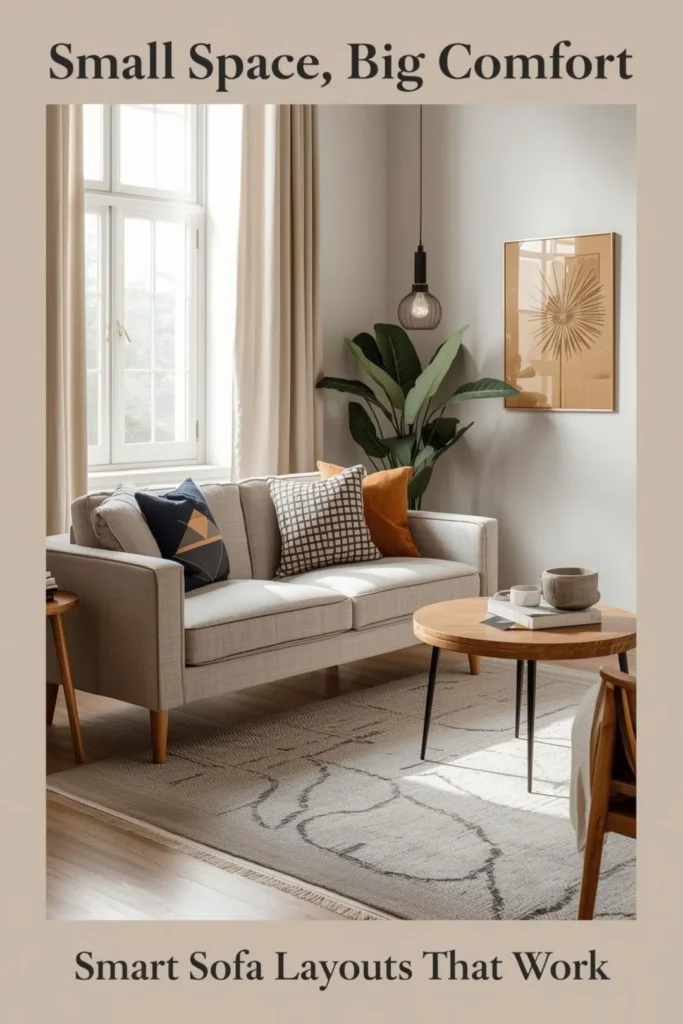
Sofa Set Ideas For Small Living Room To Maximize Comfort
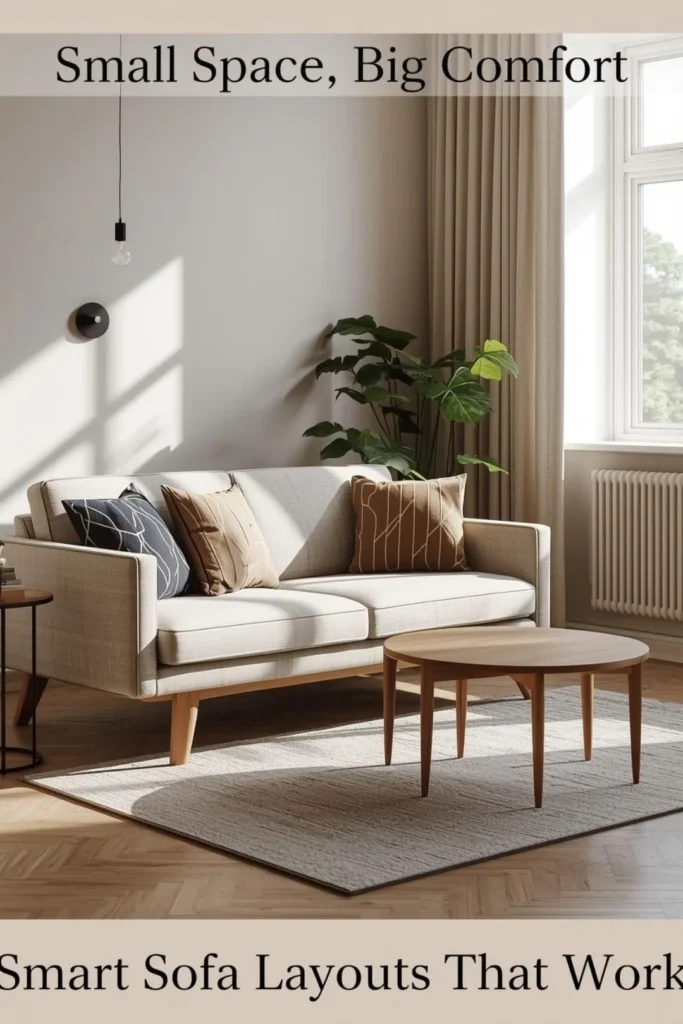
Small living rooms demand strategic thinking. Your sofa choice can either make the space feel cramped or surprisingly spacious. The key is selecting pieces that serve multiple purposes while maintaining visual lightness.
Start With Traffic Flow Analysis
Before purchasing any furniture, map out how people will move through your space:
- Measure walkways: Leave 30-36 inches between furniture pieces for comfortable passage
- Identify entry points: Consider how the room is accessed from hallways and adjacent spaces
- Plan sight lines: Ensure the sofa placement doesn’t block natural light or architectural features
- Test the layout: Use painter’s tape on the floor to mark furniture positions before buying
Choose Slim-Profile Designs
The right sofa style makes all the difference in tight quarters:
- Narrow arms: Select sofas with thin or no arms to maximize seating width
- High legs: Exposed legs create visual space underneath, making rooms feel larger
- Clean lines: Modern designs with minimal detailing take up less visual space
- Light colors: Soft gray, beige, or cream upholstery reflects light and opens up the room
Smart Furniture Pairing Strategies
Your sofa doesn’t exist in isolation. Build around it thoughtfully:
- Nesting tables: Choose coffee tables that can be tucked away when not needed
- Wall-mounted storage: Install floating shelves instead of bulky cabinets
- Compact side tables: Use small round or square tables that fit tight spaces
- Ottoman seating: Add movable ottomans that serve as both seating and surface space
Pin this small space layout strategy! 📌
Depth Matters More Than Length
The seating depth dramatically impacts comfort levels:
- Medium depth seats: 20-24 inches allows upright sitting without sacrificing relaxation
- Test before buying: Sit on sofas to check if your feet touch the floor comfortably
- Consider your height: Taller individuals need deeper seats; shorter people prefer shallow options
- Lumbar support: Ensure the backrest hits your lower back at the right angle
Texture Over Quantity
Create visual interest without overwhelming small spaces:
- One statement texture: Choose a boucle throw or leather ottoman as your focal point
- Neutral base: Keep the sofa in a solid, light color
- Layered accents: Add personality through cushions rather than multiple furniture pieces
- Quality materials: Invest in one excellent piece rather than several mediocre ones
Vertical Space Utilization
Look up to maximize your square footage:
- Wall-mounted lighting: Install sconces or swing-arm lamps to free up floor space
- Storage benches: Use slim benches along walls for hidden blanket and remote storage
- Floating TV mount: Eliminate the need for a deep media console
- Single artwork: Hang one large piece above the sofa instead of a cluttered gallery wall
The Open Floor Plan Approach
When your living room flows into other areas:
- Consider back views: Ensure the rear of your sofa looks finished and attractive
- Create definition: Use the sofa to subtly zone spaces without blocking sight lines
- Coordinate colors: Match or complement adjacent room palettes for visual flow
- Strategic placement: Position sofas to create natural boundaries without walls
Save this space-maximizing technique! 📌
Latest Sofa Set Designs For Living Room Ideas In 2026.
The sofa landscape is shifting dramatically toward comfort-first design. Modern homes are embracing relaxed silhouettes that prioritize how furniture feels, not just how it photographs.
The Rise of Low-Profile Seating
Contemporary design is moving away from tall, formal sofas:
- Lounge-like proportions: Lower seat heights (15-17 inches) create a casual, relaxed vibe
- Oversized cushions: Deep, plush cushions invite extended sitting and lounging
- Wide armrests: Generous arms serve as side tables or additional seating surfaces
- Ground-hugging bases: Minimal clearance creates a modern, anchored look
Modular Systems Take Center Stage
Flexibility is the defining feature of 2026 design:
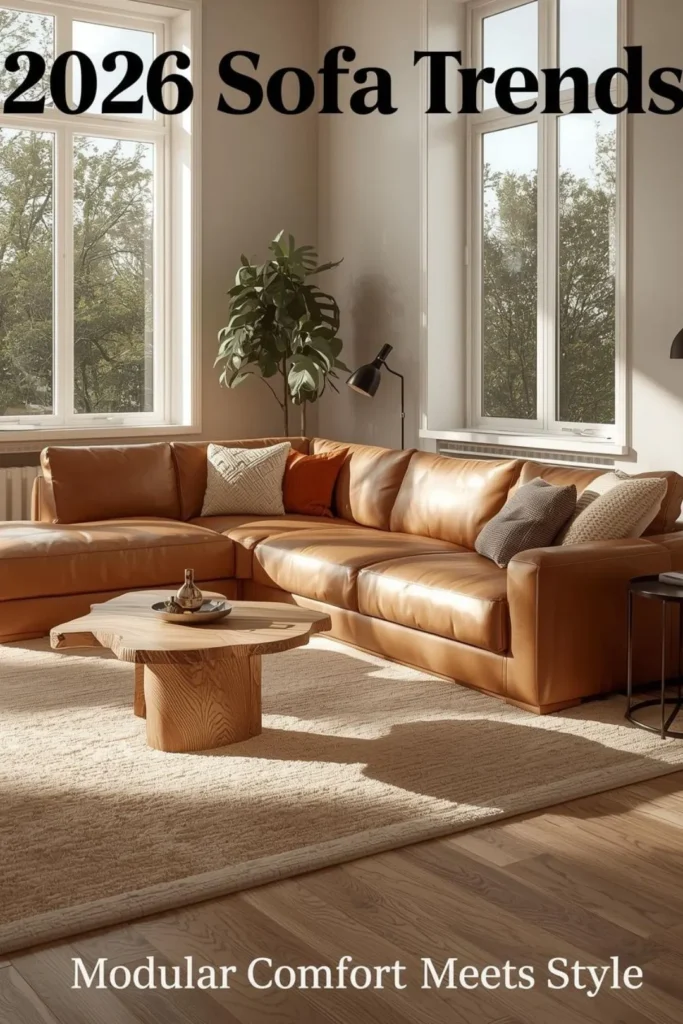
- Reconfigurable pieces: Individual units that can be rearranged as needs change
- Mix-and-match components: Combine straight sections, corners, and chaises freely
- Expandable layouts: Add or remove sections as your family or space evolves
- No-commitment design: Change your room layout without buying new furniture
Organic Curves and Rounded Edges
Sharp angles are giving way to softer forms:
- Curved backrests: Gentle arcs create visual interest and ergonomic comfort
- Rounded arms: Soft edges feel more welcoming and reduce visual sharpness
- Circular elements: Round ottomans and side tables complement curved sofas
- Flow and movement: Organic shapes create a sense of calm and natural rhythm
Pin this 2026 design trend! 📌
Color Evolution in Modern Sofas
Neutral doesn’t mean boring in contemporary design:
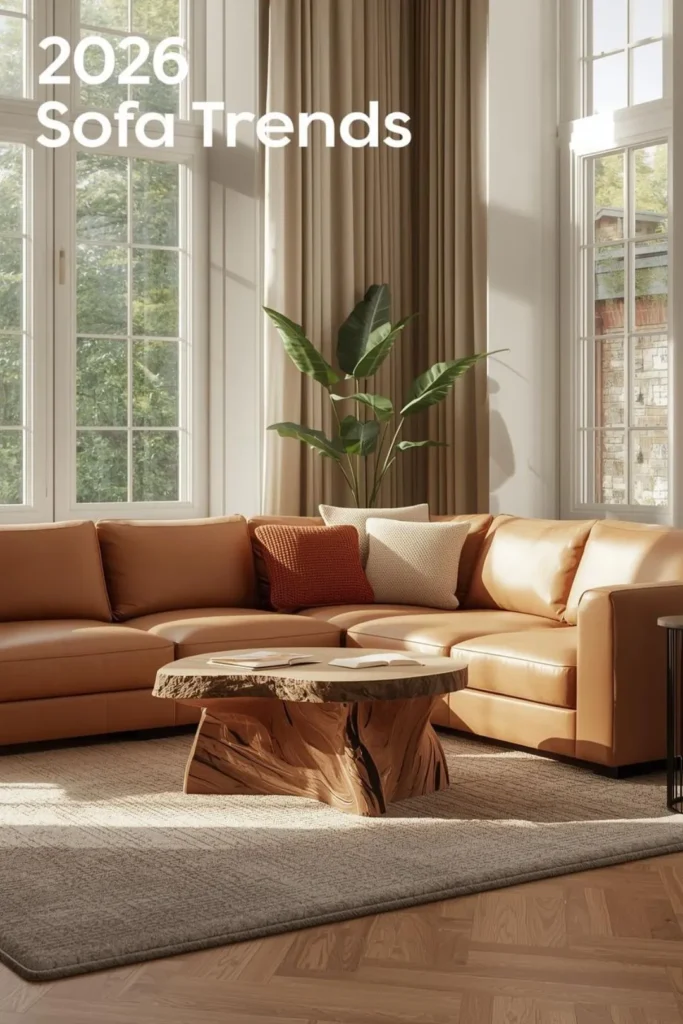
- Warm caramel leather: Cognac and butterscotch tones add richness without heaviness
- Deep jewel tones: Burgundy, forest green, and navy blue create sophisticated focal points
- Chocolate brown: Dark leather and fabric alternatives to traditional black
- Textured neutrals: Beige, taupe, and cream in interesting weaves and materials
Material Mixing for Depth
Combine textures to create dimensional spaces:
- Leather and fabric: Pair a leather sofa with fabric accent chairs
- Wood and metal: Balance warm wood side tables with sleek metal bases
- Natural fibers: Incorporate rattan, jute, or woven elements
- Matte and shine: Mix flat-finish sofas with glossy or metallic accessories
The Function-Comfort Balance
Modern designs don’t sacrifice durability for style:
- Performance fabrics: Stain-resistant materials that look luxurious
- Reinforced frames: Solid construction hidden beneath comfortable cushions
- High-density foam: Superior support that maintains shape over years
- Easy maintenance: Removable, washable covers for real-life living
Why These Designs Work Better
The shift toward relaxed, modular design reflects lifestyle changes:
- Flexible living: Homes serve multiple purposes throughout the day
- Casual entertaining: People want comfortable spaces for extended gatherings
- Work-from-home reality: Living rooms double as offices and meeting spaces
- Multi-generational appeal: Designs that work for all ages and abilities
Save this modern design approach! 📌
Living Room Sofa Set Up Ideas For Perfect Arrangement
Furniture arrangement can make or break a living room’s functionality. The goal is creating natural conversation zones while maintaining clear pathways and visual balance.
Identify Your Focal Point First
Every successful layout starts with a central element:
- Architectural features: Fireplace, large window, or built-in shelving
- Media walls: TV or entertainment center as the visual anchor
- View-oriented: Position toward outdoor scenery or garden views
- Room function: Align with how the space will be used most often
The Classic Conversation Circle
This timeless arrangement never goes out of style:
- Primary sofa: Face the focal point directly
- Angled chairs: Position at 45-90 degrees from the sofa
- Intimate spacing: Keep seating 8-10 feet apart for comfortable conversation
- Clear sight lines: Ensure everyone can see each other without turning awkwardly
Strategic Floating Placement
Pull furniture away from walls for a sophisticated look:
- 18-24 inch gap: Leave space between sofa and wall
- Console table backing: Add a narrow table behind a floating sofa for storage and display
- Room definition: Creates purposeful zones in open-concept spaces
- Circulation flow: Allows movement around furniture instead of along walls
Pin this arrangement technique! 📌
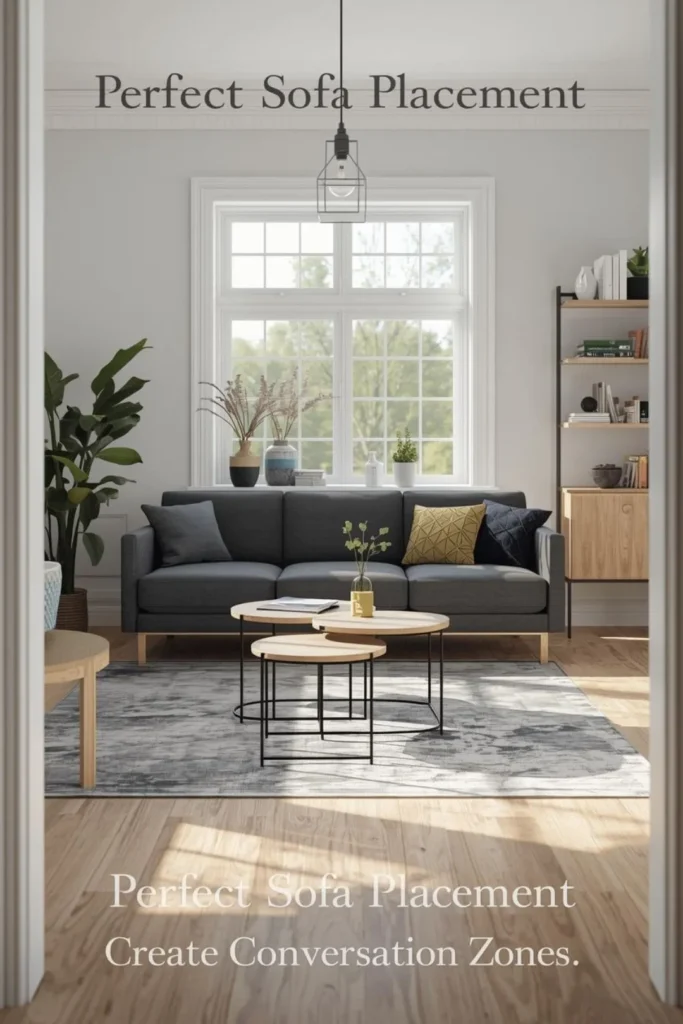
Coffee Table Proportions
The centerpiece of your seating arrangement requires careful consideration:
- Two-thirds rule: Coffee table should be about 2/3 the length of your sofa
- Height matching: Table height should be level with or slightly lower than seat cushions
- Walking clearance: Maintain 14-18 inches between table and seating
- Shape matters: Rectangular tables for linear arrangements; round for angled seating
Side Table Essentials
Every seat deserves convenient surface space:
- Armrest height: Tables should align with sofa arms for easy reach
- One per seat: Provide a table within arm’s reach of each sitting position
- Varied heights: Mix table heights for visual interest while maintaining function
- Lamp-ready: Ensure tables are stable enough for lighting
Media Console Balance
Your TV stand should complement, not dominate:
- Wider than the TV: Console should extend beyond television edges
- Proportional height: Lower consoles work with wall-mounted TVs; taller ones for TVs on stands
- Storage consideration: Choose closed storage to hide clutter and maintain clean lines
- Visual weight: Match the console’s visual presence to your sofa’s scale
The Entry View Strategy
Consider what people see when entering the room:
- First impression: Arrange furniture to create an inviting, balanced initial view
- Sight line coordination: Align sofa backs or chair angles with doorway perspectives
- Color placement: Position colorful or interesting pieces where they’re immediately visible
- Welcoming open space: Avoid blocking the entry with furniture backs
Save this perfect arrangement guide! 📌
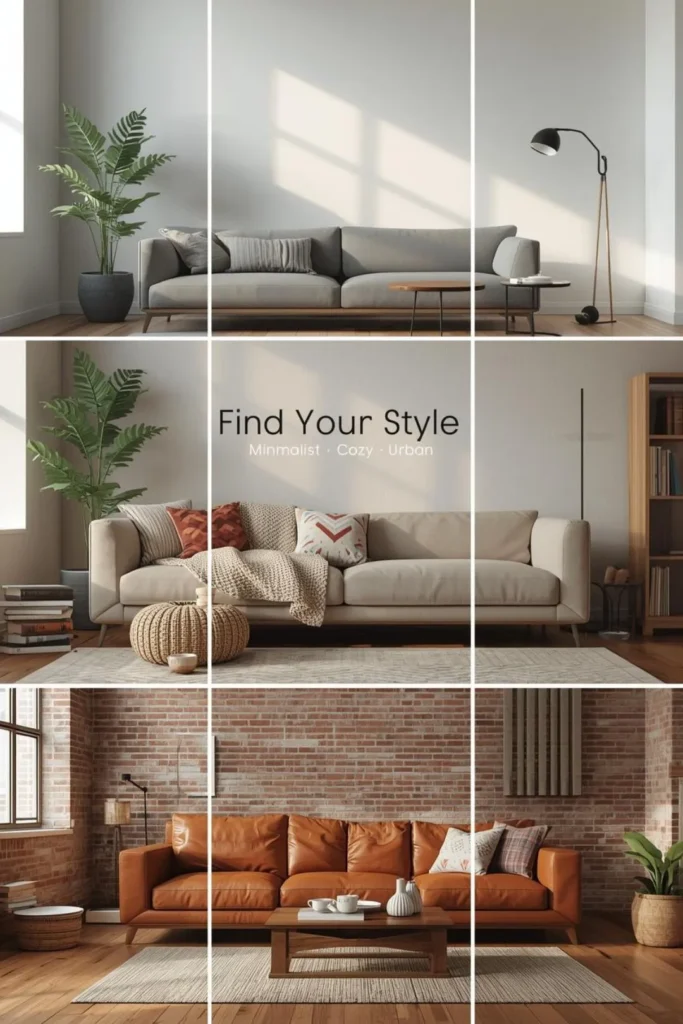
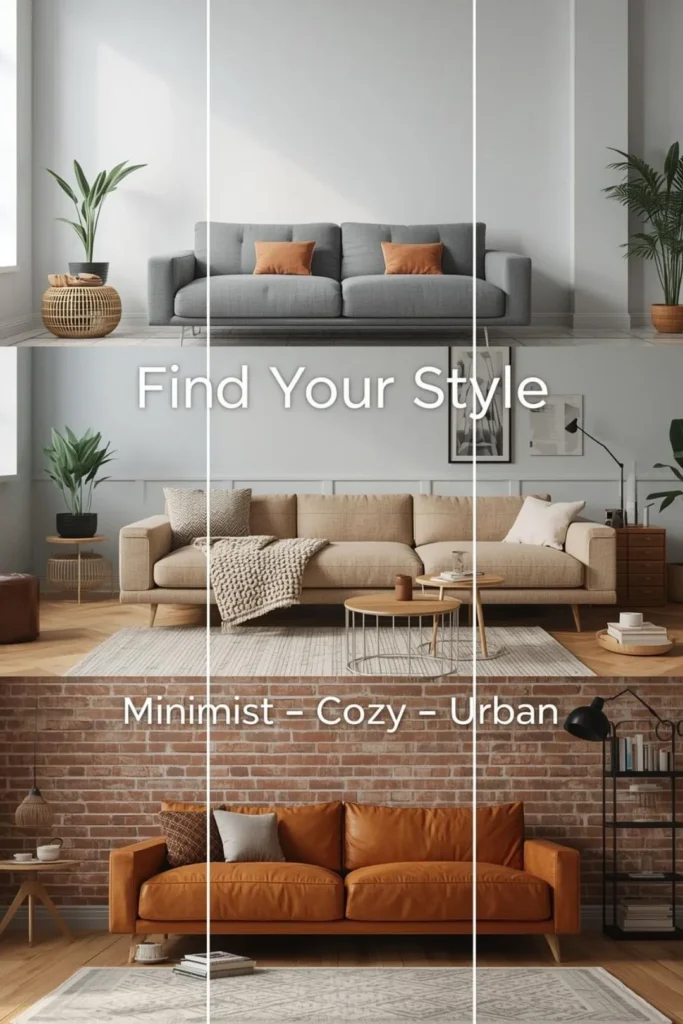
Sofa Set Ideas Living Room Styles That Inspire Modern Homes
Your sofa choice should reflect not just aesthetics, but how you actually live in your space. Understanding different style approaches helps you create a room that’s both beautiful and authentically yours.
Minimalist Modern Approach
Less is more with this clean, intentional style:
- Sleek lined sofas: Choose designs with minimal visible seams and simple silhouettes
- Limited color palette: Stick to white, black, gray, and natural wood tones
- Negative space: Allow plenty of empty floor and wall space
- Quality over quantity: Invest in fewer, better-made pieces
- Hidden storage: Keep surfaces clear with concealed organization solutions
Cozy Modern Comfort
Warmth meets contemporary design in this approachable style:
- Soft fabric sectionals: Light gray or beige upholstery in touchable materials
- Textured layers: Add depth with woven throws, boucle pillows, and nubby rugs
- Warm neutrals: Combine cream, caramel, and soft taupe throughout
- Inviting elements: Include plush cushions and oversized throw blankets
- Natural materials: Incorporate wood, rattan, and organic fibers
Urban Loft Aesthetic
Industrial elements create sophisticated edge:
- Leather upholstery: Dark gray or brown leather sofas for lived-in character
- Mixed materials: Combine metal, wood, and concrete-look elements
- Exposed elements: Celebrate visible frames, legs, and structural details
- Bold accents: Use deep colors like navy, forest green, or charcoal
- Architectural interest: Highlight brick, beams, or industrial-style lighting
Pin this style inspiration! 📌
Eclectic Contemporary Mix
Personality-driven spaces that break traditional rules:
- Statement sofas: Chesterfield designs in unexpected colors like emerald or navy
- Pattern play: Mix geometric, floral, and abstract prints thoughtfully
- Collected look: Combine vintage finds with modern pieces
- Color confidence: Use jewel tones, burnt orange, or mustard yellow
- Artistic elements: Display bold contemporary art and unique sculptures
Transitional Balance
Bridge traditional and modern for timeless appeal:
- Updated classics: Traditional shapes in contemporary fabrics and colors
- Neutral foundation: Taupe, greige, or soft gray as your base
- Subtle patterns: Incorporate gentle stripes or tone-on-tone designs
- Familiar comfort: Choose proportions that feel neither too formal nor too casual
- Refined details: Look for simple tufting or subtle piping
Scandinavian Simplicity
Nordic-inspired design emphasizes function and light:
- Light wood tones: Blonde oak or ash frames and accent tables
- Pale palettes: White, light gray, and soft pastels dominate
- Functional beauty: Every piece serves a purpose while looking effortless
- Natural light: Maximize windows and use sheer curtains
- Hygge elements: Add cozy textures without cluttering spaces
Making Style Work for Life
The best design matches your actual daily routine:
- Test comfort: Sit on sofas for at least 10 minutes before purchasing
- Consider maintenance: Choose fabrics that suit your cleaning tolerance
- Lifestyle compatibility: Active families need different materials than empty nesters
- Future flexibility: Select styles that can evolve with minor accessory changes
Save this style guide! 📌
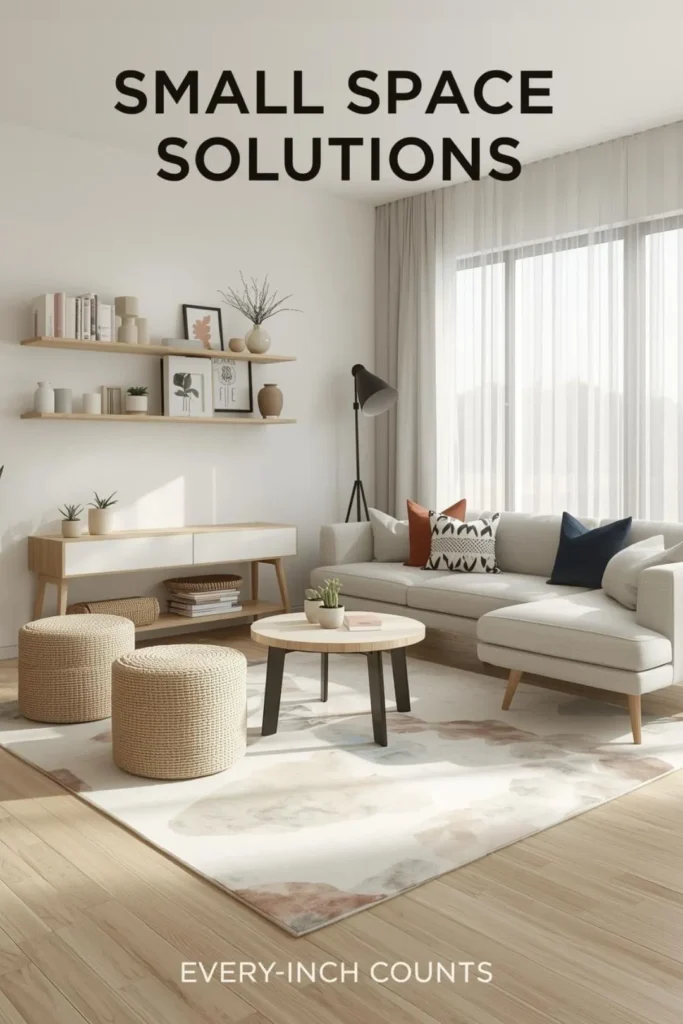
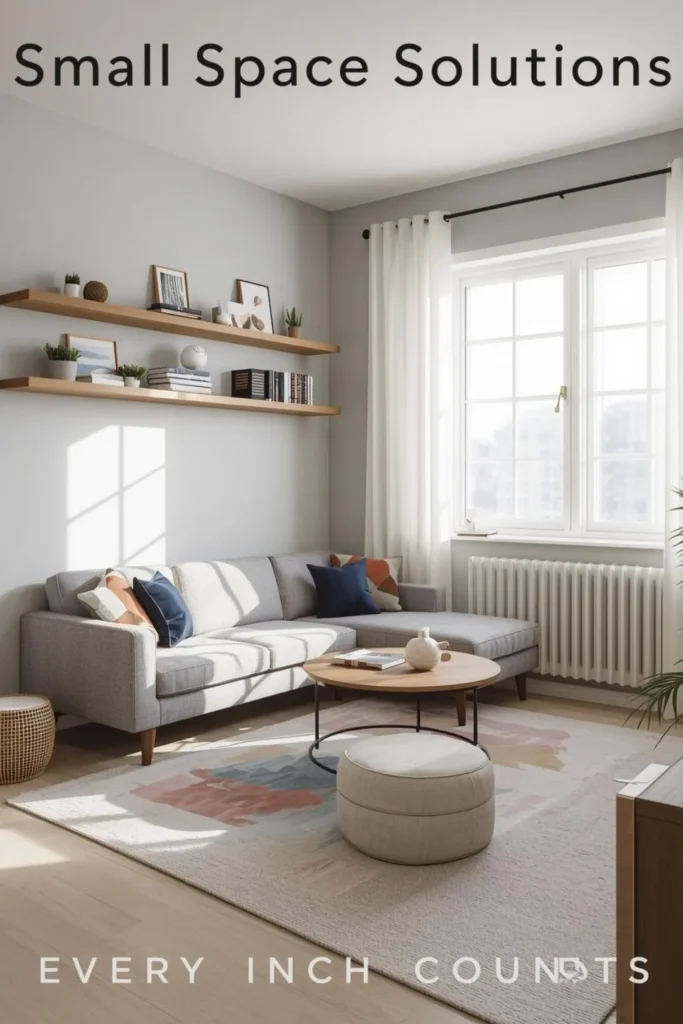
Small Living Room Sofa Set Ideas For Smart Space Planning.
Small living rooms require furniture that works overtime. The secret isn’t finding smaller pieces—it’s choosing smarter ones that serve multiple purposes without visual chaos.
Corner Sectional Strategy
Maximize awkward spaces with smart sectional placement:
- L-shaped advantage: Fits snugly into corners while providing ample seating
- Floor space preservation: Keeps the room’s center open for movement
- Built-in storage: Many corner sectionals include hidden storage compartments
- Chaise option: Provides lounging space without adding a separate piece
- Sight line management: Doesn’t block views or create visual barriers
Multi-Functional Furniture Essentials
Every piece should earn its place through multiple uses:
- Storage ottomans: Serve as coffee tables, seating, and hidden storage
- Sofa beds: Guest accommodation without dedicating a room
- Nesting tables: Expand when needed, tuck away when not
- Console tables: Work as desks, dining surfaces, and display areas
- Under-sofa storage: Utilize the space beneath for seasonal items
Vertical Space Maximization
Look up to find hidden storage opportunities:
- Wall-mounted shelves: Display books and decor without using floor space
- Floating cabinets: Provide enclosed storage while maintaining open floor
- Tall bookcases: Draw the eye upward, making ceilings feel higher
- Picture ledges: Create gallery walls without commitment or damage
- High-mounted lighting: Free up side tables by using wall sconces
Pin this space-planning approach! 📌
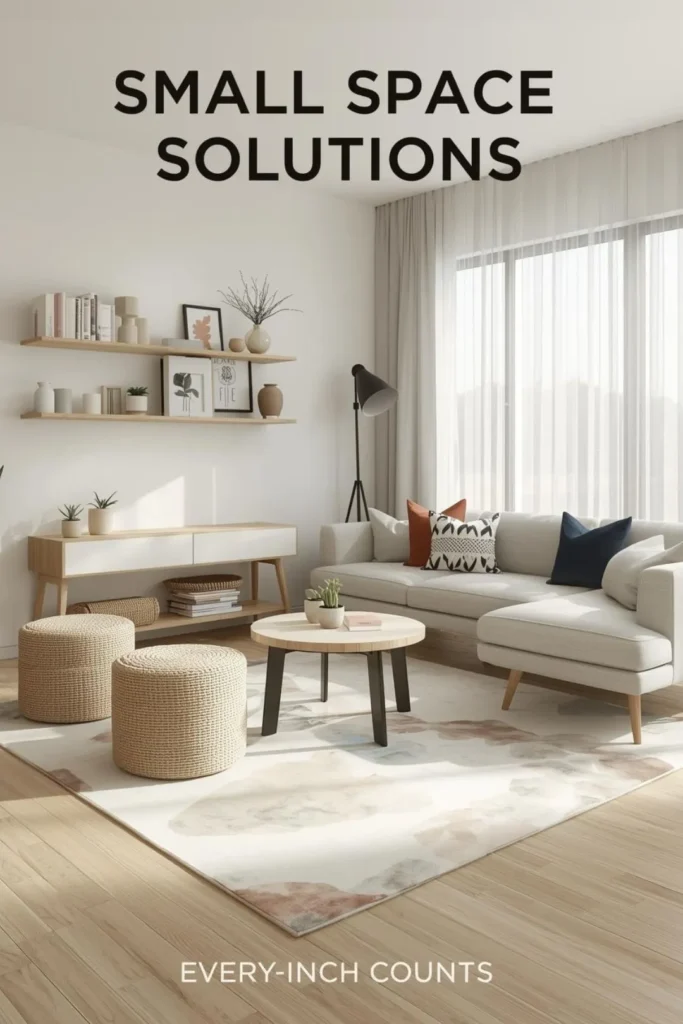
Scale and Proportion Rules
Size matters in compact rooms:
- Measure everything: Know exact dimensions before shopping
- Depth consideration: Sofa depth matters more than length in small spaces
- Leg visibility: Exposed legs make furniture appear less bulky
- Arm width: Narrow arms maximize seating width in tight spaces
- Overall scale: Choose appropriately-sized pieces, not oversized ones
Light Color Psychology
Strategic color choices create spacious illusions:
- Soft neutrals: Light gray, cream, and soft white reflect light
- Monochromatic schemes: Similar tones throughout expand perceived space
- Accent pops: Use bold colors in small doses through pillows or artwork
- Light reflectivity: Choose fabrics with slight sheen to bounce light
- Floor-to-ceiling coordination: Blend furniture colors with walls for seamless flow
Streamlined Silhouettes
Clean lines prevent visual overcrowding:
- Simple shapes: Avoid overly decorative elements or fussy details
- Minimal tufting: Keep upholstery smooth or subtly textured
- Straight backs: Modern, vertical backrests take less visual space
- Low profiles: Lower furniture heights make rooms feel more spacious
- Consistent style: Match design aesthetics to avoid chaotic variety
The Pre-Purchase Planning Process
Prevent costly mistakes with thorough preparation:
- Floor plan drawing: Sketch your room to scale on paper or digitally
- Tape testing: Use painter’s tape to mark furniture footprints on the floor
- Dimension comparison: Measure your current furniture for reference points
- Traffic flow simulation: Walk through your taped layout to test movement
- Photo documentation: Take pictures to reference while shopping
Save this smart planning method! 📌
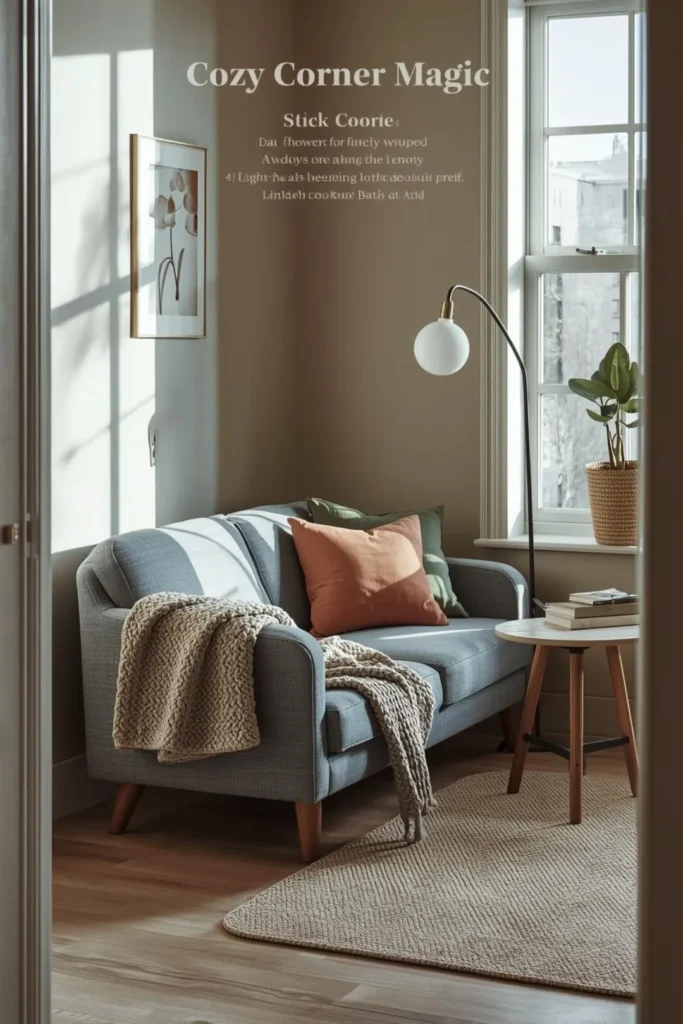
Living Room Sofa Set Small Spaces Ideas For Cozy Corners
Creating mini living spaces within larger rooms adds layers of functionality and charm. These cozy corners become favorite retreat spots that serve specific purposes while enhancing overall room design.
Identifying Nook Opportunities
Look for underutilized areas that can become functional zones:
- Window alcoves: Capitalize on natural light for reading or relaxation
- Stairway landings: Transform transitional spaces into seating areas
- Room corners: Use 90-degree angles to create intimate settings
- Hallway ends: Convert dead-end spaces into purposeful seating
- Open plan divisions: Define zones in large, flowing layouts
Loveseat and Chair Selection
Right-sized seating makes or breaks small nooks:
- Two-seater sofas: Provide comfortable seating without overwhelming the space
- Petite dimensions: Look for loveseats under 60 inches wide
- Comfortable depth: Maintain 30-35 inch depth for proper lounging
- Soft fabrics: Choose touchable materials like velvet, linen, or chenille
- Accent colors: Use muted tones like light blue, sage green, or soft blush
Round Table Advantages
Circular tables work better in tight corners:
- No sharp corners: Easier navigation in confined spaces
- Visual softness: Rounded shapes feel more approachable and friendly
- Flexible placement: Can be positioned closer to seating
- Proportional sizing: 16-20 inch diameter works for most nooks
- Multi-purpose use: Holds drinks, books, and decorative objects
Pin this cozy corner concept! 📌
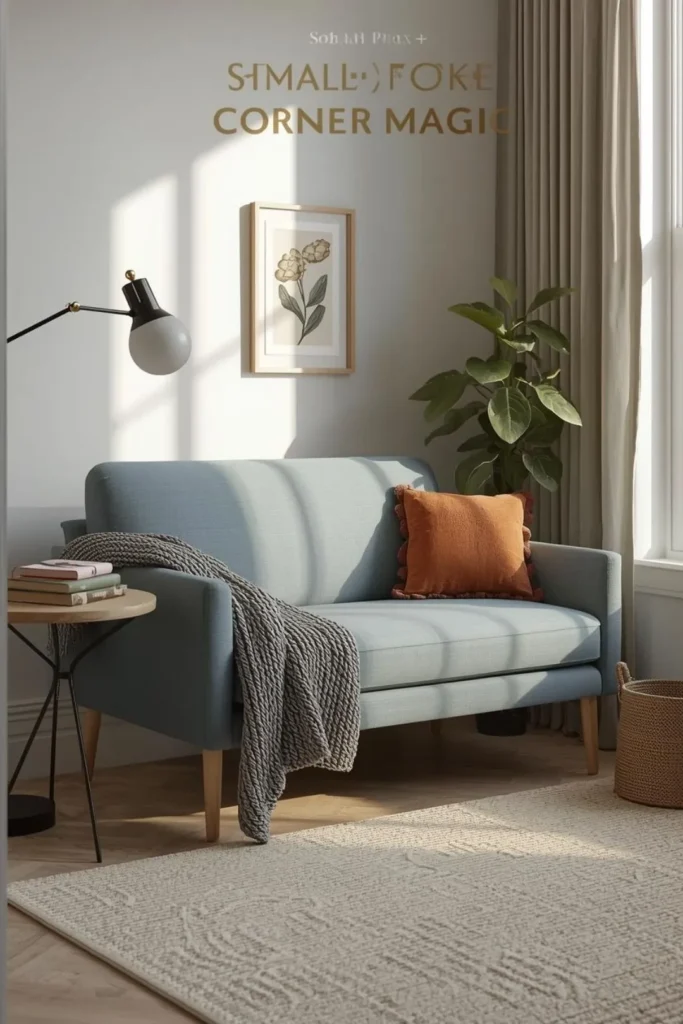
Lighting Layer Strategy
Proper illumination makes nooks functional and inviting:
- Task lighting: Add reading lamps with adjustable arms or necks
- Ambient glow: Use warm bulbs (2700-3000K) for cozy atmosphere
- Space-saving options: Wall-mounted sconces eliminate floor lamp footprints
- Dimmer capability: Install dimmers for mood control
- Natural light enhancement: Position near windows when possible
Zoning With Textiles
Define spaces without physical barriers:
- Small area rugs: Use 4×6 or 5×7 rugs to mark the nook territory
- Complementary patterns: Echo main room designs in smaller scale
- Texture variation: Add visual interest through varied weave types
- Color coordination: Link nook colors to overall room palette
- Partial coverage: Rug should fit under front furniture legs only
Decorative Finishing Touches
Complete the nook with thoughtful accessories:
- Single artwork: Hang one piece above the loveseat at eye level
- Small shelf: Install a floating shelf for books or collectibles
- Throw elements: Add one cozy blanket and 1-2 coordinating pillows
- Living plants: Include greenery in scale-appropriate containers
- Personal items: Display meaningful objects that reflect your interests
Maintaining Visual Connection
Keep nooks integrated with the main space:
- Repeated elements: Echo materials or colors from primary seating area
- Sight line consideration: Ensure nooks don’t create visual barriers
- Circulation respect: Maintain clear pathways to and around the nook
- Proportional scale: Keep furniture sizes consistent with room’s overall scale
- Unified style: Match or complement the main room’s design aesthetic
Save this nook-building strategy! 📌
Sofa Set Ideas For Big Living Room With Grand Appeal
Large living rooms present unique challenges—too much furniture creates a showroom feel, while too little leaves awkward empty spaces. The solution lies in creating multiple purposeful zones that feel connected yet distinct.
Multiple Seating Zone Strategy
Divide expansive rooms into functional areas:
- Primary conversation zone: Main sofa arrangement for gatherings and TV viewing
- Secondary sitting area: Smaller grouping for reading or intimate conversations
- Window seating: Capitalize on views with strategically placed chairs
- Coffee station: Create a dedicated area for morning beverages
- Workspace integration: Add a small desk area without compromising living space
Two-Sofa Facing Arrangement
Create symmetry and visual impact with parallel seating:
- Matching sofas: Use identical or similar 84-96 inch sofas facing each other
- Bold colors: Navy blue, charcoal, or deep green make strong statements
- Central focal point: Position around fireplace, window, or art installation
- Balanced spacing: Maintain 8-10 feet between facing sofas
- Anchor with scale: Use substantial coffee table (48-60 inches) as centerpiece
Sectional Plus Separate Grouping
Combine large-scale and intimate seating:
- Primary sectional: L-shaped or U-shaped for main entertainment area
- Independent cluster: Two chairs and small sofa for quiet conversation
- Distinct purposes: TV viewing zone separate from reading/talking area
- Rug definition: Use separate area rugs to mark each zone
- Coordinated but varied: Match color palette while varying furniture styles
Pin this grand room layout! 📌
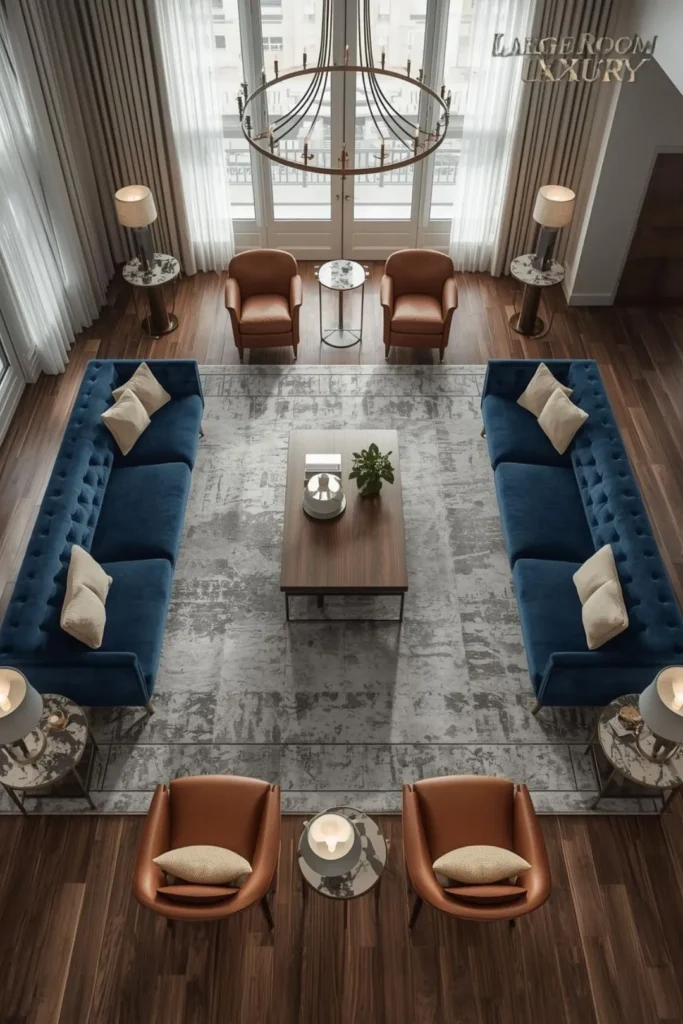
Proportional Furniture Selection
Scale matters dramatically in spacious rooms:
- Substantial pieces: Avoid tiny furniture that gets lost in large spaces
- Deep seating: 36-40 inch depths provide lounging comfort
- Tall backrests: Higher backs (32-36 inches) balance room height
- Wider arms: Generous arm width creates appropriate visual weight
- Oversized accents: Large ottomans, substantial side tables, and statement lamps
Strategic Rug Sizing
Proper rug scale anchors furniture arrangements:
- All-furniture-on approach: Largest option where all pieces sit on the rug
- Front-legs-only method: Rug extends under front legs of sofas and chairs
- Minimum sizes: 9×12 or 10×14 for main seating; 6×9 or 8×10 for secondary
- Multiple rugs: Use separate rugs to distinguish different zones
- Unified color: Keep rug tones consistent across zones for cohesion
Filling Vertical Space
Address tall ceilings and long walls:
- Tall shelving: Floor-to-ceiling bookcases add architectural interest
- Large-scale art: Oversized paintings or gallery walls at proper scale
- Statement lighting: Substantial chandeliers or pendant lights
- Architectural elements: Add moldings, paneling, or decorative beams
- Dramatic drapes: Floor-to-ceiling curtains draw the eye upward
Console and Accent Table Strategy
Support furniture with appropriately-sized surfaces:
- Behind-sofa consoles: 60-72 inch tables for floating arrangements
- Between-zone bridges: Use consoles to visually connect separate areas
- Substantial side tables: Choose 24-30 inch heights with adequate surface area
- Varied heights: Mix table elevations for visual rhythm
- Storage incorporation: Select consoles with drawers or shelves for functionality
Save this large-room approach! 📌
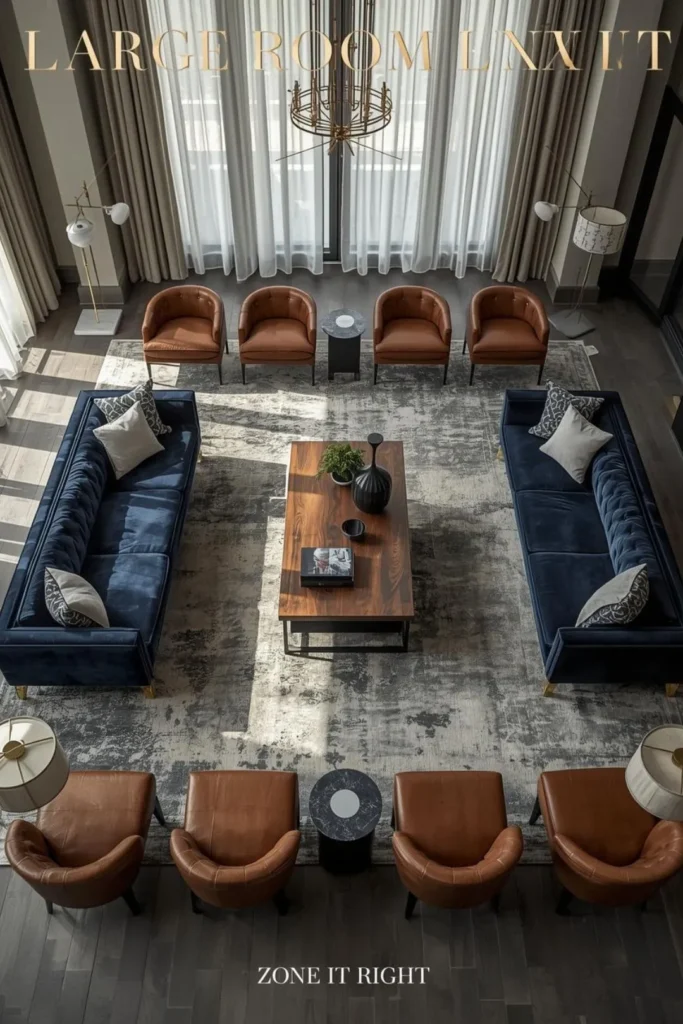
Gray Sofa Set Living Room Ideas For Neutral Sophistication
Gray sofas offer unmatched versatility and sophistication. This neutral foundation allows you to shift accent colors and styles over time without replacing major furniture pieces.
Gray Tone Selection Strategy
Choose the right gray shade for your space:
- Cool grays: Blue undertones create crisp, contemporary feel
- Warm grays: Taupe undertones (greige) add coziness and depth
- Medium values: Mid-tone grays work in most lighting conditions
- Light grays: Pale shades expand small spaces visually
- Dark charcoal: Deep grays create dramatic, moody sophistication
Preventing Cold Gray Syndrome
Warm up neutral spaces with strategic additions:
- Wood tones: Introduce light oak, walnut, or teak furniture and accents
- Warm whites: Use cream or ivory instead of stark white
- Brass or gold: Add metallic accents in warm finishes
- Textured layers: Incorporate chunky knits, boucle, or velvet
- Warm undertones: Choose grays with slight brown or green undertones
Accent Color Pairing
Transform gray foundations with smart color choices:
- Navy and dark blue: Classic combination that feels sophisticated
- Olive or sage green: Earthy tones add organic warmth
- Mustard yellow: Vibrant pops energize neutral spaces
- Burnt orange: Retro-modern vibe with contemporary edge
- Soft blush: Gentle feminine touch without going pink
- Deep burgundy: Rich jewel tones create luxurious depth
Pin this gray styling approach! 📌
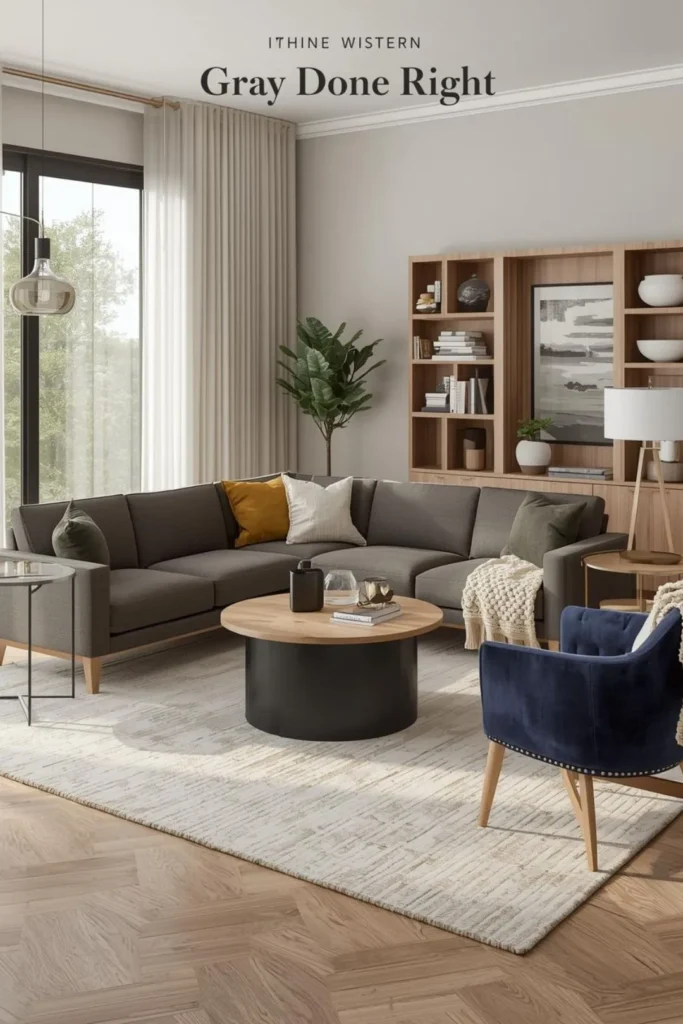
Texture Layering Techniques
Create visual interest in monochromatic schemes:
- Mixed upholstery: Combine smooth gray sofa with textured chairs
- Varied fabrics: Layer linen, velvet, leather, and wool
- Dimensional rugs: Choose patterns with high-low pile or visible weave
- Tactile throws: Add chunky knits or faux fur blankets
- Natural materials: Incorporate rattan, jute, or woven elements
Metal Finish Coordination
Hardware and accents define the overall style:
- Matte black: Modern, architectural edge with gray sofas
- Brushed nickel: Contemporary neutrality that doesn’t compete
- Aged brass: Warm traditional touch in modern settings
- Chrome or polished steel: Sleek, minimalist aesthetic
- Mixed metals: Combine finishes intentionally (70% one metal, 30% accent)
Furniture Material Balance
Create depth through diverse materials:
- Wood coffee tables: Light ash or walnut against gray upholstery
- Glass surfaces: Acrylic or tempered glass keeps spaces feeling open
- Stone accents: Marble or concrete add natural texture
- Metal frames: Slim powder-coated or raw metal table bases
- Woven elements: Rattan or cane chairs provide organic contrast
Adaptable Accessory Strategy
Change the room’s mood with swappable elements:
- Seasonal pillows: Rotate colors based on time of year
- Artwork rotation: Switch pieces to refresh the space periodically
- Throw blanket updates: Change textures and colors affordably
- Removable chair covers: Update accent seating without reupholstering
- Rug layering: Add smaller accent rugs over neutral base rugs
Save this neutral styling guide! 📌
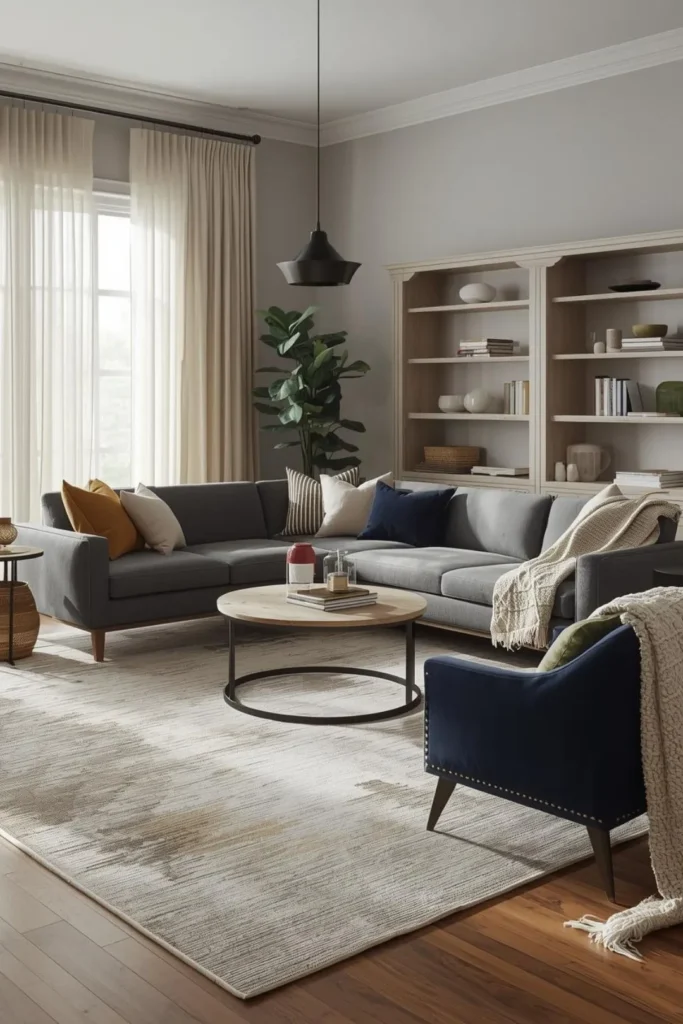
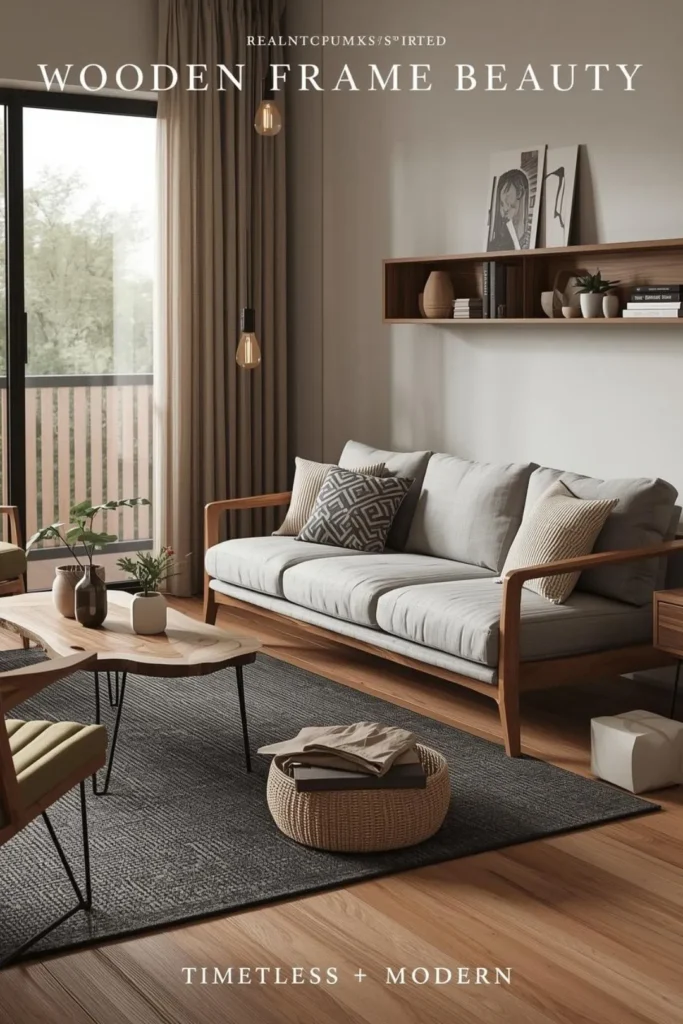
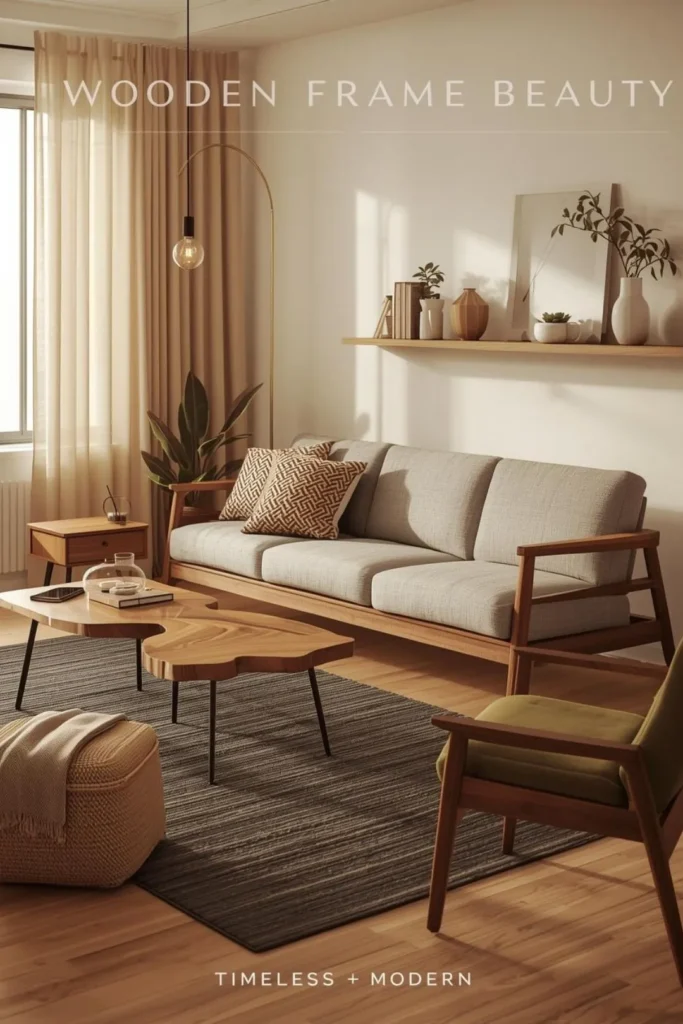
Wooden Sofa Set Designs Modern Living Room Ideas For Timeless Warmth
Wooden sofa frames bring natural warmth and craftsmanship that synthetic materials can’t replicate. These pieces age beautifully, developing character while maintaining structural integrity for decades.
Wood Species Selection
Different woods create distinct aesthetic impacts:
- Walnut: Rich dark brown with sophisticated grain patterns
- Oak: Durable blonde to medium tone with prominent grain
- Teak: Golden brown with natural oils that resist wear
- Ash: Light color with straight, subtle grain for minimalist looks
- Cherry: Warm reddish tones that deepen beautifully with age
Modern Frame Design Elements
Contemporary wooden sofas reject fussy traditional details:
- Clean lines: Straight edges without ornate carving or detailing
- Tapered legs: Angled legs that narrow toward the floor
- Minimal joinery: Simple connections that showcase craftsmanship
- Integrated storage: Built-in drawers or shelves in armrests or bases
- Low profiles: Modern proportions with lower backrests and seats
Cushion and Upholstery Choices
Fabric selection balances wood’s natural presence:
- Light neutrals: Gray, beige, and cream complement dark woods
- Earthy tones: Olive green, terracotta, and sage enhance natural warmth
- Texture variation: Choose linen, cotton, or performance fabrics
- Medium density: Firm yet comfortable cushions that maintain shape
- Removable covers: Practical for cleaning and seasonal updates
Pin this wooden sofa concept! 📌
Wood Tone Coordination
Mixing woods requires intentional strategy:
- Vary the value: Combine light floors with dark furniture or vice versa
- Consistent undertones: Match warm woods together or cool woods together
- Dominant species: Use one wood type for 70% of pieces, accent with others
- Similar finish levels: Match matte with matte, glossy with glossy
- Strategic separation: Use rugs or space to buffer different wood tones
Mid-Century Modern Influence
This design movement celebrates wooden furniture:
- Exposed frames: Show off wood’s natural beauty in structural elements
- Organic shapes: Gentle curves and angles inspired by nature
- Functional beauty: Every element serves a purpose
- Quality materials: Invest in solid wood, not veneers
- Iconic silhouettes: Reference classic designs like Danish modern
Material Combination Strategy
Balance wood with complementary textures:
- Leather accents: Tan or cognac leather chairs with wooden sofas
- Fabric contrast: Soft upholstery against hard wood creates tactile variety
- Metal details: Brass or black metal hardware adds refinement
- Natural fibers: Jute rugs and woven baskets reinforce organic theme
- Stone surfaces: Marble or concrete coffee tables provide cool contrast
Longevity and Reupholstery
Wooden frames are investment pieces:
- Quality construction: Look for hardwood frames with proper joinery
- Timeless design: Choose styles that won’t feel dated in 10 years
- Reupholstery potential: Wooden frames can be recovered multiple times
- Maintenance ease: Wood requires simple cleaning and occasional conditioning
- Heirloom quality: Well-made wooden furniture lasts generations
Save this timeless design approach! 📌
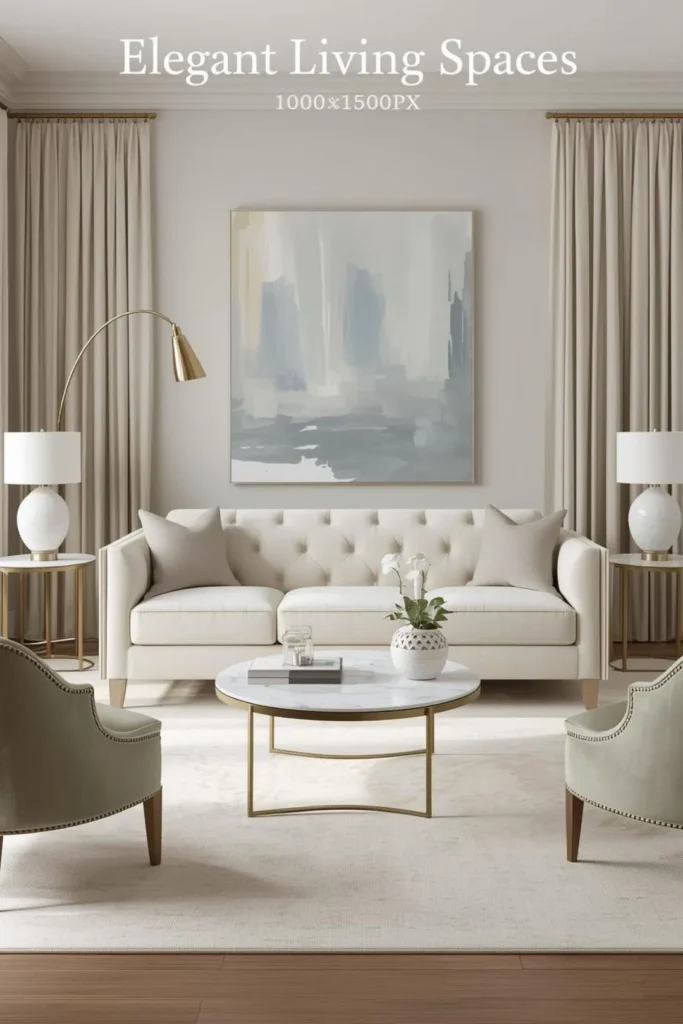
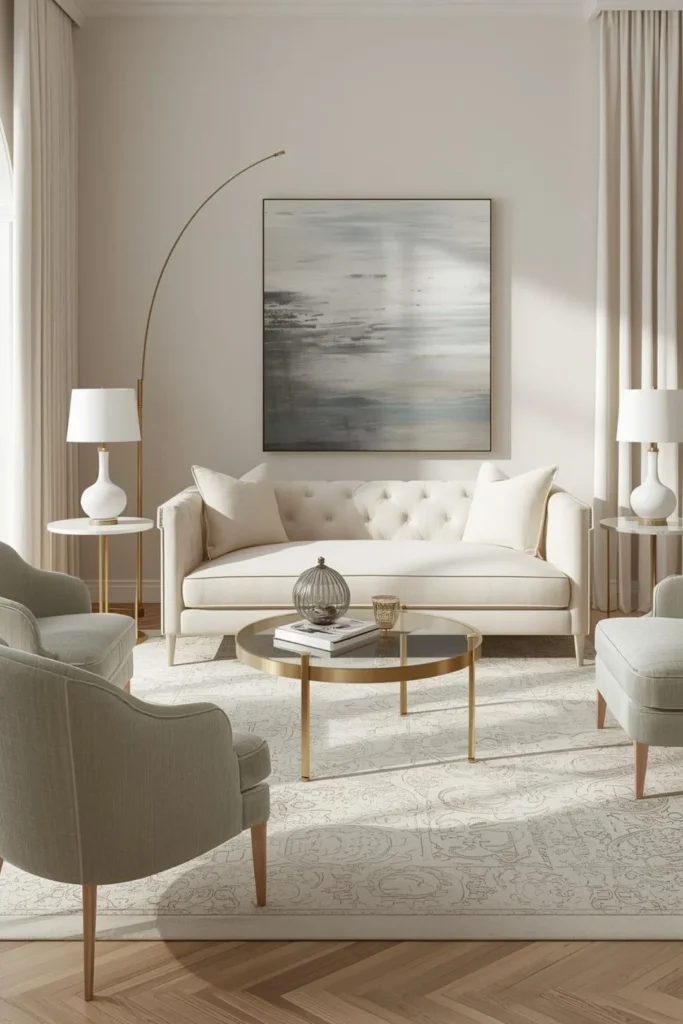
Sofa Set Ideas Living Room Furniture That Defines Elegance
True elegance comes from restraint and thoughtful curation. Creating sophisticated spaces means selecting fewer, better pieces and giving each room to breathe.
The Edit-First Approach
Sophisticated rooms start by removing excess:
- Quality over quantity: Choose three excellent pieces rather than five mediocre ones
- Breathing room: Leave 30-40% of floor space empty
- Negative space: Allow walls and surfaces to remain uncluttered
- Intentional placement: Every item should have a clear purpose and position
- Visual rest: Create areas where the eye can pause
Refined Upholstery Details
Small design elements elevate overall sophistication:
- Narrow arms: Slim, curved arms appear more refined than bulky ones
- Tapered legs: Legs that narrow toward the floor create elegant lines
- Subtle tufting: Light button tufting adds texture without fussiness
- Piping details: Thin contrast piping defines edges cleanly
- High-performance fabrics: Luxurious look with practical durability
Color Palette Sophistication
Elegant spaces embrace subtle, complex colors:
- Warm neutrals: Cream, warm white, and soft taupe as foundations
- Muted jewel tones: Dusty navy, soft olive, or pale burgundy accents
- Monochromatic layers: Various shades of one color family
- Restrained contrast: Gentle differences rather than stark opposites
- Metallic accents: Soft gold, aged brass, or brushed nickel in small doses
Pin this elegant design strategy! 📌
Lighting as Jewelry
Illumination choices dramatically impact sophistication:
- Layered sources: Combine ambient, task, and accent lighting
- Statement floor lamps: Sculptural designs become art pieces
- Elegant table lamps: Matching or coordinated pairs on side tables
- Dimmer controls: Adjust brightness for different moods and times
- Warm bulbs: 2700-3000K temperature creates inviting glow
Textile Quality Matters
Fabric choices communicate luxury:
- Natural fibers: Linen, cotton, silk, and wool feel expensive
- Substantial weight: Heavier drapery fabrics appear more refined
- Minimal patterns: Solid colors or subtle textures over busy prints
- Professional finishing: Properly hemmed curtains and fitted cushions
- Coordinated textiles: Curtains, pillows, and throws in harmonious palette
Furniture Proportion Balance
Elegant rooms maintain visual equilibrium:
- Similar scale: Keep furniture pieces in proportion to each other
- Varied heights: Mix low sofas with taller bookcases or art
- Symmetrical anchors: Balance one large piece with two smaller ones
- Negative space distribution: Spread empty areas evenly throughout room
- Focal point clarity: One dominant feature rather than competing elements
Small-Space Elegance Adaptations
Sophistication works in compact rooms too:
- Smaller footprint: Choose a loveseat and one chair instead of full sectional
- Glass surfaces: Transparent materials maintain openness
- Wall-mounted elements: Floating shelves and sconces save floor space
- Monochromatic scheme: Single color palette expands perceived space
- Statement lighting: One beautiful fixture instead of multiple generic ones
Save this elegance framework! 📌
Conclusion
Choosing the right sofa set is an important step in creating a comfortable and stylish living room. The sofa often becomes the center of the space, where family and guests spend most of their time together.
The sofa set for living room ideas 2026 focus on modern designs, comfort, and smart functionality. From clean minimal styles to cozy and elegant options, there is something to fit every home and lifestyle.
By selecting a sofa that matches your space, color theme, and daily needs, you can refresh your living room effortlessly. Use these ideas as inspiration to create a space that feels welcoming, modern, and truly yours.

“I share simple, beautiful and affordable home decor ideas to help you style every corner of your home with ease.