

Your bedroom should be more than just a place to sleep. It’s your personal sanctuary, the first thing you see in the morning and the last thing at night. But if you’re lying there staring at a bed that feels outdated, cramped, or just doesn’t work for your life anymore, you know something needs to change. The bed isn’t just furniture—it’s the foundation of how your entire bedroom functions and feels.
That’s why I’m walking you through the top 5 bed design trends for 2026 that actually matter. These aren’t just pretty concepts from magazines. They’re practical, livable solutions that combine style with real functionality. Whether you’re dealing with a tight space, want timeless appeal, need hidden storage, or crave a bold statement piece, you’ll find a design direction here that transforms your bedroom into a space that truly works for you.
Simple New Bed Designs For Modern Homes
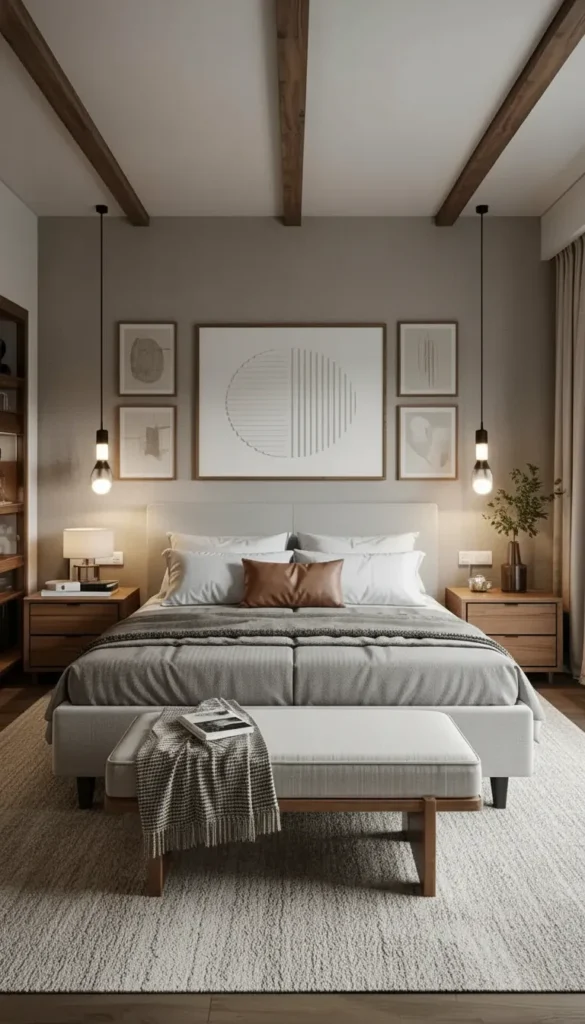
Simple bed designs are having a major moment in 2026, and for good reason. When your bedroom feels cluttered or visually busy, a clean-lined bed instantly brings calm and order. These designs focus on what matters: beautiful proportions, minimal fuss, and a frame that lets your personality shine through textiles and decor.
Why Simple Works in Modern Spaces
The beauty of a simple bed design lies in its versatility. You’re not locked into one aesthetic forever.
- Adaptable styling: Change your look seasonally without replacing furniture
- Visual breathing room: Creates the illusion of more space, especially crucial in smaller bedrooms
- Timeless appeal: Won’t look dated in three years when trends shift
- Easy maintenance: Fewer crevices and details means faster cleaning
A slim-profile frame with a slightly recessed base makes your bed appear to float. This subtle detail transforms how spacious your room feels.
Choosing the Right Frame Material
Your frame material sets the entire tone for the room.
Wooden platform bases bring warmth and natural texture. Look for clean edges and minimal hardware for that modern feel.
Upholstered frames add softness and acoustic dampening. They’re perfect if your bedroom feels echo-y or cold.
Choose based on your room’s existing temperature—if it already feels warm and cozy, wood might be redundant. If it’s minimalist and cool, upholstery balances it beautifully.
The Power of Neutral Palettes
Keep your bed frame neutral and introduce color strategically.
- Base colors: warm white, light gray, natural wood tones, soft beige
- Accent through: throw pillows, artwork, area rugs
- Benefits: room evolves easily, stays visually calm, photographs well
This approach lets you experiment with trends through affordable textiles rather than expensive furniture replacements.
Lighting That Enhances Simplicity
Simple beds shine when paired with thoughtful lighting.
Wall sconces free up nightstand space and reduce visual clutter. Mount them 24-30 inches above your mattress for perfect reading light.
Statement pendants work beautifully when you have high ceilings and want one dramatic focal point.
Dimmable options are non-negotiable. They let you adjust the mood from bright morning energy to soft evening wind-down.
Furniture Proportions Matter
Balance is everything with simple bed designs.
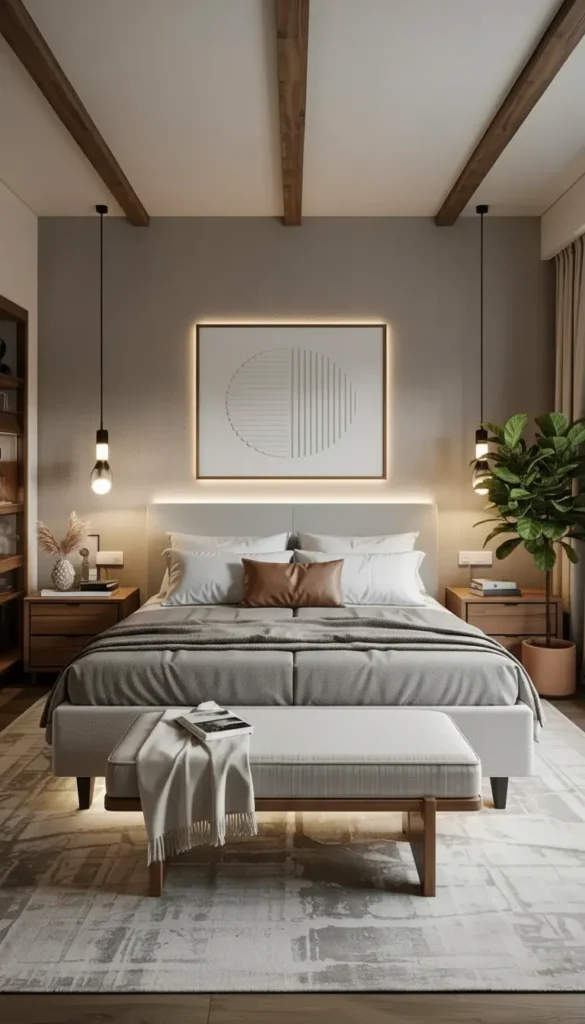
Keep nightstands low and streamlined—chunky traditional pieces will clash. A bench at the foot of the bed serves multiple purposes: extra seating, a place to lay out tomorrow’s clothes, or a landing spot for decorative throws.
Match wood tones intentionally. Not everything needs to match perfectly, but keep undertones consistent (all warm or all cool).
📌 Pin this simple bed styling strategy! 📌
Adding Depth Without Clutter
Simple doesn’t mean flat or boring. Add dimension through:
- Textured area rugs: Define the bed zone and add warmth underfoot
- Layered bedding: Mix materials like linen, cotton, and knit
- One large art piece: Above the bed creates a focal point without multiple small items
- Subtle wall panels: Behind the headboard adds architectural interest
Each element should have a purpose. If it’s just decorative, question whether it adds value or visual noise.
Storage Solutions for Simple Styles
Just because a bed looks minimal doesn’t mean it can’t be functional.
Closed storage keeps the clean aesthetic intact. Consider matching baskets that slide under the bed or a simple dresser with hidden compartments.
Avoid open shelving in the headboard—it becomes a dust collector and visual distraction. If you need headboard storage, use enclosed compartments.
The Complete Simple Bed Package
Round out your simple bed design with these finishing touches:
- High-quality mattress: Your design goal is calm and comfort—deliver on both
- Breathable bedding: Natural fibers support the minimalist aesthetic
- Warm lighting temperature: 2700K-3000K prevents that sterile feeling
- Contained storage: Everything has a place, nothing sits out
The result? A bedroom that feels intentionally designed yet effortlessly comfortable.
📌 Save this modern minimalist bedroom guide! 📌
Wooden New Bed Designs That Never Go Out Of Style
Wood beds are the investment pieces of bedroom furniture. They bring instant warmth, age beautifully, and work across virtually every design style. In 2026, wooden bed designs blend traditional craftsmanship with contemporary silhouettes, giving you the best of both worlds.
Why Wood Stands the Test of Time
Unlike trendy materials that date quickly, wood has staying power.
- Natural warmth: Softens modern interiors without feeling rustic
- Durability: Quality wooden frames last decades, not years
- Versatility: Works with metal, stone, textile, and leather accents
- Investment value: Holds resale value better than particleboard alternatives
The grain patterns and natural variations make each bed unique. You’re getting character that manufactured materials simply can’t replicate.
Modern vs. Classic Wooden Styles
The same material reads differently based on how it’s shaped.
Contemporary wooden beds feature crisp edges, straight lines, and matte or satin finishes. Think clean geometry with minimal ornament.
Classic wooden beds incorporate rounded profiles, richer stains, and sometimes subtle detailing. They lean traditional without feeling outdated.
Choose based on your overall bedroom aesthetic, not just what you like in isolation.
Material Selection: Solid vs. Engineered
Understanding wood construction helps you make smart purchases.
Solid wood offers maximum durability and that premium feel. Best for stable climates and long-term investments. Oak, walnut, and maple are excellent choices.
Engineered cores with real wood veneers provide stability in varying humidity while still looking authentic. More budget-friendly and less prone to warping.
Both work beautifully—the decision comes down to your climate, budget, and how long you plan to keep the piece.
Coordinating Wood Tones in Your Room
The biggest mistake? Trying to match everything perfectly.
Instead, keep undertones consistent. If your flooring has warm red undertones, choose a bed with similar warmth. Cool gray floors pair with cool-toned woods like ash or whitewashed oak.
The mix-match sweet spot: Two to three different wood tones maximum. More than that feels chaotic.
Finish Matters for Longevity
Not all finishes age equally.
- Matte and satin: Hide scratches and daily wear beautifully
- Glossy: Shows every fingerprint and surface imperfection
- Oiled: Requires reapplication but offers that natural, touchable feel
- Lacquered: Most durable but less authentic appearance
For bedrooms with kids or pets, skip glossy finishes. You’ll thank yourself later.
📌 Pin this wood finish selection guide! 📌
Styling Around Your Wooden Bed
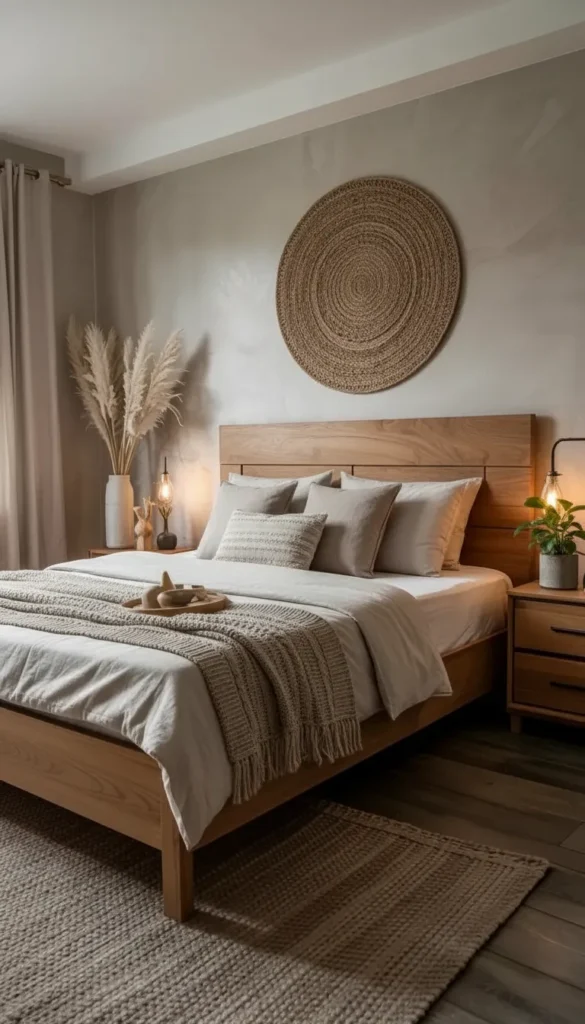
Let the wood be your anchor, then layer contrasting textures.
Woven rugs soften the visual weight and add tactile interest. Natural fiber rugs like jute or sisal work particularly well.
Linen bedding prevents the room from feeling too woody or rustic. The crisp, matte texture provides perfect contrast.
Metal accents through lighting or hardware add that contemporary edge. Black metal with warm wood creates striking contrast.
Size Considerations for Wooden Beds
Wood has visual weight—manage it strategically.
Small rooms: Choose lighter oak tones and slim legs. Avoid heavy, dark woods that make the space feel smaller.
Large rooms: A wider headboard with integrated side shelves makes a statement. You can handle richer, darker woods without overwhelming the space.
King-size beds: Consider whether you want matching nightstands or if the bed frame itself incorporates storage. Built-in nightstands reduce the furniture count.
Maintenance That Keeps Wood Beautiful
Wooden beds need minimal care to look great for decades.
- Dust weekly with a soft, dry cloth
- Avoid harsh chemical cleaners—they damage finishes
- Use coasters on nightstands to prevent water rings
- Tighten hardware annually as wood naturally expands and contracts
- Address scratches immediately with matching wood markers
A simple maintenance routine protects your investment and keeps the piece looking showroom-fresh.
Hardware and Joinery Details
These details signal quality and modernity.
Discreet joinery means you’re not seeing obvious screws or bolts. Dowel construction or hidden brackets look cleaner.
Minimal metal brackets in matte black or brushed brass add contemporary sophistication.
Corner protection matters if you have small children. Rounded corners are safer and still look modern.
📌 Save this wooden bed styling approach! 📌
New Bed Designs Inspired By Indian Interiors
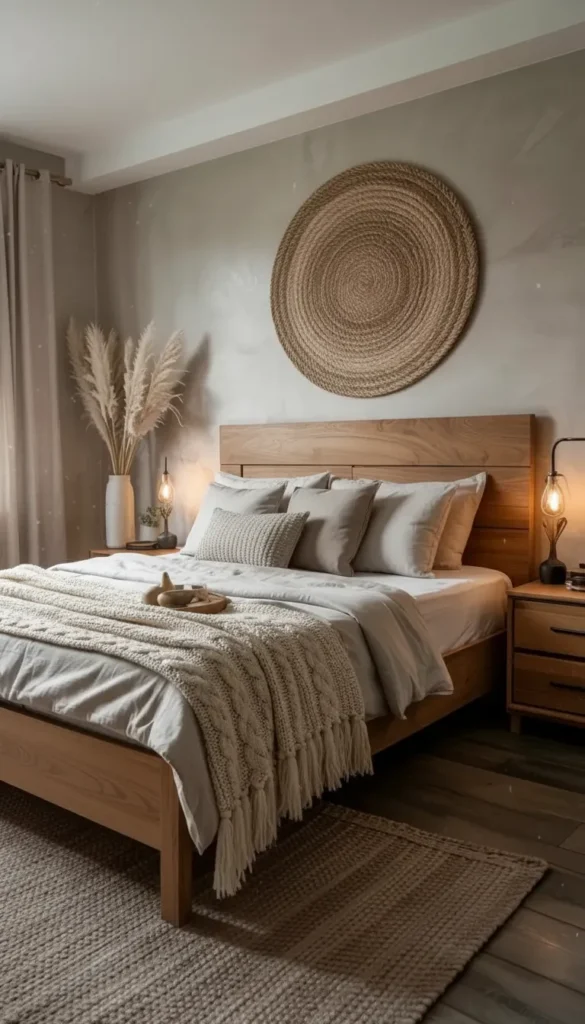
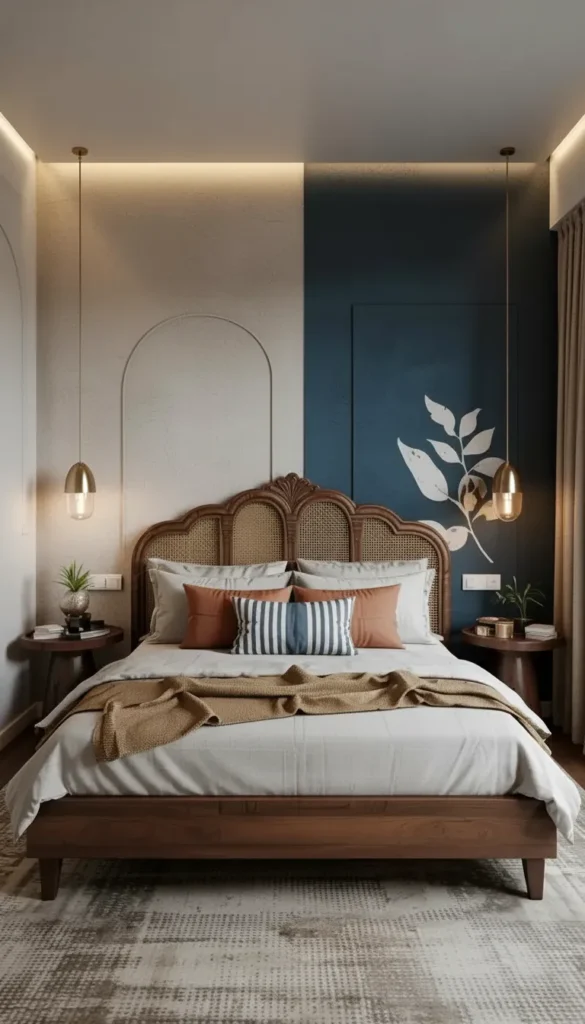
Indian-inspired bed designs are evolving beyond heavy, traditional pieces into refined contemporary furniture with cultural soul. These designs celebrate craftsmanship—carved details, cane panels, and warm wood tones—while feeling fresh and current for 2026.
The Modern Indian Aesthetic
This isn’t about recreating a traditional Indian palace bedroom. It’s about selective borrowing that feels personal and layered.
- Crafted headboards: Carved wood or woven cane panels as focal points
- Warm wood tones: Rich teaks, sheeshams, and mango woods
- Brass and bronze: Hardware and accent pieces that catch light beautifully
- Handcrafted details: Small touches that show human artistry
The key is balance. One or two craft statements keep the room interesting without becoming a themed space.
Choosing Your Focal Point
The headboard typically becomes your statement piece.
Carved wood panels work beautifully when kept to a single intricate panel rather than carving covering every surface. The detail draws the eye without overwhelming.
Woven cane inserts add texture and create beautiful shadow patterns when backlit. They’re lighter visually than solid carved wood.
Patterned inlay using different wood tones or materials creates subtle complexity up close.
Choose one statement approach. Mixing multiple ornate elements feels busy rather than curated.
Surrounding Furniture Should Step Back
Let your detailed bed shine by keeping other pieces simple.
Streamlined side tables in similar wood tones but with clean lines prevent visual competition. No carving, minimal hardware, simple silhouettes.
Plain dressers with maybe one beautiful hardware detail give your eyes a place to rest.
Minimal storage pieces keep the room functional without adding pattern or ornament.
This creates hierarchy—the bed is clearly the star, everything else supports it.
Textile Strategy for Layered Looks
How you dress the bed matters enormously with ornate frames.
Solid bedding in neutral tones lets the headboard detail shine. White, cream, warm gray, or soft taupe work beautifully.
One patterned throw or a couple of cushions introduces controlled complexity. Choose patterns that complement rather than compete with headboard carving.
Natural cotton and linen feel authentic and work in warmer climates. They also photograph beautifully with wood textures.
Avoid matching your bedding to your headboard color—the contrast is what creates visual interest.
📌 Pin this Indian-inspired bedroom balance strategy! 📌
Color Strategies That Enhance Craft
Color can either highlight or hide your beautiful crafted pieces.
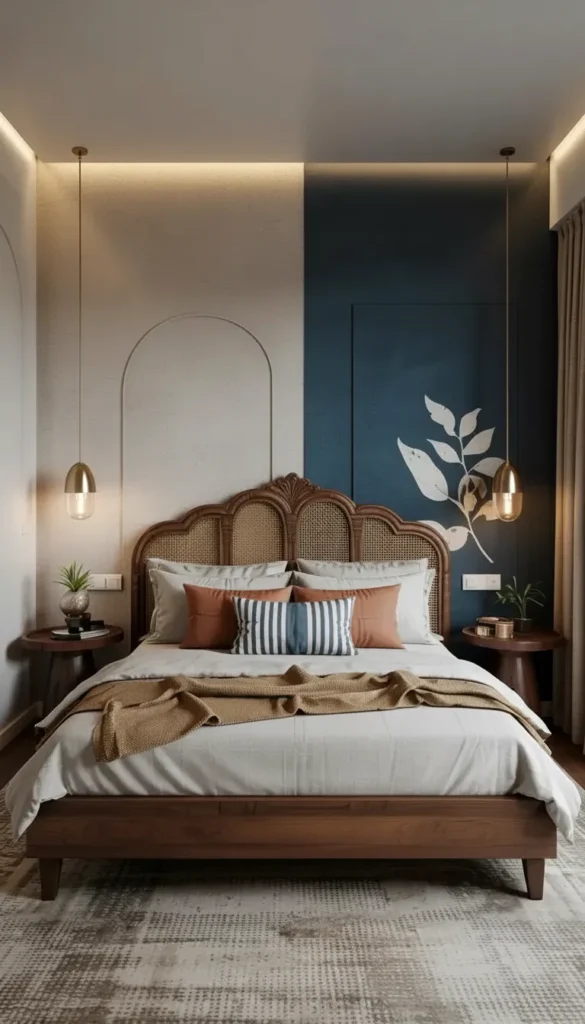
Deep blue accent walls behind carved headboards make the detail pop. The contrast between the wall and the wood creates dramatic shadow lines.
Warm neutrals throughout the room let the wood grain and carving become the texture and pattern.
Brass and bronze tones repeated in lighting, hardware, and small decor pieces tie everything together without adding more pattern.
One accent color is plenty. More than that competes with the crafted details you’ve invested in.
Lighting That Showcases Detail
Proper lighting makes or breaks carved and textured pieces.
Dimmable overhead lighting lets you control how dramatic the shadows become in carved details.
Wall sconces positioned to graze the headboard create beautiful shadow play that changes throughout the evening.
Warm bulb temperatures (2700K-3000K) enhance wood tones and make brass accents glow.
Avoid harsh, cool lighting—it flattens texture and makes warm woods look dingy.
Practical Layout Considerations
Cultural style shouldn’t compromise function.
Keep clear walkways of at least 24 inches on each side of the bed. Carved frames sometimes add visual but not functional width.
Appropriately scaled nightstands should be roughly two-thirds the width of the headboard side panels if your bed has extended sides.
Storage solutions like low trunks or carved cabinets keep the cultural aesthetic while adding function.
Avoiding Theme-Park Feel
The biggest risk with cultural inspiration is going too far.
One or two craft statements feel curated and personal. Five or six feel like a showroom.
Mix old craft with modern lighting and accessories. Pairing traditional carving with contemporary pendant lights creates interesting tension.
Keep walls relatively simple. Avoid covering them with too many decorative elements that compete with your furniture.
📌 Save this authentic cultural bedroom design method! 📌
New Bed Designs With Smart Storage Solutions
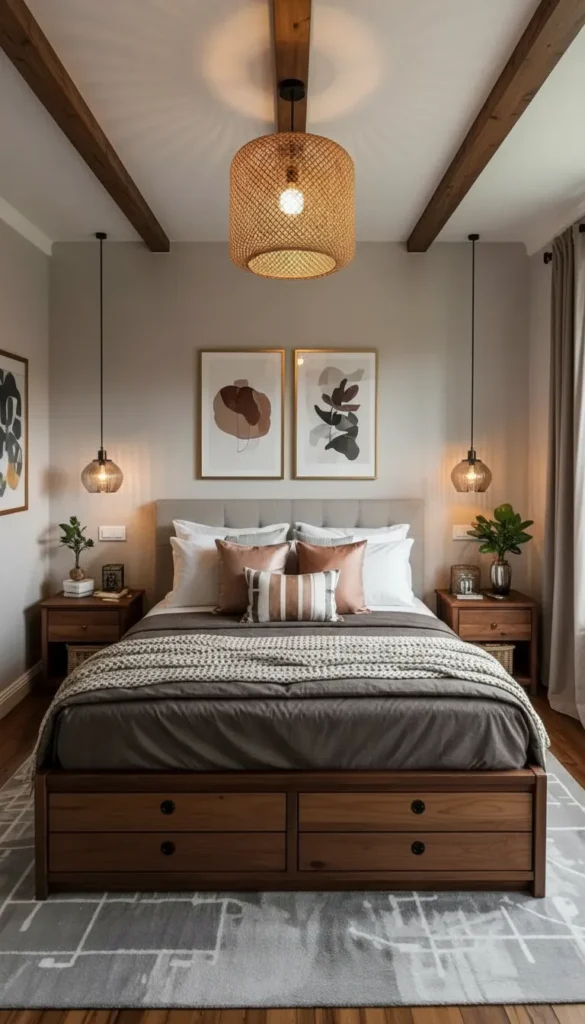
Storage beds are problem-solvers disguised as beautiful furniture. If you’re dealing with limited closet space, seasonal bedding, or just want a calmer bedroom, a well-designed storage bed changes everything. The best 2026 designs look sleek and modern while hiding substantial capacity.
Why Storage Beds Make Sense
The benefits go beyond just extra space.
- Reduces bedroom clutter: Extra bedding, off-season clothes, and bulky items disappear
- Eliminates need for additional furniture: Skip the extra dresser or storage ottoman
- Makes small rooms more livable: Uses vertical space efficiently
- Increases perceived room size: Fewer visible storage pieces means cleaner sight lines
A storage bed works hardest in small bedrooms, studios, or homes with minimal closet space.
Drawer-Based vs. Lift-Up Storage
Two main storage approaches serve different needs.
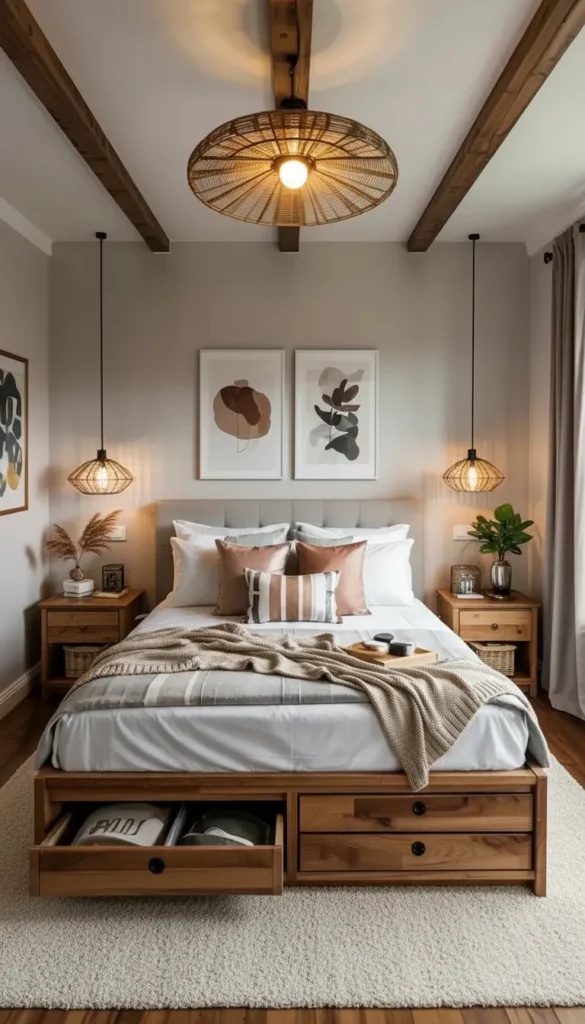
Drawer systems work when you have clearance on the sides of your bed. They’re easier to access daily and better for frequently used items.
Lift-up platforms excel in tight spaces where side clearance is limited. They offer more storage volume but require lifting the entire mattress.
Choose based on your physical ability and room layout, not just storage capacity.
Drawer Configuration Options
Not all drawer systems are created equal.
- Two large drawers: One per side, maximum capacity but heavier pulls
- Four medium drawers: Two per side, easier to organize categories
- Six small drawers: Maximum organization options, best for small items
Soft-close hardware is worth the upgrade. It reduces noise, prevents slamming, and feels high-end every single time you use it.
Keeping Visual Weight Light
Storage beds can look bulky if not designed carefully.
Pair a storage base with a simpler headboard. Balance the substantial base with clean lines up top.
Match finishes to other furniture so the storage feature doesn’t look like an afterthought. Cohesion makes even large pieces feel intentional.
Slim legs or a recessed base creates shadow lines that make the bed appear lighter despite its actual size.
📌 Pin this storage bed design approach! 📌
Organization Inside Storage Compartments
Having storage space and actually using it well are different things.
Labeled fabric bins keep categories separate. “Summer bedding,” “Winter blankets,” “Guest linens” prevents chaotic rummaging.
Most-used items in easiest spots: Put things you access weekly in the front drawers or top sections of lift-up storage.
Seasonal rotation system: Swap contents twice yearly so you’re not digging past winter coats in July.
Vacuum storage bags maximize capacity for bulky comforters and winter clothes. Just leave some compression space for natural loft.
Measuring Before You Buy
Storage beds have specific space requirements that standard beds don’t.
- Drawer clearance: Measure 20-24 inches beyond each side where drawers open
- Lift-up clearance: Ensure nothing hangs low above the bed that would block lifting
- Door swing interaction: Make sure bedroom doors don’t hit extended drawers
- Headboard depth: Some storage beds have deeper headboards—confirm total length
Walk through the full opening/closing motion in your space before committing.
Combining Storage Features
Maximize bedroom storage by layering solutions.
Wall-mounted nightstand shelves keep the floor clear when your bed already claims significant footprint.
Slim bench with internal storage at the foot of the bed adds seating plus capacity without blocking pathways.
Overhead floating shelves use vertical space without competing with bed-level storage.
The goal: sufficient storage without overwhelming your bedroom with furniture pieces.
Ventilation Considerations
Trapped air under mattresses creates problems.
Lift-up designs: Ensure there are ventilation holes or gaps. Some moisture accumulation is natural; you need airflow to prevent mold.
Drawer systems: Less concern since the mattress base typically has more airflow, but still check that there’s some breathing room.
Regular airing: Lift your mattress quarterly, regardless of bed type, to let everything breathe.
Material Durability for Moving Parts
Storage beds have more mechanical components—quality matters.
- Metal drawer slides: Far superior to plastic. Look for ball-bearing slides rated for 75+ pounds
- Hydraulic lift supports: Should lift smoothly with one hand and hold position at any height
- Easy-grip drawer pulls: Recessed handles or sturdy pulls you can grasp easily
- Reinforced corners: High-stress points should have metal brackets, not just glue
Test everything in-store if possible. Moving parts should operate smoothly and quietly.
📌 Save this smart storage bedroom solution! 📌
Black New Bed Designs For Bold Bedroom Statements
Black beds are having a major moment in 2026, and it’s easy to see why. A black bed frame creates instant structure, adds sophisticated contrast, and makes everything around it look more intentional. Done right, black feels modern and tailored without being dark or heavy.
The Power of Black as an Anchor
Black grounds your design and creates visual clarity.
- Defines the focal point: Your eye goes straight to the bed
- Provides contrast: Makes light walls and bedding pop
- Creates structure: Especially important in rooms that feel soft or undefined
- Works across styles: From industrial to contemporary to even softened traditional
Black is particularly effective if your room currently feels wishy-washy or lacks a clear design direction.
Choosing the Right Black Finish
Not all blacks are created equal.
Matte black is currently the most modern and practical. It hides fingerprints and dust better than any other finish.
Satin black offers subtle sheen that’s easier to clean than matte but less visually weighty than gloss.
Glossy black shows every fingerprint and dust particle. It’s dramatic but high-maintenance—reserve it for very deliberate, styled spaces.
For everyday bedrooms, matte is your best friend.
Material Choices for Black Beds
The material affects how modern or traditional your black bed reads.
Metal frames in black feel industrial-modern. Look for clean welds and consistent powder coating.
Wooden frames painted black bring warmth despite the dark color. The wood grain sometimes shows through slightly, adding texture.
Upholstered frames in black fabric soften the boldness. Velvet or linen upholstery makes black feel luxurious rather than stark.
Match material to your room’s existing personality.
Balancing Black with Warm Elements
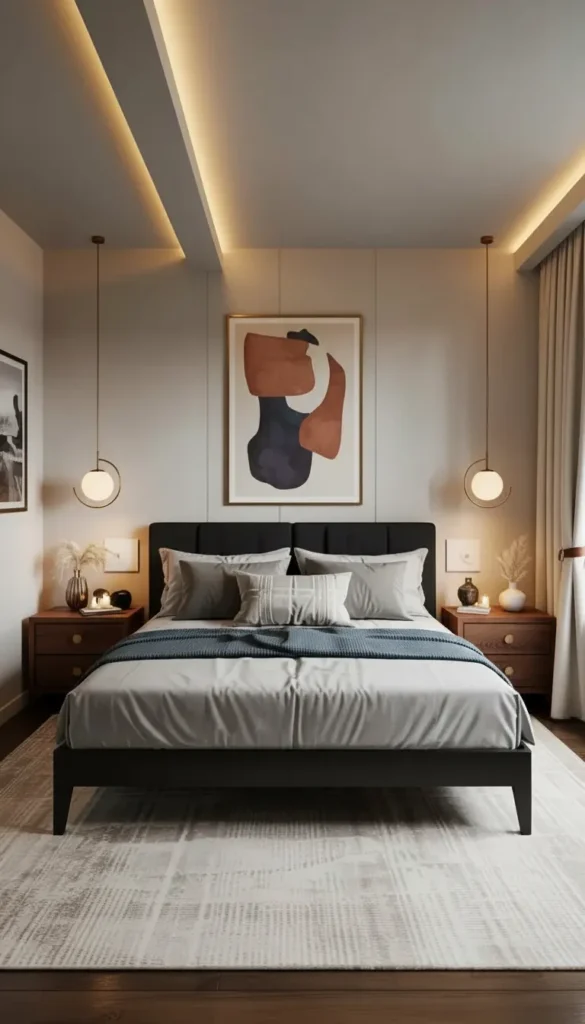
The key to non-depressing black bedrooms is strategic warmth.
Warm wood nightstands prevent the room from feeling too cool or industrial. Natural oak, walnut, or teak tones work beautifully.
Textured neutral rugs in cream, taupe, or warm gray soften the contrast and add tactile warmth.
Brass or bronze hardware on lamps, drawer pulls, and decor catches light and adds warmth without color.
Warm bulb temperatures (2700K-3000K) are absolutely essential. Cool lighting makes black beds look dingy.
📌 Pin this black bed styling technique! 📌
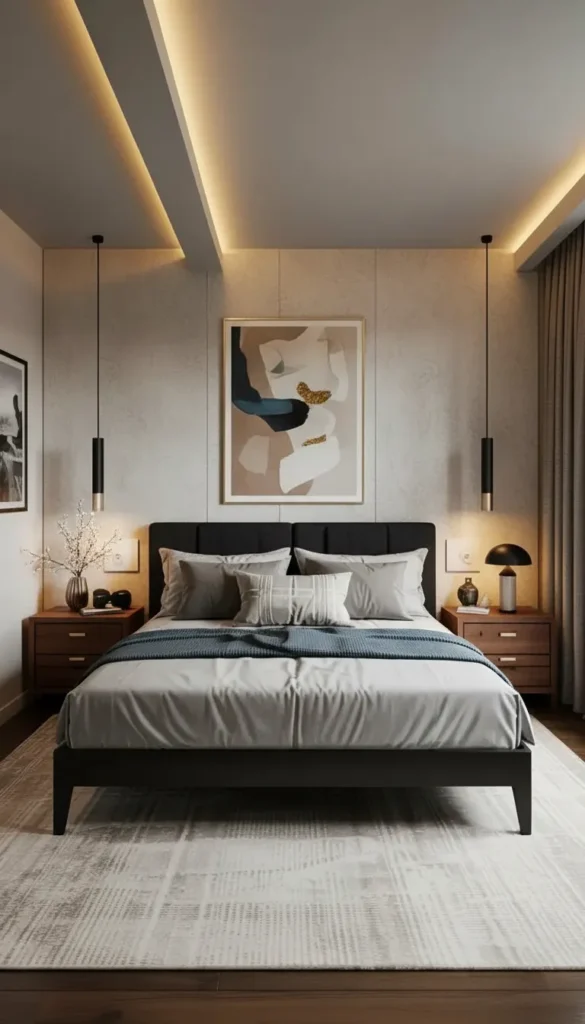
Color Accents That Work With Black
Some colors sing against black frames.
Blue creates sophisticated, modern contrast. Navy, dusty blue, and even bold cobalt work beautifully.
Warm whites and creams keep things classic and let the black frame be the bold statement.
Terracotta or rust adds unexpected warmth and a contemporary desert-modern vibe.
Forest green brings richness and a connection to nature without fighting the black.
Avoid muddy mid-tones that get lost against black. Go bold or go neutral.
Repetition Creates Cohesion
Black works best when echoed throughout the space.
- Picture frames: Mix sizes but keep them black
- Lamp bases: At least one per nightstand
- Curtain rods: Simple black rods tie the windows to the bed
- Small accessories: One or two black decorative objects
This repetition makes the bed feel like part of a complete design rather than one isolated dark piece.
Managing Visual Weight in Small Rooms
Black beds can work in small spaces with smart strategies.
Keep the bed frame low: Platform style or legs that minimize vertical bulk.
Choose a slim headboard: Wide, tall headboards amplify the visual weight.
Balance with light walls: White or pale gray walls reflect light and prevent the room from shrinking.
Add reflective elements: Mirrors, metallic accents, and glossy surfaces bounce light around.
Maximize natural light: Light, sheer curtains keep the room bright during the day.
Practical Maintenance for Black Beds
Dark finishes show dust and require regular attention.
Microfiber cloths lift dust without pushing it around. Keep one handy for quick daily touch-ups.
Avoid wet cleaning: Unless specifically needed, dry dusting preserves finishes better.
Touch-up paint pens: For matte black wood, keep a paint pen for inevitable dings.
Regular vacuuming: For upholstered black beds, vacuum weekly with an upholstery attachment.
The maintenance is worth it for the visual impact, but go in with eyes open.
Soft Textures Prevent Hardness
Balance black’s boldness with plenty of soft materials.
Upholstered headboards even when the frame is wood or metal, create a softer backdrop.
Plush bedding in natural fibers invites touch and comfort.
Layered textiles like throw blankets and varied pillow textures prevent the stark look.
Soft window treatments in linen or cotton add warmth and diffuse light beautifully.
The contrast between hard black and soft textiles creates dynamic, inviting spaces.
📌 Save this bold bedroom statement guide! 📌
Conclusion
Your bedroom deserves furniture that works as hard as it looks good. These five bed design directions for 2026—simple modern frames, timeless wooden pieces, culturally inspired craftsmanship, smart storage solutions, and bold black statements—give you clear paths forward. Each approach solves different problems and creates different moods, but they all deliver on the same promise: a bedroom that feels intentional, functional, and completely yours.
The best bed for you isn’t about following trends blindly. It’s about matching design to your actual life—your space constraints, your storage needs, your aesthetic preferences, and how you want to feel when you walk into your bedroom each day. Take these ideas, adapt them to your specific situation, and create a bedroom that supports your best sleep and your best mornings for years to come.

“I share simple, beautiful and affordable home decor ideas to help you style every corner of your home with ease.