

There is something deeply personal about stepping into a garden that feels like yours. Not just a patch of green with a few pots scattered around, but a space that reflects who you are — your warmth, your creativity, your desire for beauty and peace. If you have ever looked at your outdoor space and felt a small ache, a quiet wish that it could be more, you are not alone. That feeling is exactly where the best garden transformations begin.
In 2026, garden decorating has evolved far beyond plastic furniture and generic planters. It has become a deeply personal art form — one that blends emotion with intention, style with sustainability, and creativity with practicality. Whether you are working with a sprawling backyard or a tiny balcony, these five garden decoration ideas will help you create a space that does not just look beautiful, but genuinely feels like home.
Garden Decoration Outdoor Trends And Timeless Ideas For 2026
The most enduring gardens are never just trendy — they are thoughtfully layered spaces where current ideas meet timeless design principles. In 2026, that balance has never felt more relevant or more achievable.
What Makes a Garden Decoration “Timeless”?
A timeless garden decoration is one that continues to feel intentional and beautiful even as seasons shift and trends evolve. It is not about following every new Pinterest board or buying whatever is popular this spring. It is about choosing elements that age gracefully and adapt easily.
- Timeless pieces use natural materials — stone, wood, iron, and terracotta never go out of style
- They work across multiple seasons without needing constant replacement
- They carry a visual weight that anchors the rest of the space
- They invite layering, so you can add seasonal accents on top without disrupting the base design
The 2026 Shift: Outdoor Living Zones
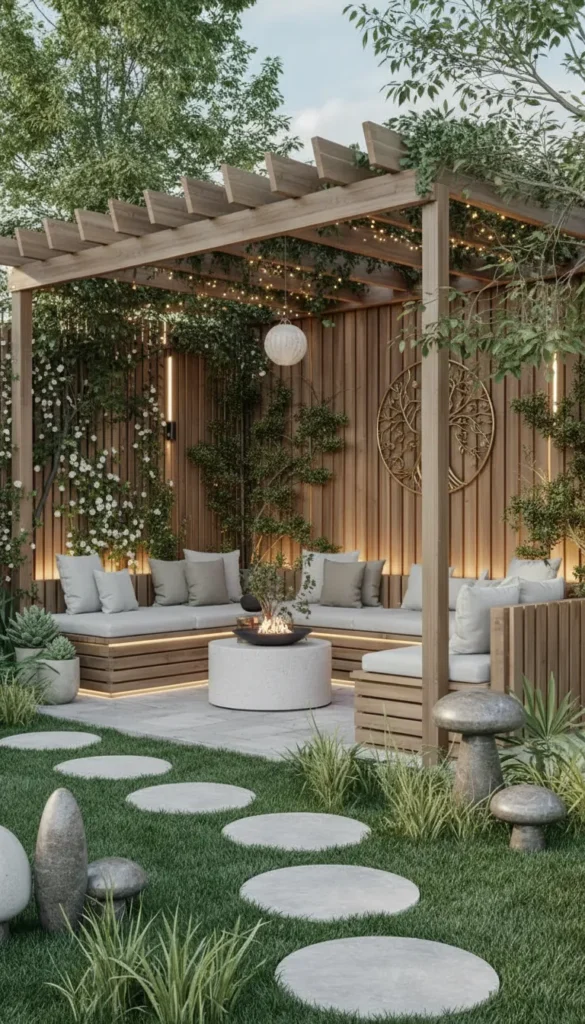
This year, the biggest trend in garden decoration outdoor design is the idea of layered living zones. Think of your garden less as a single space and more as a collection of outdoor rooms. Each zone has a purpose — relaxing, dining, gardening, or simply standing still and breathing.
- A comfortable seating zone with modular sofas and weather-resistant cushions
- A dining area framed by string lights or a wooden pergola
- A greenery zone with structured hedges or tall ornamental grasses
- A decorative focal point such as a water feature or statement planter
This layered approach prevents the garden from feeling flat or one-dimensional. It also makes the space far more functional throughout different seasons.
📌 Pin this Outdoor Trend Guide for 2026!
Materials That Work for Every Season
Choosing the right materials is the foundation of any smart garden decoration plan. In 2026, the emphasis is on durability without sacrificing aesthetics. You want pieces that look beautiful on a warm summer evening and still hold up through rain, frost, or scorching heat.
- Teak or eucalyptus wood — naturally weather-resistant and rich in color
- Powder-coated steel — rust-resistant and available in every finish
- Reconstituted stone — looks authentic, costs less, and lasts decades
- UV-resistant outdoor textiles — bold colors that do not fade under direct sun
Lighting as a Design Element, Not an Afterthought
Lighting is one of the most underestimated tools in garden decoration. Many homeowners add a few solar stakes and call it done. In reality, strategic lighting can completely transform how your garden feels after sunset.
- Use warm white bulbs (2700K–3000K) for an intimate, golden glow
- Place ground spotlights at the base of trees or tall plants to create dramatic uplighting
- Hang lanterns or festoon lights along pergola beams for a casual, romantic effect
- Use solar path lights along stone walkways for both safety and ambiance
Structured Greenery: The Design Framework
Before any decorative element goes in, greenery should define the structure of the space. In 2026, designers are focusing on intentional planting — using shrubs, hedges, and ornamental grasses as natural dividers that guide movement and frame key areas.
- Boxwood hedges create clean geometric structure
- Tall ornamental grasses like Miscanthus add movement and texture
- Climbing plants on trellises or fences add vertical interest
- Low ground cover between stepping stones softens hard surfaces
Balancing Bold Accents With Neutral Foundations
A common mistake in garden decoration outdoor design is going too bold too quickly. The most refined spaces use neutral tones as a foundation — grey stone, warm sand, natural timber — and then introduce bold accents sparingly and intentionally.
Think terracotta pots in a muted sage green garden. Or a single navy blue outdoor sofa against a backdrop of pale gravel and white blooms. The contrast creates visual excitement without chaos.
Miniature Sculptures and Playful Details
One of the most charming trends in 2026 garden decoration is the resurgence of small sculptural accents. These are not the heavy garden gnomes of decades past. Today’s decorative ornaments are modern, minimal, and often artisanal.
- Abstract stone or ceramic figures tucked among low plantings
- Mushroom ornaments arranged in clusters under trees
- Geometric metal sculptures that catch and reflect light
- Animal-inspired pieces crafted from recycled materials
Why It Works: The Psychology of a Well-Designed Garden
Studies in environmental psychology consistently show that structured, aesthetically pleasing outdoor spaces reduce stress and increase feelings of wellbeing. When your garden is organized into intentional zones, filled with natural materials, and lit beautifully at night, you do not just have a nice yard — you have a sanctuary.
That emotional return is the reason investing in quality garden decoration outdoor design is always worth it. You feel the difference every single time you step outside.
📌 Save this Timeless Garden Design Strategy!
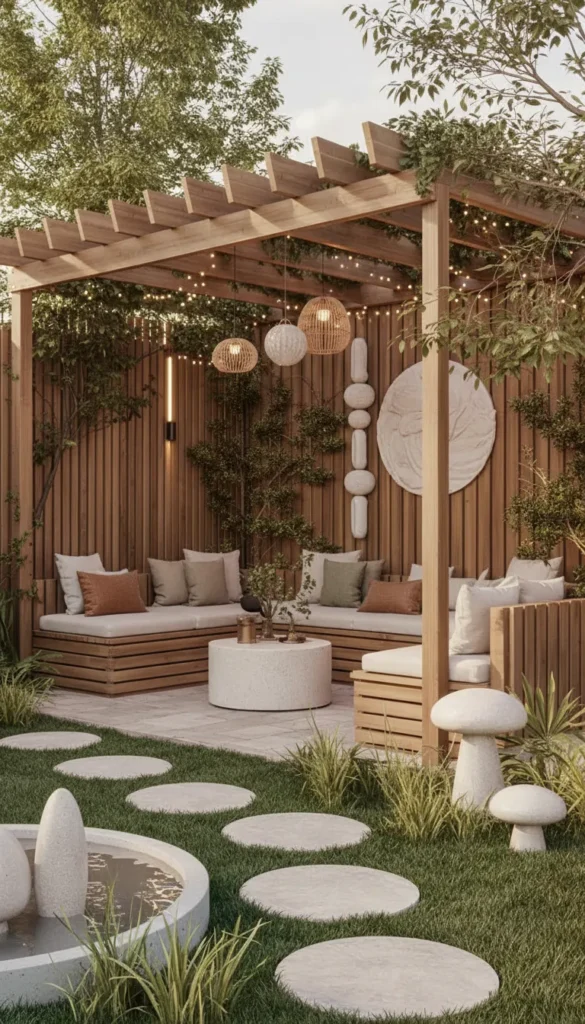
The best garden decorations are not the most expensive or the most on-trend — they are the ones chosen with intention, installed with care, and built to last through every season your life brings.
Creative Garden Decorations For A Stylish Backyard Upgrade
A stylish backyard does not happen by accident. It is the result of deliberate choices — the right heights, the right textures, the right contrast between structure and softness. Creativity, when it is intentional, transforms even the most ordinary outdoor space.
The Concept of Visual Layering
Visual layering is the design principle that makes a garden feel rich, dynamic, and professionally styled. It means arranging elements at different heights, using varied textures, and mixing materials in a way that creates depth across the entire space.
- Ground level: Low plantings, gravel paths, stepping stones
- Mid level: Raised planters, furniture, decorative screens
- Upper level: Pergolas, tall plants, wall-mounted features, hanging lights
When all three levels are addressed, the garden feels complete and considered — not flat and sparse.
Raised Planters: Form Meets Function
Raised planters are one of the best investments in creative garden decoration. They add height variation instantly, make gardening more accessible, and can be styled in dozens of ways to match any aesthetic.
- Cedar or redwood raised beds age beautifully and resist rot naturally
- Galvanized steel planters offer a modern, industrial look
- Painted concrete blocks create a bold, graphic statement
- Stack multiple heights to create a tiered planting feature
For a small backyard, a cluster of three planters at different heights creates an instant focal point without taking up much floor space.
📌 Pin this Creative Backyard Layering Guide!
Decorative Screens: Privacy and Style Combined
Decorative screens are one of the most versatile tools in garden decoration. They define space, add privacy, and serve as a stunning visual backdrop — all at once.
- Laser-cut metal screens with botanical patterns cast beautiful shadows
- Bamboo screens add a natural, organic texture and are surprisingly durable
- Painted wooden lattice panels can be trained with climbing plants
- Gabion walls filled with stone create an ultra-modern, architectural feature
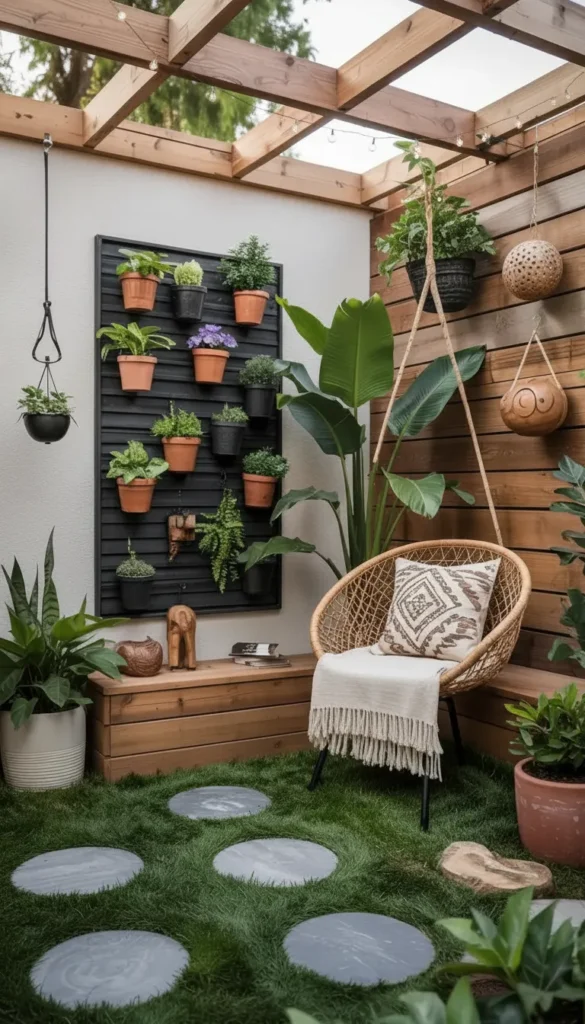
Position a screen behind a seating area to instantly create a defined outdoor room. Add a wall planter or two to the screen surface for a layered, living wall effect.
Statement Seating as a Focal Point
In a stylish backyard, seating is not just furniture — it is a design statement. A single sculptural bench or a bold hanging chair can become the centerpiece of the entire garden.
- A curved concrete bench anchors a circular lawn area
- A rattan hanging chair creates a playful, bohemian focal point
- A built-in bench along a fence line maximizes space and feels intentional
- Painted wooden benches in a bold color become instant eye-catchers
Clay Pots and Artisan Containers
Clay and terracotta pots are experiencing a major revival in 2026 garden decoration. But this is not your grandmother’s terracotta — today’s versions come in matte glazed finishes, hammered textures, and sculptural shapes that blur the line between container and artwork.
- Group pots in odd numbers (3 or 5) for a more natural, artful arrangement
- Mix finishes — matte, gloss, and weathered — for visual complexity
- Vary sizes dramatically, from small accent pots to large statement containers
- Try painting standard terracotta with outdoor chalk paint for a custom, one-of-a-kind look
Vertical Gardens for Space-Challenged Yards
If your outdoor space is small, going vertical is the smartest move you can make. Vertical gardens maximize growing space, add lush texture to bare walls, and create a dramatic visual impact out of proportion to their actual footprint.
- Wall-mounted pocket planters for herbs or trailing plants
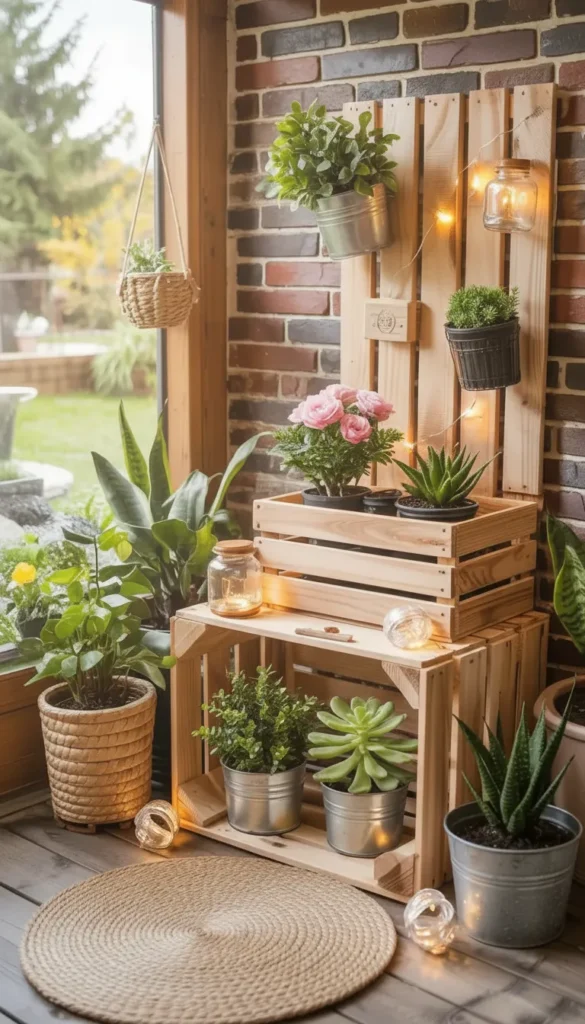
- Wooden pallet gardens — upcycled, cheap, and surprisingly beautiful
- Modular living wall panels with built-in irrigation for a hands-off approach
- Trellises with climbing roses, jasmine, or clematis for seasonal blooms
Decorative Pathways That Guide and Delight
A well-designed pathway does two things: it moves people through the garden purposefully, and it adds texture and visual interest along the way. The material you choose for your pathway sets the tone for the entire garden aesthetic.
- Irregular flagstone creates a naturalistic, cottage garden feel
- Smooth concrete pavers deliver a clean, contemporary look
- Crushed gravel in warm tones gives a relaxed, Mediterranean vibe
- Reclaimed brick adds warmth and a sense of history and permanence
Add low-growing plants between pathway stones — thyme, sedum, or Irish moss — to soften edges and add fragrance underfoot.
The Role of Color Restraint in Creative Design
Here is a counterintuitive truth about creative garden decoration: limiting your palette actually increases visual impact. When you restrict yourself to two or three complementary colors, each element stands out more clearly against the others.
Try a palette of deep green, warm white, and terracotta. Or grey, lavender, and silver. The key is consistency. Let texture, shape, and height do the heavy lifting instead of relying on color variety.
📌 Save this Stylish Backyard Design Approach!
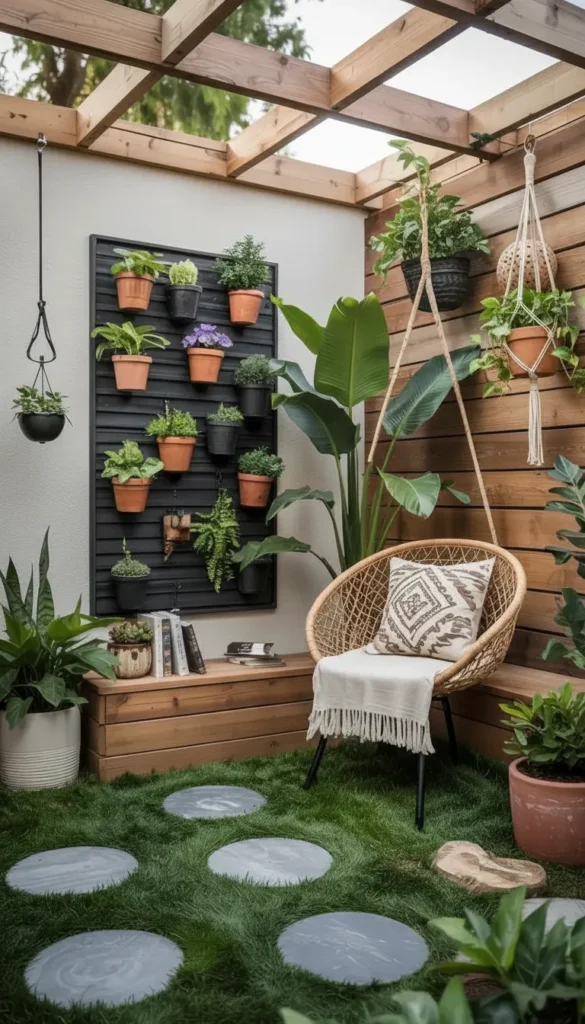
Creativity in garden design is not about using everything — it is about choosing the right things and placing them with absolute confidence. When every element earns its place, the garden becomes unforgettable.
DIY Garden Decorations That Transform Any Space Into A Personal Oasis
There is a quiet kind of pride that comes from building something with your own hands and then sitting in its shadow on a warm evening. DIY garden decorations do more than save money — they inject genuine personality into every corner of your outdoor space.
Why DIY Decor Works So Well Outdoors
Store-bought garden decorations are designed to appeal to everyone, which means they speak to no one in particular. Handmade and homemade decor carries a fingerprint — your choices, your imperfections, your creative voice.
- DIY pieces are fully customizable to your exact dimensions and style
- They create an emotional connection to the space that purchased items simply cannot
- They are often more cost-effective, especially for large statement pieces
- They can be updated or altered as your style evolves without waste
Handcrafted Planters: The Easiest Starting Point
If you are new to DIY garden decoration, planters are the perfect first project. They require minimal tools, have almost infinite design options, and make an immediate visual impact when finished.
- Concrete planters: Mix, pour, and unmold in under 24 hours — the result looks high-end and sculptural
- Painted terracotta: Sand, prime, and paint standard pots with any outdoor color — geometric patterns are especially striking
- Rope-wrapped pots: Wrap plain plastic pots in natural jute or sisal rope for an instant bohemian touch
- Hypertufa containers: Mix peat moss, perlite, and cement for lightweight, porous, genuinely beautiful planters
📌 Pin this DIY Garden Planters Method!
Repurposed Materials: Beauty From the Unexpected
Some of the most character-rich garden decorations are made from materials that have already lived a full life. Repurposing is not just sustainable — it produces decorations with history and texture that new items rarely match.
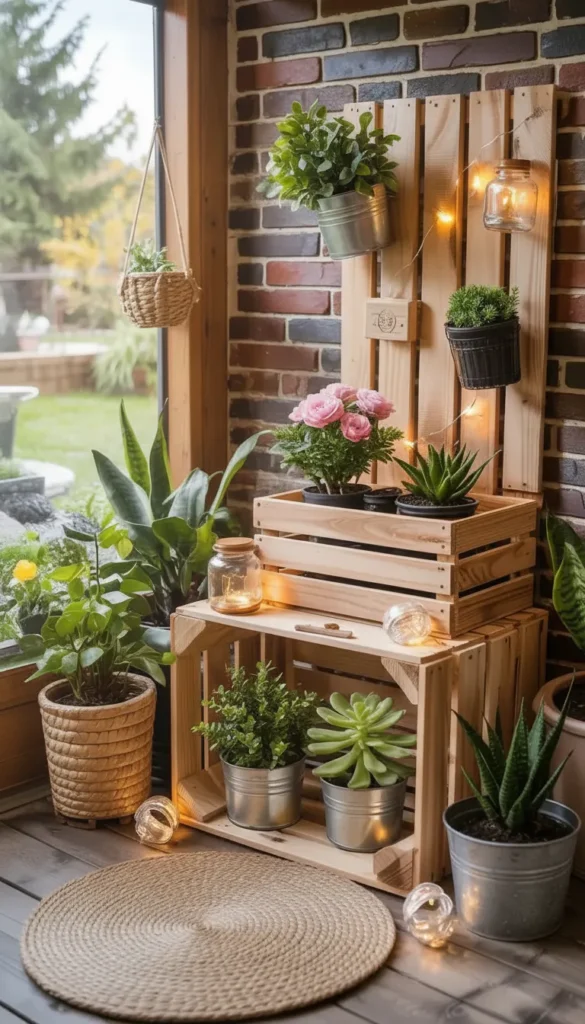
- Old wooden crates stacked and bolted together create sturdy, rustic shelving for pots and garden tools
- Wine barrels cut in half make charming large-scale planters or even small water features
- Vintage suitcases lined with plastic sheeting become quirky, conversation-starting planters
- Old wooden ladders serve as vertical plant display stands that add instant farmhouse charm
- Salvaged window frames mounted on a fence create whimsical mirrors or picture-frame moments
Fairy Light Installations: Magical, Simple, Affordable
Fairy lights are one of the most powerful tools in the DIY garden decorator’s arsenal. They are cheap, easy to work with, and create an atmosphere that is completely disproportionate to their cost.
- Fill large glass jars with fairy lights for glowing lanterns that line pathways beautifully
- Weave solar string lights through wire frames shaped like stars, moons, or geometric forms
- Drape copper wire fairy lights through branches or over a pergola for a constellation effect
- Place lights inside frosted glass bottles for a soft, diffused glow along garden edges
Always use solar-powered or low-voltage LED options outdoors. They are safe, energy-efficient, and require no wiring knowledge.
Miniature Gardens: Charm in a Small Container
Miniature gardens — sometimes called fairy gardens or trough gardens — are one of the most delightful forms of DIY garden decoration. They transform an unused container into a tiny, self-contained world.
- Use a shallow stone trough, old sink, or large ceramic bowl as the container
- Fill with free-draining compost mixed with grit or perlite
- Plant slow-growing, small-leafed plants — Thyme, Saxifrage, and Alpine Phlox work beautifully
- Add miniature furniture, tiny bridges, or smooth pebbles as decorative elements
Place miniature gardens at different heights — on a wall ledge, a step, or a low table — for maximum visual interest.
Painted Furniture: An Instant Transformation
If your garden furniture is looking tired, a can of good outdoor paint is the most cost-effective transformation available. Painted furniture can shift the entire personality of a garden space in a single afternoon.
- Sand and prime wooden furniture thoroughly before painting
- Use chalk-based outdoor paint for a soft, matte finish that photographs beautifully
- Bold choices — forest green, deep navy, burnt orange — make furniture feel intentional rather than leftover
- Seal with a UV-resistant varnish to extend the life of the paint job significantly
Material Selection: The Key to DIY Durability
The most beautiful DIY garden decoration will fail within a season if the wrong materials are used. Outdoors, the elements are relentless — UV radiation, rain, temperature swings, and humidity attack every surface.
- Always use exterior-grade wood — treated pine, cedar, or hardwood — for any structural pieces
- Seal all raw wood with an exterior wood oil or waterproof sealant before outdoor use
- Use stainless steel or galvanized hardware — standard screws and bolts will rust quickly
- Choose outdoor-rated paints and finishes specifically, not interior products
📌 Save this DIY Garden Materials Guide!
The magic of DIY garden decoration is not in the perfection of the outcome — it is in the intimacy of the process. Every piece you make carries a memory. And that makes the garden unmistakably, irreplaceably yours.
Rustic Garden Decorations With Wood And Natural Textures
There is a reason rustic garden design never truly goes out of fashion. It connects us to something primal — the warmth of raw wood, the cool weight of stone, the satisfying roughness of materials that have not been over-processed or over-designed.
What Rustic Garden Design Really Means
Rustic does not mean neglected or rough for the sake of it. True rustic design is intentional warmth — it uses natural materials skillfully to create spaces that feel genuinely grounded and inviting.
- Rustic design celebrates imperfection — knots in wood, uneven stone, weathered patina
- It prioritizes organic forms over rigid, geometric shapes
- It layers textures rather than relying on color for visual interest
- It feels comfortable and approachable, not formal or intimidating
Wood as the Foundation Material
In rustic garden decoration, wood is everything. It is the warmest of all outdoor materials and the most versatile. From rough-sawn planks to hand-carved accents, wood carries a visual richness that no synthetic alternative can replicate.
- Reclaimed timber — old barn wood, scaffolding planks, railway sleepers — adds genuine age and character
- Split log rounds make charming path stepping stones or low table bases
- Rough-hewn wooden benches tucked beneath a tree create an instantly inviting resting spot
- Driftwood pieces placed as sculptural accents introduce organic, unpredictable shapes
To maintain the rustic look while protecting the wood, use a natural-finish exterior oil — teak oil, Danish oil, or raw linseed. These preserve the wood’s natural color and grain rather than coating it in a plastic-looking varnish.
📌 Pin this Rustic Wood Garden Design Guide!
Stone Pathways: The Rustic Garden’s Backbone
Nothing anchors a rustic garden quite like a natural stone pathway. Stone is honest, permanent, and endlessly beautiful in its variation of color, texture, and form.
- Irregular limestone flags laid with wide grass joints feel ancient and settled
- Cobblestone paths add a European village charm that works beautifully in cottage gardens
- Slate stepping stones have a naturally cleft surface that provides grip and looks refined
- Crushed golden gravel between flag edges fills gaps and drains beautifully
For pathways, aim for a minimum width of 90cm (about 3 feet) to allow comfortable passage and to give the stones visual weight rather than appearing as narrow stepping stones.
Wooden Pergolas: Structure and Shelter
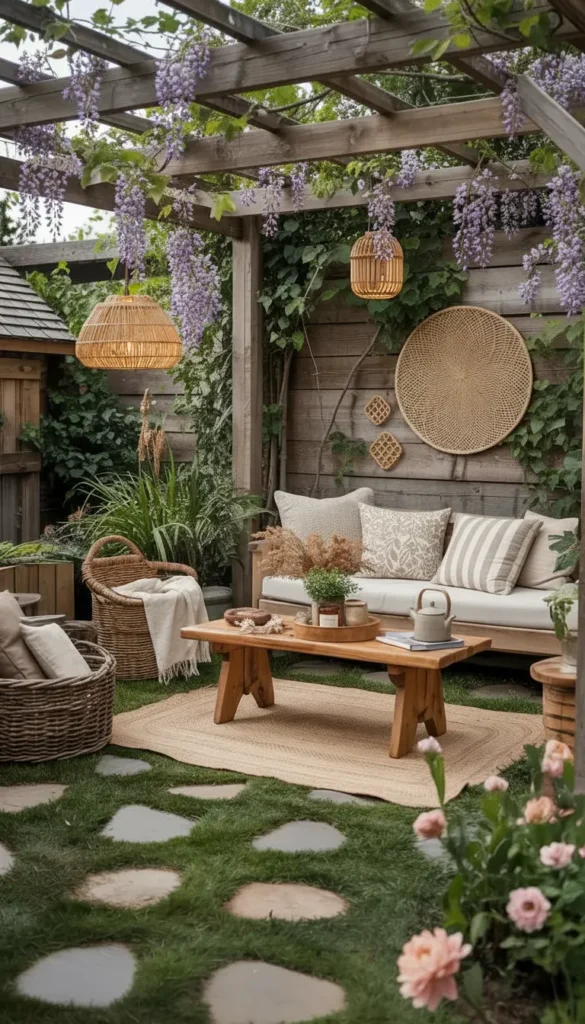
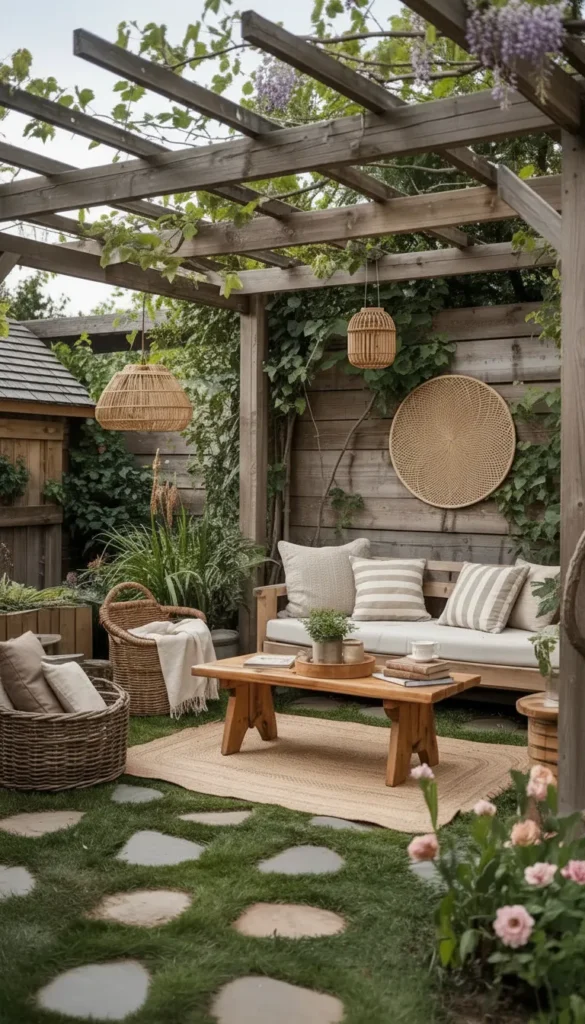
A wooden pergola is arguably the single most transformative addition to a rustic garden. It creates an instant sense of outdoor architecture — a structure that defines space, provides light shade, and gives climbing plants a beautiful framework.
- Rough-sawn oak posts feel genuinely rustic and weather to a beautiful silver-grey over time
- Space beams generously — wider gaps allow more light and give a more elegant, less closed-in feel
- Train climbing roses, wisteria, or hops along the beams for fragrance and seasonal change
- Add hanging lanterns or antique-style pendant lights to extend the pergola’s use into the evening
Lanterns and Country-Style Accessories
The finishing details in a rustic garden are what separate a well-designed space from a merely pleasant one. Country-style accessories introduce narrative and character — they hint at a life lived close to the land.
- Wrought iron lanterns with real or LED candles create warm, directional light
- Weathered wooden barrels repurposed as planters or water butts add immediate rustic authority
- Galvanized metal watering cans and buckets used as planters are charmingly practical
- Hand-forged metal hooks and brackets for wall planters or tool storage add artisan detail
Woven Textiles and Soft Furnishings
A common mistake in rustic garden design is forgetting that comfort is part of the aesthetic. The best rustic spaces balance rough materials with soft, tactile elements that invite you to sit down, slow down, and stay.
- Linen or canvas cushions in warm neutrals — oatmeal, stone, faded terracotta — soften wooden seating beautifully
- Woven rattan or seagrass table mats on outdoor dining tables add texture and warmth
- Outdoor throws in natural wool-effect fabric extend the use of seating areas into cooler evenings
- Jute or sisal outdoor rugs define seating areas and add an unexpected layer of indoor comfort
Seasonal Adaptability: Planning for Winter and Beyond
The best rustic garden decorations are chosen with the full year in mind. Many homeowners design for summer and then find the garden feels abandoned from October to March. Seasonal adaptability solves this completely.
- Choose evergreen structural plants — yew, box, holly — so the framework remains visible year-round
- A fire pit or chiminea extends garden use into autumn and winter significantly
- Position outdoor heaters strategically under the pergola for cold-weather dining
- Add winter-interest plants — ornamental grasses, Hellebores, and Snowdrops — for off-season charm
- Weatherproof lanterns and wooden decorations that work as well in December as in July
📌 Save this Rustic Garden Seasonal Design Technique!
Rustic design is not about pretending time has stood still — it is about choosing materials and forms that feel as natural in the garden as the trees and stones that were always there. Done well, it creates a space that feels like it has always existed.
Vintage Garden Decoration Ideas With Antique Charm And Character
A vintage garden tells stories. Each aged piece carries the marks of time — a patina worn smooth by decades of handling, a paint color faded to a ghost of its original self. Designing with vintage elements is one of the most emotionally resonant things you can do with an outdoor space.
The Difference Between Vintage and Antique in Garden Design
In garden decoration, the terms vintage and antique are often used interchangeably, but they carry subtly different meanings. Understanding the difference helps you design with more confidence and clarity.
- Antique typically refers to items over 100 years old with genuine historical provenance
- Vintage generally means items from 20–100 years ago that carry a nostalgic aesthetic quality
- In practice, both describe anything with aged patina and historical character
- The goal is not authenticity of age but authenticity of feeling — the sense that this piece has a life before yours
Wrought Iron Furniture: The Vintage Garden Classic
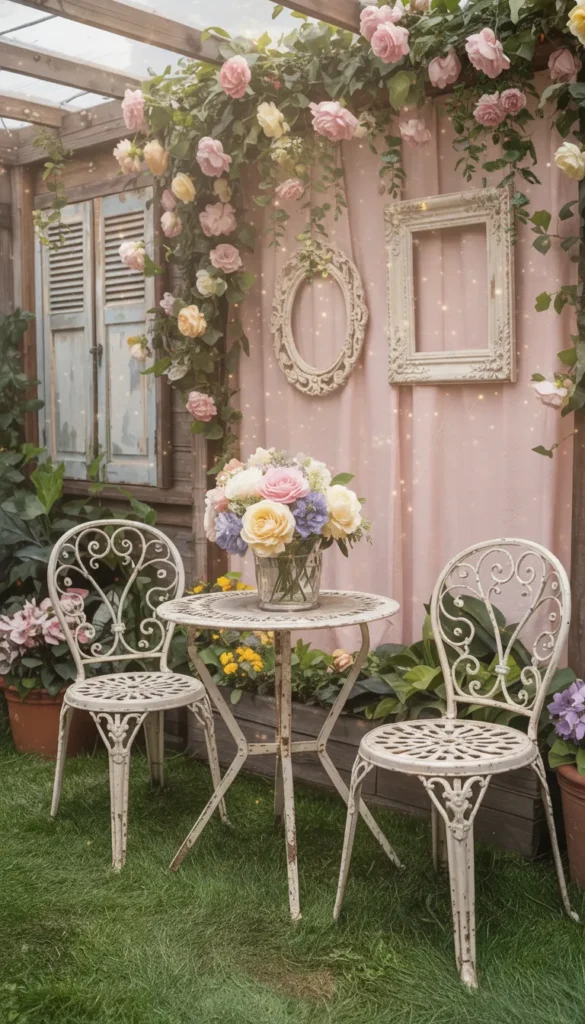
Wrought iron garden furniture is the cornerstone of vintage outdoor design. It is extraordinarily durable, develops a beautiful natural patina over time, and carries a visual weight and elegance that modern aluminum furniture simply cannot replicate.
- Look for original vintage pieces at estate sales, antique markets, and salvage yards
- Quality reproduction wrought iron pieces are widely available and virtually indistinguishable from originals
- Treat with a rust-inhibiting primer and repaint with hammered metal paint to restore and protect
- Pair with cushions in faded florals, vintage stripes, or aged linen for a cohesive period feel
📌 Pin this Vintage Garden Furniture Guide!
Distressed Wood and Aged Timber Accents
Alongside wrought iron, distressed wood is the other essential material in vintage garden decoration. The visual language of weathered, aged timber communicates permanence, history, and a slow, deliberate pace of life.
- Salvage old wooden doors and use them as decorative backdrop panels or garden gates
- Stack weathered wooden crates into display shelving for potted herbs or cut flowers
- Old wooden window shutters mounted on a wall create a charming, French farmhouse feature
- Distress new wood with a wire brush and diluted grey paint wash for an authentically aged look
Classic Garden Statues and Ornaments
Vintage garden statues are one of the most powerful design tools available to the garden decorator. A well-placed statue creates an immediate focal point, introduces vertical interest, and adds an undeniable sense of history and permanence.
- Classical stone figures — cherubs, urns on pedestals, lion heads — work beautifully in formal vintage settings
- Reconstituted stone statues are far more affordable than originals and weather to an almost identical finish
- Position statues at the end of a pathway or garden axis to create a sense of arrival and destination
- Allow moss and lichen to develop on stone surfaces — this accelerates the aged appearance naturally
To encourage moss growth on new stone, paint the surface with a thin mixture of natural yogurt and water. The bacteria in the yogurt promote moss colonization within weeks.
Decorative Mirrors and Old Frames as Garden Wall Features
Using frames, mirrors, and other wall-mounted vintage pieces in the garden is one of the most creative and unexpected decorating approaches available. It blurs the boundary between indoor and outdoor, creating a sense of whimsy and imagination.
- Outdoor-rated mirrors mounted on a wall or fence visually expand a small garden dramatically
- Old gilded picture frames mounted on a hedge or fence become whimsical garden art
- Fill frames with chicken wire and hang small terracotta pots for a living wall display
- Always seal or protect frames with exterior varnish if they are not already weatherproof
Floral Patterns and Soft Pastel Tones
Color is the final, delicate layer of the vintage garden aesthetic. Where rustic design relies on warm neutrals, vintage design embraces soft, faded pastels — colors that suggest time, sunlight, and gentle wear.
- Dusty rose, sage green, pale lavender, and faded sky blue are the quintessential vintage garden palette
- Use floral patterns on cushions, tablecloths, and pot covers to reinforce the period feel
- Plant roses — particularly climbing and old-fashioned English rose varieties — for color and fragrance
- Wisteria, lavender, and sweet peas add both visual softness and intoxicating period-appropriate scent
Small Details That Tell a Story
Vintage design lives or dies by its small details. These are the pieces that stop visitors mid-walk and invite closer inspection. They make people feel they have discovered something rather than been shown it.
- A vintage china teacup planted with succulents placed on a garden wall
- An old brass door knocker repurposed as a hook for hanging a small lantern
- A collection of antique glass bottles arranged along a sunny windowsill
- An aged wooden sign painted with a faded botanical or garden phrase
- A vintage bird cage planted with a trailing ivy or small fern
Maintenance: Protecting Vintage Elements Outdoors
Vintage and antique garden pieces require more careful management than modern, purpose-built outdoor items. But with the right maintenance approach, they will reward you with decades of use and ever-deepening character.
- Metal pieces: Check annually for rust, treat immediately with rust converter, and repaint with metal primer and exterior paint
- Wooden pieces: Oil with linseed or teak oil annually; store or cover during extended wet winters
- Stone and ceramic: Seal with a breathable stone sealant to prevent frost damage in colder climates
- Fabric elements: Choose fade-resistant, outdoor-rated fabrics and store cushions indoors when not in use
Remember that some weathering is desirable and beautiful in vintage design. The goal is not to keep everything looking brand new — it is to allow graceful aging while preventing actual deterioration.
📌 Save this Vintage Garden Maintenance Approach!
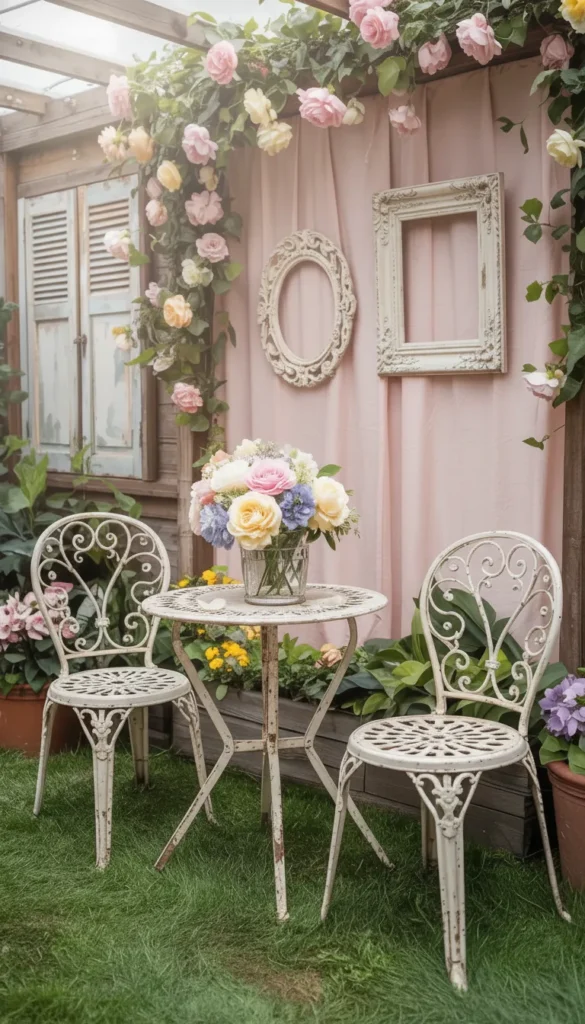
A vintage garden is not a museum — it is a living space that honors the past while remaining fully present. The best vintage garden decorations are the ones that feel like they have always belonged there, as though the garden grew up around them and claimed them as its own.
Conclusion
Whether you are drawn to the clean lines of a contemporary outdoor living zone, the handmade warmth of a DIY oasis, the grounded authenticity of rustic natural textures, or the storytelling richness of vintage antique pieces, one truth holds across all five approaches: the most beautiful gardens are the ones that reflect the person who tends them.
In 2026, garden decoration is not about following trends blindly or spending a fortune on designer pieces. It is about making intentional choices — choosing materials that last, designs that adapt, and details that mean something to you. Start with one idea from this guide, execute it well, and let the garden evolve from there. The best outdoor spaces are never finished. They just keep becoming more themselves.

“I share simple, beautiful and affordable home decor ideas to help you style every corner of your home with ease.