

There is something deeply emotional about a kitchen that truly feels like yours. It is where your mornings begin, where you feed the people you love most, and where summer memories are quietly made between the sizzle of a grill and the laughter of friends. If you have been dreaming of a kitchen that does not just function but actually inspires you, you are in exactly the right place.
In 2026, summer kitchen design has evolved into something breathtaking — a beautiful marriage of comfort, beauty, and smart functionality. Whether you are reimagining your indoor cooking space or building an outdoor kitchen that becomes the heart of your backyard, these five ideas will show you what is truly possible. Get ready to fall in love with your kitchen all over again.
Modern Minimalist Summer Kitchen Design With Neutral Tones
A minimalist summer kitchen is not just a design trend — it is a lifestyle upgrade. When you strip away the clutter and focus on clean lines and breathable space, something magical happens: cooking becomes calmer, entertaining becomes easier, and your kitchen finally feels like a sanctuary rather than a storage room. This design philosophy works beautifully for both indoor and outdoor-transitional kitchen spaces.
Why the Neutral Palette Works So Well
The foundation of this design is a carefully chosen neutral palette. Think soft beige cabinetry, warm white countertops, and light wood textures that catch natural light and bounce it around the room.
- Soft beige tones create warmth without visual heaviness
- Light wood accents add organic texture and natural comfort
- White countertops reflect sunlight, making even small kitchens feel airy
- Matte finishes eliminate harsh reflections and feel sophisticated
This color combination is timeless, which means your investment in this design will not look dated in five years. Publications like Architectural Digest consistently spotlight neutral kitchens as the most enduring and satisfying long-term choice for homeowners.
The Power of Open Space and Hidden Storage
One of the most important principles of minimalist design is that empty space is not wasted space — it is intentional space. Every surface you leave clear becomes a breathing room for the eye.
- Install floor-to-ceiling cabinetry with push-to-open mechanisms for zero hardware clutter
- Choose an integrated appliance package so your refrigerator, dishwasher, and oven blend into the cabinetry
- Use a deep drawer system beneath the island to hide pots, pans, and small appliances
- Install pull-out pantry towers to eliminate countertop jar collections
The goal is a kitchen where everything has a home. When you open a drawer, it is organized. When you close it, the surface above is perfectly clear. This is what separates a good minimalist kitchen from a truly great one.
Island Design That Does Double Duty
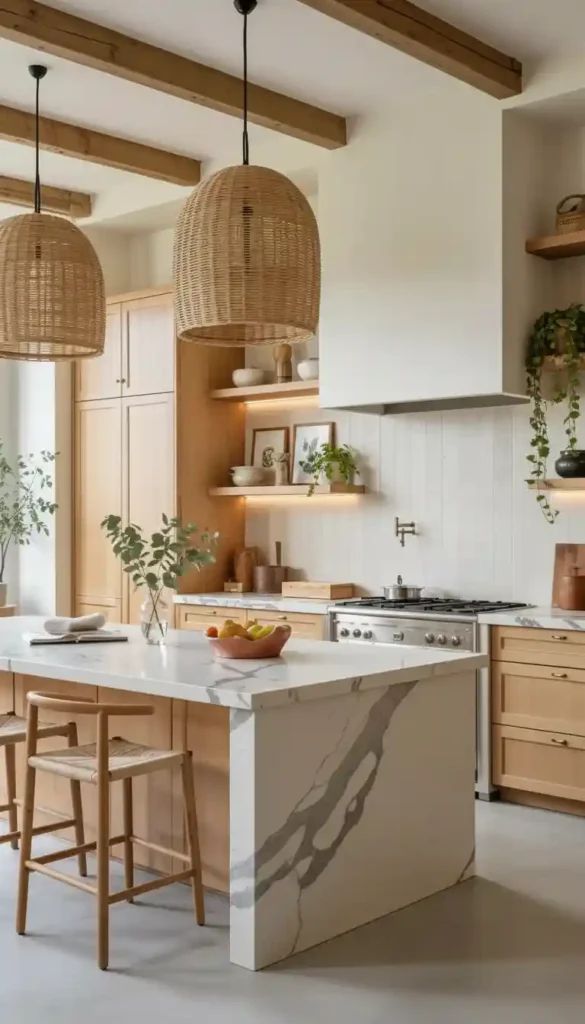
The island is the centerpiece of this style. Keep it streamlined and purposeful with integrated seating, hidden storage, and minimal decorative touches that still feel warm.
- Choose an island waterfall countertop in quartz or marble for visual drama without busyness
- Add light wood stools with clean lines — avoid chunky or ornate designs
- Style the island surface with just one ceramic vase or a small bowl of seasonal fruit
- Install under-island USB charging ports and hidden outlets for modern convenience
Pin this minimalist kitchen design strategy! 📌
Smart Decor Without Clutter
Minimalist does not mean cold or empty. The right decor additions can make this kitchen feel genuinely inviting while maintaining its clean aesthetic.
- Drape a single linen hand towel over the oven handle — it adds softness and warmth
- Place sheer curtains at windows to diffuse harsh summer sunlight naturally
- Use a wooden tray on the counter to corral a few essential oils or a small plant
- Add a subtle pendant light with a warm-toned bulb above the island for evening ambiance
Layered Lighting That Transforms the Space
Lighting is the secret weapon of minimalist kitchens. Because there is less decorative distraction, the right lighting architecture becomes the design.
- Recessed ceiling lights for clean ambient illumination without fixtures cluttering the space
- Under-cabinet LED strips for practical task lighting during food prep
- A single statement pendant above the island as the room’s focal point
- Dimmer switches on every circuit so the mood can shift from breakfast to dinner party
When you get the lighting right in a minimalist kitchen, the space transforms completely at different times of day. This adaptability is one of the great hidden values of this design.
Textured Backsplash for Subtle Depth
A minimalist kitchen benefits enormously from one carefully chosen textural element. The backsplash is the perfect place for it.
- Choose large-format tiles in a subtle tone-on-tone pattern
- Consider handmade ceramic tiles with slight irregularities for an artisan quality
- A vertical brick layout in a neutral shade adds geometry without overwhelming color
- Keep grout lines thin and grout color matched to tile for a seamless, continuous look
Why Simplicity Improves Everyday Life
Beyond aesthetics, the minimalist kitchen delivers measurable practical benefits that make daily life genuinely easier.
- Cleaning takes half the time because there are fewer surfaces and fewer objects to clean around
- Cooking is less stressful in a calm, uncluttered visual environment
- Organization stays effortless when every item has a designated home
- The kitchen photographs beautifully for those who love to share their space on social media
Save this minimalist kitchen transformation guide! 📌
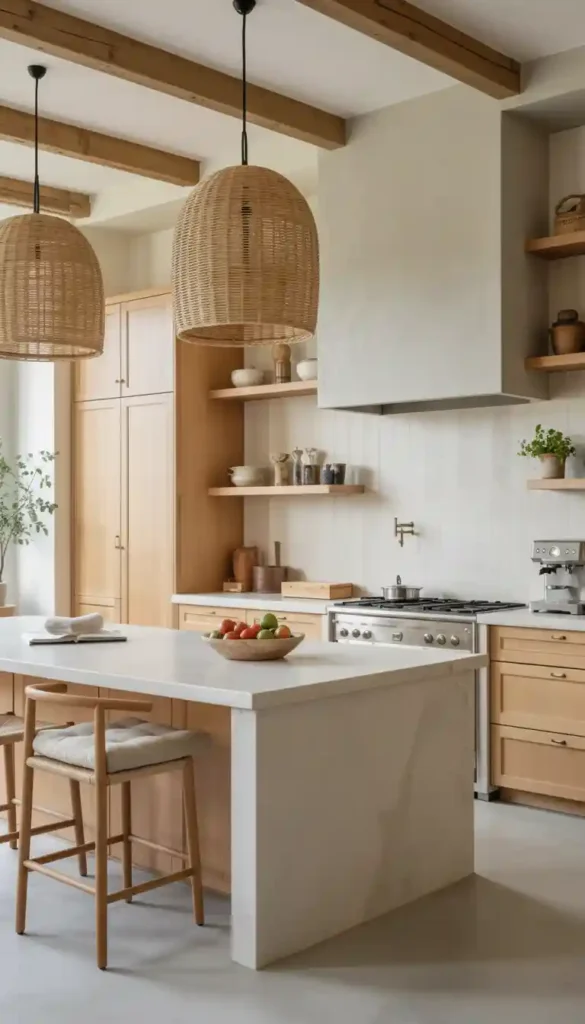
The modern minimalist summer kitchen is not about sacrifice — it is about choosing quality over quantity, intention over impulse. When every element earns its place, the result is a kitchen you will genuinely love spending time in every single day of the summer and beyond.
Outdoor Summer Kitchen With Pergola And Grill Area
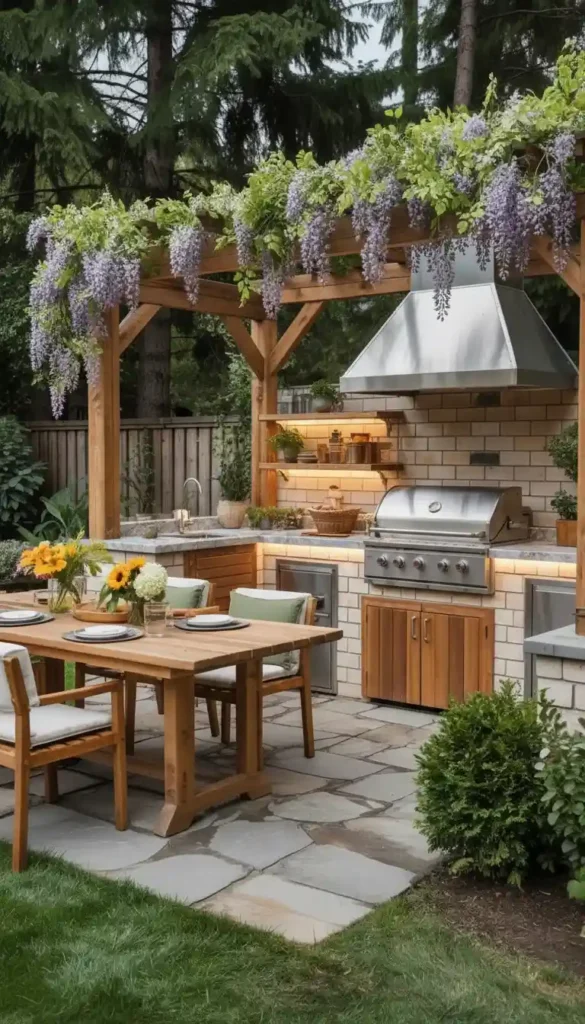
An outdoor summer kitchen with a dedicated pergola and grill zone is one of the most transformative investments you can make in your home. It turns your backyard from a passive space into an active destination — a place where cooking, dining, and living happen seamlessly together under open sky. This is not just a kitchen; it is an experience.
Choosing the Right Pergola Structure
The pergola is the architectural backbone of your outdoor kitchen. Getting it right sets the tone for everything else.
- Aluminum pergolas with adjustable louvered roofs allow you to control shade and rain protection
- Cedar or Douglas fir pergolas offer natural warmth and age beautifully over time
- Vinyl pergolas require almost zero maintenance and resist weather exceptionally well
- Aim for a minimum 12×16 foot footprint to comfortably accommodate a grill, prep counter, and dining table
The pergola should be positioned to take advantage of natural shade during peak afternoon heat. In most US regions, a south or southwest-facing pergola benefits most from natural sun movement, keeping the cooking zone comfortable through the hottest hours.
Designing the Grill Zone for Performance
The grill area is the functional heart of your outdoor kitchen. Design it for cooking performance first, then aesthetics.
- Install a built-in gas grill with at least 40,000 BTU output for serious cooking capacity
- Leave 18 inches of prep counter space on each side of the grill — this is non-negotiable for safety and usability
- Choose stainless steel or granite countertops that withstand outdoor temperatures and UV exposure
- Add a side burner for sauces, side dishes, and boiling water without going back inside
- Install a grill cover or drop-down door for weather protection when not in use
Pin this outdoor grill zone design! 📌
Creating Defined Cooking, Dining, and Lounging Zones
The best outdoor kitchens work because they organize three distinct activities without confusion. Each zone should feel intentional.
- Cooking zone: Built-in grill, prep counter, storage underneath, and task lighting overhead
- Dining zone: Weather-resistant table positioned under the deepest part of the pergola
- Lounging zone: Comfortable seating group positioned to face the cooking area so guests can socialize while you cook
Defining these zones with different flooring materials is a powerful design trick. Use natural stone pavers under the cooking zone, composite decking under dining, and loose gravel or artificial turf at the lounge area for a clear visual separation that feels cohesive.
Choosing Materials Built to Last
Outdoor kitchens face the elements year-round. Material choices make or break the long-term investment.
- Marine-grade stainless steel for all cabinet frames and door panels
- Granite or porcelain countertops rated for outdoor use — avoid natural marble which stains outdoors
- Teak or powder-coated aluminum furniture for dining and lounging zones
- Weatherproof outdoor cabinetry with rubber gaskets to seal against moisture and insects
Smart Storage for Outdoor Functionality
Storage is often overlooked in outdoor kitchen planning. Getting it right means you never have to run inside mid-cook.
- Install pull-out drawers below the counter for grilling tools, tongs, and spatulas
- Add weatherproof cabinet doors with locks for propane tanks and cleaning supplies
- Include small hooks on the pergola posts for hanging towels and oven mitts
- Build a compact shelving unit for plates, condiments, and serving ware within arm’s reach of the grill
Lighting That Extends the Outdoor Kitchen Into the Evening
One of the most underutilized opportunities in outdoor kitchen design is evening lighting. Done well, it transforms your space into something truly magical after sunset.
- String lights strung across the pergola beams create a warm, festive ambiance
- Recessed LED path lights along the perimeter define the space safely
- Under-counter LED strips provide practical task lighting at the cooking zone
- A statement outdoor pendant above the dining table anchors the dining zone beautifully
Adding Greenery to Soften the Structure
Plants transform an outdoor kitchen from a construction project into a living space that feels genuinely connected to nature.
- Train climbing vines up the pergola posts for a lush, romantic quality
- Plant fragrant herbs in raised planters near the cooking zone — basil, rosemary, and mint are perfect
- Place potted olive trees or bay laurels at the corners of the pergola for a Mediterranean feel
- Add seasonal flowering plants in lightweight planters that can move with the weather
Save this outdoor summer kitchen setup guide! 📌
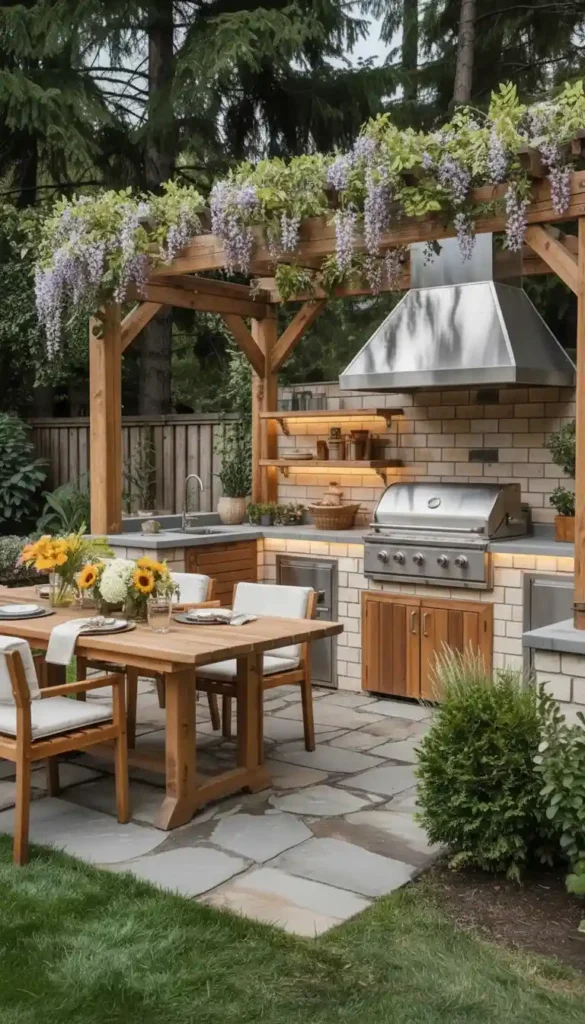
An outdoor summer kitchen with a pergola is not just a home improvement project — it is a lifestyle investment that pays dividends every single summer. The key is designing it to be as functional as your indoor kitchen, as comfortable as your living room, and as beautiful as a destination you never want to leave.
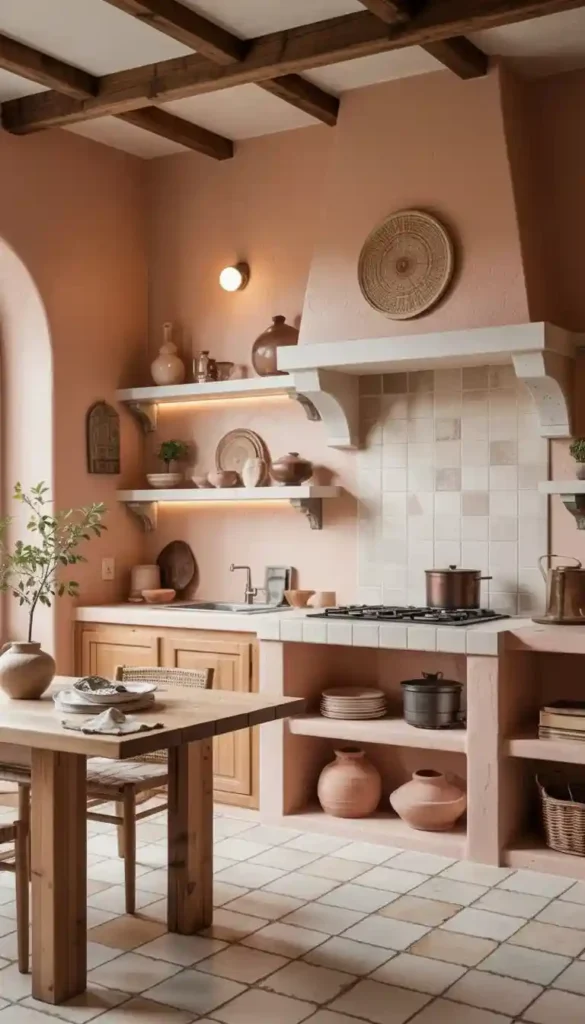
Mediterranean Style Summer Kitchen With Warm Textures
If you want a summer kitchen that feels rich, soulful, and completely alive with character, the Mediterranean style delivers like nothing else. It is a design language built on warmth, handcrafted beauty, and the kind of relaxed elegance that makes cooking feel like a pleasure rather than a chore. This style works beautifully for both indoor kitchens and transitional outdoor spaces.
The Color Foundation of Mediterranean Design
Mediterranean kitchens draw their color palette directly from the landscape — sun-baked earth, whitewashed walls, deep terracotta, and the warm gold of afternoon light.
- Terracotta orange for accent tiles, pot displays, and small decor accessories
- Warm white or cream for main cabinetry and wall surfaces
- Deep olive green for cabinet hardware, small appliances, or a feature island
- Aged bronze or brass for all metal fixtures, faucets, and handles
This palette is naturally warm and inviting. It performs especially well in summer kitchens because these earthy tones interact beautifully with natural light, creating a space that feels genuinely different in the morning, at midday, and in the golden hours of evening.
Choosing Authentic Textures and Materials
Texture is everything in Mediterranean design. Without it, the style falls flat into mere imitation.
- Handmade terracotta floor tiles with slight variations in tone and texture for authentic character
- Rough-plastered walls in warm white that catch light differently throughout the day
- Solid wood beams or faux beam treatments on the ceiling for rustic warmth overhead
- Natural stone countertops — limestone or travertine work better than marble in this style
Pin this Mediterranean kitchen texture guide! 📌
Open Shelving as a Design Feature
In Mediterranean kitchens, open shelving is not a compromise — it is a design statement. When styled well, it becomes one of the most beautiful elements of the space.
- Install thick wooden shelves with visible grain and natural oil finish
- Display handmade pottery in earth tones — bowls, pitchers, and plates
- Add glass jars filled with dried pasta, grains, or legumes for organic visual texture
- Include a few trailing plants like ivy or pothos to soften the shelving edges
- Leave deliberate gaps between objects — overcrowding kills the effect
The Dining Table as the Heart of the Space
In Mediterranean culture, the table is sacred. The kitchen dining table in this style deserves serious design attention.
- Choose a solid wood table with a worn or distressed finish — avoid glass or chrome
- Use woven rattan or rush-seat chairs for authentic tactile warmth
- Style the center with an olive branch arrangement, fresh herbs in a terracotta pot, or ceramic candleholders
- Add a linen tablecloth in a warm neutral for everyday casual elegance
Lighting That Captures the Mediterranean Mood
Mediterranean lighting mimics the warm, amber quality of afternoon sun on whitewashed walls. It is never harsh and always inviting.
- Choose warm 2700K bulbs throughout — cooler temperatures kill the effect
- Install lantern-style pendant lights over the island or dining table
- Add wall-mounted sconces in aged bronze for ambient kitchen lighting
- Use candlelight freely — pillar candles in clay or brass holders are perfect finishing touches
Patterned Tile as the Signature Element
If there is one single design choice that most defines a Mediterranean kitchen, it is the backsplash tile. This is your moment to be bold and specific.
- Classic Zellige tiles from Morocco in a hand-cut installation for genuine artisan quality
- Spanish encaustic cement tiles in geometric patterns for a more structured look
- Blue and white Delft-inspired tiles for a lighter, coastal Mediterranean feel
- Keep the grout color intentional — use a contrasting grout to celebrate the tile pattern
Adding Aromatics and Herbs to the Space
A Mediterranean kitchen is not just seen and touched — it is smelled. Integrating aromatic plants into the kitchen design is both functional and deeply sensory.
- Mount a simple herb wall rack near the window with rosemary, thyme, oregano, and basil
- Place a large terracotta pot of lavender on the windowsill for fragrance and color
- Keep a small olive tree in a ceramic pot as a living sculpture near the kitchen entrance
Save this Mediterranean kitchen design approach! 📌
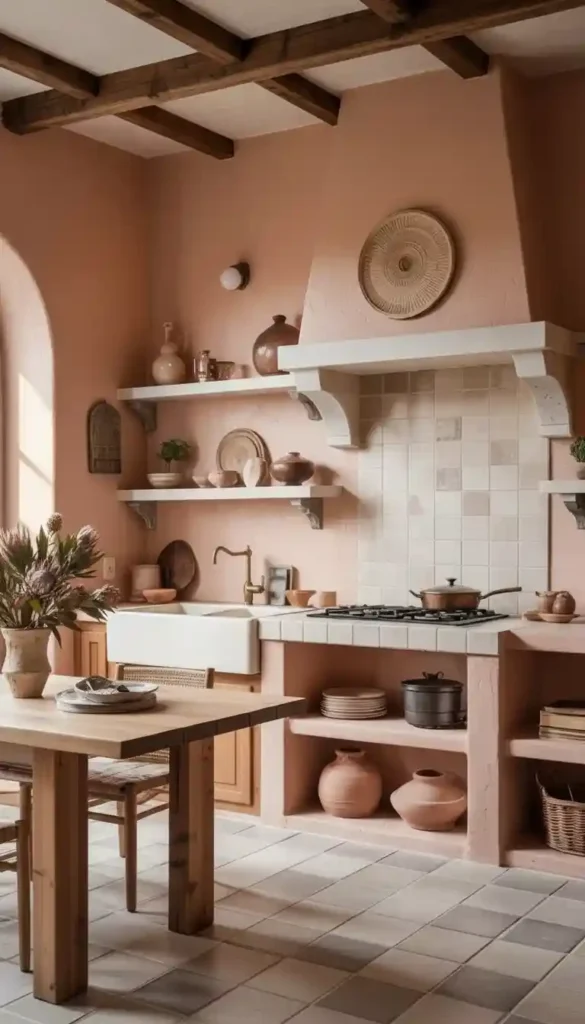
The Mediterranean summer kitchen is a reminder that the best spaces in life are not about perfection — they are about warmth, character, and the feeling that time moves a little more slowly there. When you design this kitchen well, it becomes more than a room. It becomes a destination within your own home.
Compact Indoor Summer Kitchen With Smart Storage
Small kitchens are not limitations — they are opportunities. When you approach a compact indoor summer kitchen with creativity and intention, you can create a space that is just as functional, just as beautiful, and arguably more satisfying than a large kitchen that is poorly organized. The key is working with the space you have, not wishing for space you do not.
The Foundational Principle: Every Inch Earns Its Place
In a compact kitchen, there is no room for anything that does not serve a clear purpose. This discipline, applied consistently, produces surprisingly spacious results.
- Measure everything before purchasing any furniture, appliance, or storage solution
- Choose only appliances that are used at minimum three times per week — everything else stores elsewhere
- Apply the “one in, one out” rule to kitchen tools — replacing rather than accumulating
- Digitize recipes to eliminate cookbooks cluttering countertops and shelves
Light Colors and Reflective Surfaces That Open the Space
Visual spaciousness is just as important as physical spaciousness in a small kitchen. Strategic color and material choices can make a compact kitchen feel significantly larger.
- Paint cabinetry in soft white or pale sage to maximize reflected light
- Choose high-gloss cabinet finishes — they bounce light like a mirror without looking cold
- Install a mirrored or glass tile backsplash that visually doubles the depth of the space
- Use handleless cabinet doors to eliminate visual interruptions across the cabinet run
Pin this compact kitchen design solution! 📌
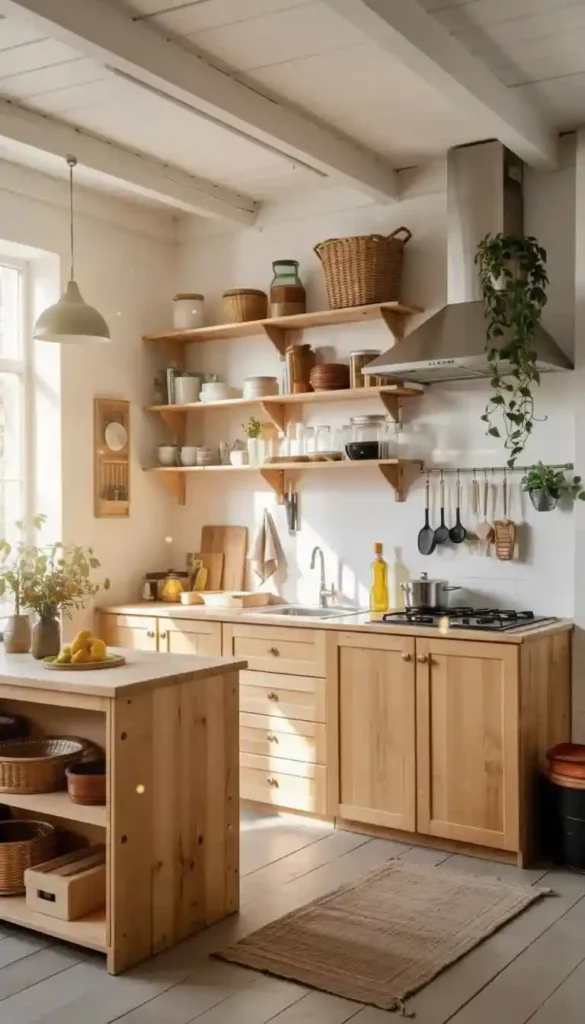
The Multi-Functional Island: Your Secret Weapon
In a compact kitchen, a well-designed island is often the difference between a kitchen that works and one that constantly frustrates.
- Choose an island on locking casters so it can be repositioned for cooking vs. entertaining
- Specify deep pull-out drawers on two sides for cookware, baking supplies, and linens
- Install a butcher block top that doubles as a chopping surface without needing a separate cutting board
- Add two bar stools that tuck completely under the island when not in use
A well-specified island at 36 inches high can replace multiple pieces of furniture — a prep table, a storage unit, and an informal dining spot — all in one compact footprint.
Vertical Storage: The Untapped Resource
Most compact kitchens fail because they only think horizontally. The vertical dimension — from countertop to ceiling — is often completely ignored.
- Install open shelving from counter height to ceiling for a dramatic storage gain
- Use pegboards inside cabinet doors to store lids, graters, and small tools
- Add magnetic knife strips and magnetic spice racks on wall surfaces to free drawer space
- Install a ceiling-mounted pot rack directly above the island or stove for zero-footprint cookware storage
Smart Appliance Choices for Compact Kitchens
Appliance selection is critically important in a compact summer kitchen. The wrong choices can consume space and energy inefficiently.
- Choose a 24-inch slimline dishwasher rather than a standard 30-inch model
- Select a counter-depth refrigerator that sits flush with your cabinet run
- Install a slide-in range rather than a freestanding model to eliminate side gaps that collect debris
- Consider a drawer-style microwave built into the cabinetry below counter height to keep the upper zone clear
Organized Tray Decor for Surface Clarity
One of the most powerful organizational tools in a compact kitchen is the humble tray. Used strategically, it corrals small items and makes countertops look intentional rather than cluttered.
- Place one wooden tray near the stove holding oil, salt, and your most-used spice
- Use a small marble tray near the sink for dish soap, a sponge holder, and a small plant
- Corral all breakfast items — coffee, a small jar of granola, a bowl — on a dedicated breakfast tray
- Keep one decorative tray empty as a landing zone for keys, mail, or items that need to return elsewhere
Task Lighting That Makes Small Kitchens Function Better
In a compact kitchen, where you work closely with surfaces, precise task lighting is more important than in larger spaces where you have room to move around.
- Install under-cabinet LED strips the full length of every wall cabinet
- Choose 5000K daylight-temperature bulbs for task areas — they show true food colors for accurate cooking
- Add a compact pendant light above the island to serve as both task light and design feature
- Avoid overhead-only lighting which casts harsh shadows across the work surface
Save this compact kitchen efficiency guide! 📌
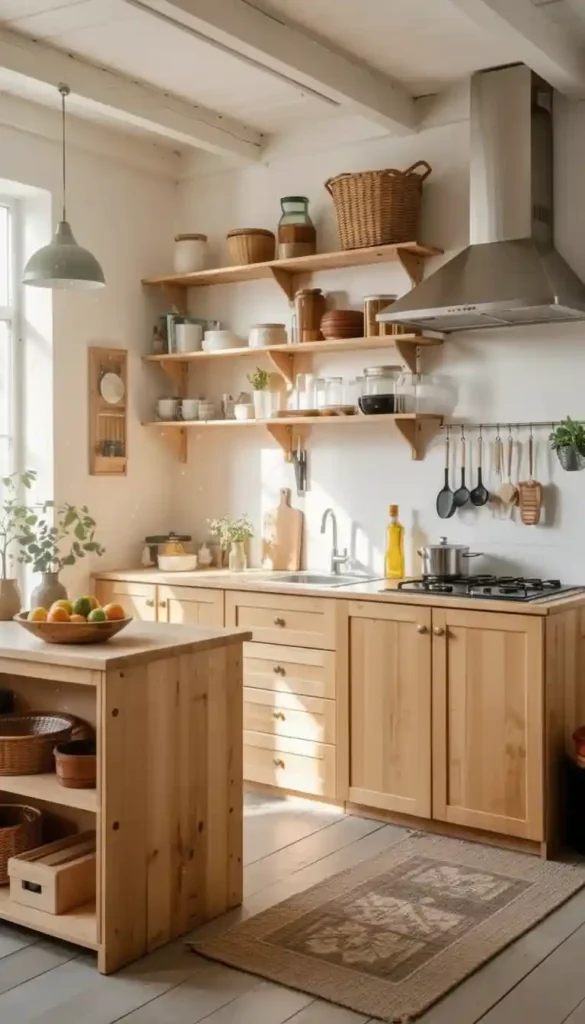
The compact indoor summer kitchen proves a truth that great designers have always known: constraints produce creativity. When you cannot spread out, you must become smarter, more organized, and more intentional. The result is often a kitchen that works better than larger, more casual spaces — and one that feels genuinely satisfying to use every single day.
Rustic Garden Summer Kitchen With Natural Elements
Of all the summer kitchen styles available in 2026, the rustic garden kitchen may be the most emotionally rewarding. It is a design that connects you to the land, to the seasons, and to a slower, more mindful way of cooking and living. When you build this kitchen well, it does not feel like a construction — it feels like it has always been there, growing naturally out of the garden around it.
The Design Philosophy: Blend, Don’t Build
The core principle of a rustic garden kitchen is that it should feel discovered rather than constructed. Every material and every design choice should serve this goal.
- Use local stone sourced from your region wherever possible for genuine visual authenticity
- Choose reclaimed wood for countertops, shelving, and structural elements
- Allow imperfection in finishes — rough edges, slight variations in color, visible grain
- Plant around and into the structure from the beginning, not as an afterthought
Wooden Countertops and Stone Surfaces
The material palette of a rustic garden kitchen is entirely natural. This is not just aesthetic — it is functional and ecologically resonant.
- Install live-edge wooden countertops sealed with food-safe oil for authentic character
- Use rough-cut limestone or sandstone as the primary prep and serving surface
- Consider reclaimed brick as a backsplash material — each brick carries visible history
- Add a farmhouse-style apron sink in fireclay or cast iron as the kitchen’s functional anchor
Pin this rustic garden kitchen design! 📌
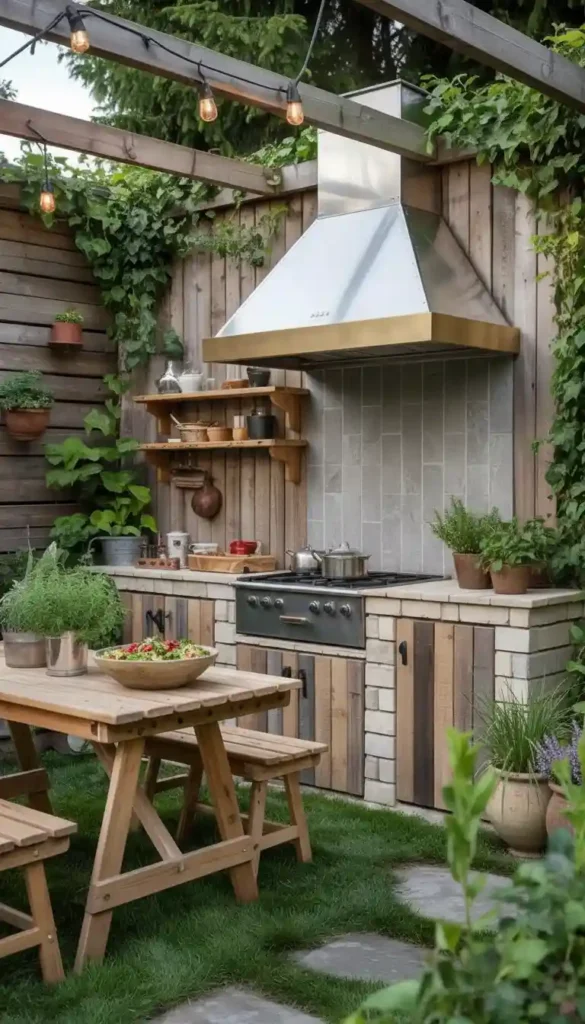
The Dining Table as Garden Centerpiece
In a rustic garden kitchen, the dining table is not furniture — it is a gathering place with genuine presence. Design it accordingly.
- Choose a thick-topped farmhouse table in reclaimed pine or oak that seats at least six comfortably
- Style the center with freshly cut herbs in a mason jar, a cluster of seasonal vegetables, or trailing flowers
- Use mismatched wooden chairs for an informal, collected aesthetic that feels genuinely lived-in
- Add a hanging lantern above the table for evening atmosphere that feels completely organic to the space
Open Shelving with a Garden Pantry Aesthetic
Shelving in a rustic garden kitchen should look like a beautifully organized potting shed — practical, beautiful, and deeply connected to nature.
- Use rough-cut timber brackets with simple plank shelves rather than finished cabinetry
- Display ceramic crocks and stoneware jars filled with grains, legumes, and dried goods
- Add baskets of various sizes for loose vegetables, bread, or produce from the garden
- Incorporate small potted herbs directly on the shelves — thyme and sage work particularly well
Integrating the Garden Into the Kitchen Space
The defining quality of this kitchen style is genuine, deep integration with the surrounding garden. It is not decoration — it is design.
- Build raised planter beds directly adjacent to the kitchen counter for herbs you harvest during cooking
- Train climbing roses or jasmine up any vertical structure near the kitchen for fragrance and beauty
- Install a small water feature within earshot of the kitchen — the sound dramatically enhances the atmosphere
- Choose gravel, flagstone, or bark chip paths around the kitchen rather than concrete for a garden-consistent feel
Vintage-Inspired Furniture and Collected Decor
Rustic garden kitchens benefit from furniture and decor that looks lovingly gathered over time rather than purchased as a matched set.
- Visit architectural salvage yards for unique pieces — old market crates, vintage metal signs, weathered wooden doors
- Use vintage enamelware — pots, colanders, and pitchers — as both decor and functional cookware
- Add a vintage scale on the counter as a timeless decorative object with actual kitchen utility
- Hang dried herb bundles from a simple wooden beam above the prep area
Weather Protection That Preserves the Natural Aesthetic
An outdoor rustic garden kitchen requires practical protection from the elements without compromising its organic character.
- Install a natural canvas sail shade above the cooking zone — far less intrusive than a metal pergola
- Choose weather-treated timber rather than synthetic materials for all structural elements
- Seal wooden surfaces with natural linseed oil twice a year to protect without plastic-looking varnish
- Plant large-canopy trees on the south or west side of the kitchen as long-term natural shade
The Sensory Experience: Smell, Sound, and Touch
A rustic garden kitchen is one of the rare design experiences that genuinely engages all five senses. This is where it transcends decoration and becomes a way of life.
- Smell: Fresh herbs within reach, wood smoke from a nearby fire pit, and the scent of the garden after rain
- Sound: A water feature nearby, birds attracted by garden plants, and the natural quiet that a garden creates
- Touch: The grain of natural wood countertops, the warmth of terracotta pots, and the cool solidity of stone surfaces
- Sight: The layered depth of a garden in every direction from every point in the kitchen
Save this rustic garden kitchen transformation guide! 📌
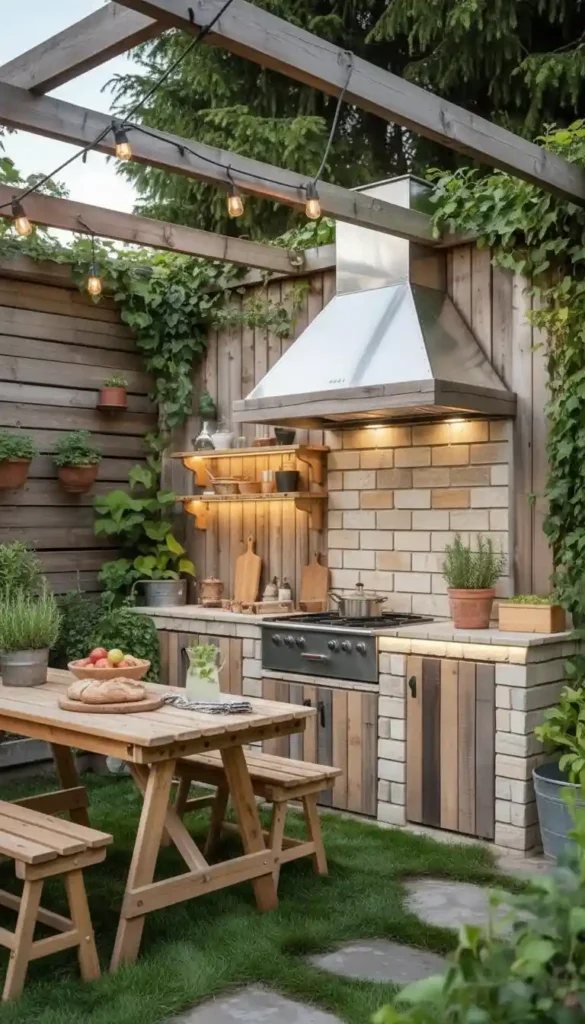
The rustic garden summer kitchen is an invitation to slow down. It is a space that rewards presence — sitting with your morning coffee while light moves across the stone countertop, preparing dinner while your herbs grow within arm’s reach, and hosting evenings that end naturally rather than at a designated time. This kitchen does not just look beautiful. It makes life feel more beautiful.
Conclusion
Your summer kitchen makeover is one of the most personal and rewarding design projects you can undertake. Whether you are drawn to the serene calm of a minimalist design, the lively heart of an outdoor grill space, the sun-soaked warmth of Mediterranean character, the clever ingenuity of a compact kitchen, or the soul-nourishing beauty of a rustic garden retreat — the right choice is the one that feels most like you. Every idea here is designed to create a kitchen you will actually live in, not just admire from a distance.
Start where you are. Choose one idea that resonates most deeply and begin there. A single design change — a new backsplash, a pergola, a reorganized island — can shift the entire feeling of a kitchen space. You do not need to do everything at once. You just need to begin. Your perfect summer kitchen is already waiting for you in these pages.

“I share simple, beautiful and affordable home decor ideas to help you style every corner of your home with ease.