

There is something truly heartbreaking about stepping onto your beautiful deck on a summer afternoon — only to be forced back inside within minutes because the sun makes it unbearable. You have invested time, money, and love into creating an outdoor space meant for laughter, relaxation, and memories. Yet without proper shade, it sits empty during the very hours you want to enjoy it most.
The good news? The right deck canopy can completely transform that experience. Whether you dream of lazy Sunday mornings with coffee, long evening dinners with friends, or a quiet reading corner away from the world — the ideas in this guide will help you build a shaded retreat that is as stunning as it is comfortable. Let’s find the solution that fits your space, your style, and your life.
Modern Pergola Deck Canopy With Retractable Shade
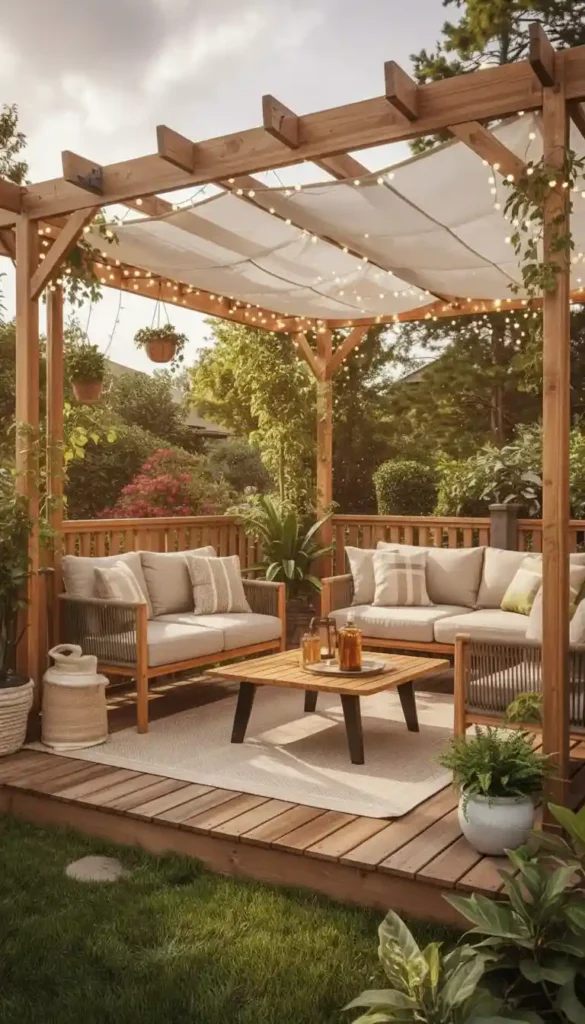
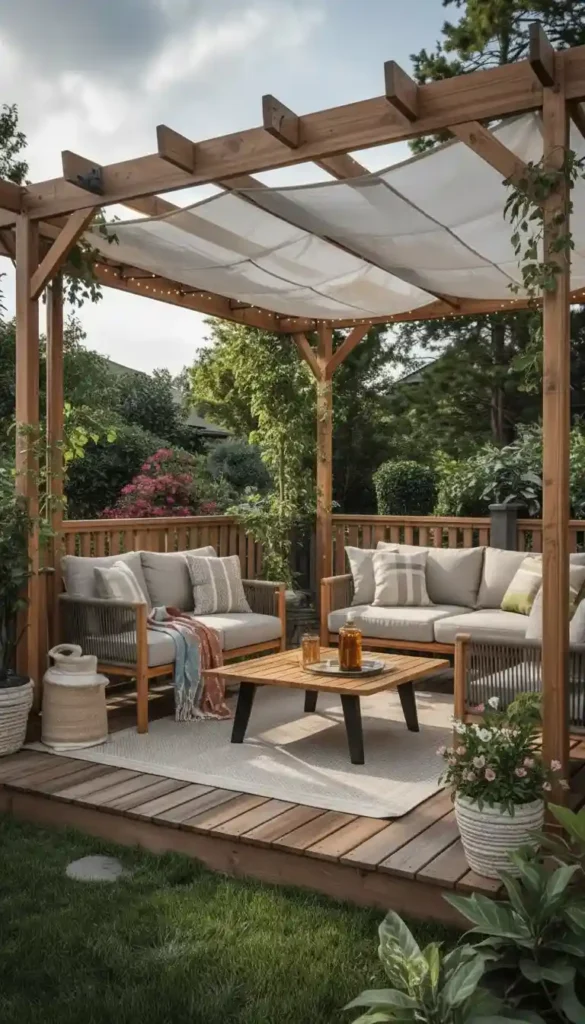
A pergola paired with a retractable canopy is one of the smartest and most beautiful shade solutions available today. It gives your deck genuine architectural presence while letting you control exactly how much sun comes through. This design is especially popular for medium and large decks where homeowners want a defined, stylish outdoor living zone.
Why This Combination Works So Well
The pergola handles structure. The canopy handles flexibility. Together, they solve the biggest problem with most shade solutions: you get either too much coverage or not enough. A retractable system lets you adjust as the sun moves.
- Full shade when the afternoon sun is strongest
- Open sky during cool mornings or cloudy days
- Partial coverage for dappled light that feels luxurious
- Works year-round across most US climates
Best Materials for the Pergola Frame
Material choice shapes the entire look and feel of the space. Do not pick purely on aesthetics — durability matters just as much.
- Natural wood beams (cedar, redwood, Douglas fir) — warm, classic, pairs beautifully with neutral furniture
- Powder-coated aluminum — sleek and modern, virtually maintenance-free
- Vinyl — budget-friendly, resists rot and insects
- Wood-look composite — best of both worlds for curb appeal without upkeep
Choosing the Right Canopy Fabric
Not all fabrics are created equal. For a retractable system, you need weather resistance without sacrificing beauty.
- Acrylic canvas (like Sunbrella) — industry gold standard, fade-resistant for 10+ years
- Solution-dyed polyester — excellent color retention, very affordable
- Shade mesh — filters sun without trapping heat underneath
- Look for fabric rated UPF 50+ for maximum UV protection
📌 Pin this retractable pergola guide for your next deck project!
Adding Climbing Plants for a Natural Look
One of the most elegant upgrades you can make to a pergola is letting plants grow along the posts and beams. This softens the structure and makes it feel like it belongs in the landscape.
- Wisteria — dramatic purple blooms, fast-growing
- Climbing roses — romantic look, fragrant
- Bougainvillea — vivid color, thrives in warm climates
- Jasmine — sweet fragrance, year-round greenery in mild zones
Plant in large ground containers if you do not want to disturb the deck surface. Use wall-mounted guide wires along the posts to train growth.
Furniture That Works Perfectly Underneath
The furniture layout beneath a pergola canopy should feel intentional, not random. Think of this as an outdoor room with real design rules.
- A deep-seated outdoor sofa with washable cushions as the anchor piece
- Low coffee table made of teak or powder-coated steel
- Two lounge chairs flanking the sofa for conversation balance
- An outdoor rug (polypropylene, weather-proof) to define the zone
Pergola Deck Canopy Lighting Ideas That Extend Evening Use
A pergola without lighting is only half-finished. The right fixtures turn a shaded afternoon deck into a magical evening gathering spot.
- String lights draped across the beams — warm, festive, zero hardwiring needed
- Recessed LED downlights in the beams — sleek and modern
- Hanging lanterns — rustic charm, dimmable options available
- Solar-powered post caps — cost nothing to operate after installation
Sizing and Spacing Guidelines
Getting the dimensions right ensures the finished structure feels proportional and doesn’t overwhelm your deck.
- Allow 8–10 feet of vertical clearance for comfortable headroom
- Extend canopy at least 2 feet beyond the seating area on each side
- Space pergola posts 8–12 feet apart for structural stability
- For a 12×16 foot deck, a 10×14 canopy leaves a comfortable border zone
📌 Save this pergola canopy design guide for your outdoor renovation plans!
Why Homeowners Consistently Love This Option
Pergolas with retractable canopies consistently earn top ratings in homeowner satisfaction surveys. Publications like Architectural Digest have repeatedly highlighted them as one of the most timeless outdoor upgrades available. The investment pays back in daily enjoyment and measurable home value.
DIY Fabric Deck Canopy For Budget-Friendly Shade
Not every great shade solution requires a contractor or a five-figure budget. A well-planned DIY fabric canopy can look sophisticated, provide real protection from the sun, and give you the creative freedom to customize every detail. This is one of the most accessible and satisfying projects a homeowner can take on.
Understanding How DIY Fabric Canopies Work
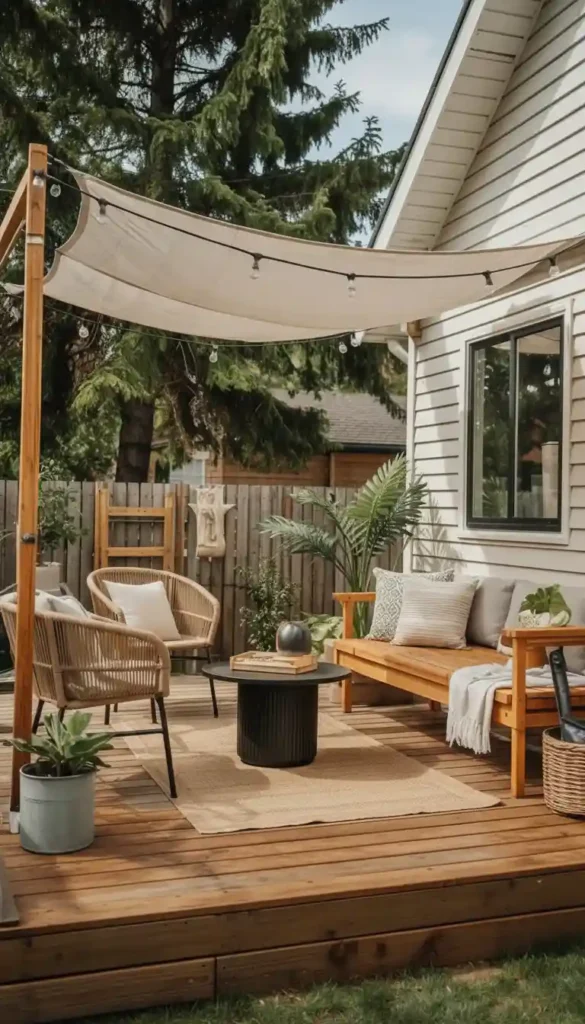
The concept is simple: durable outdoor fabric is stretched between anchor points — posts, railings, walls, or overhead cables — to create a shaded roof. The elegance comes from execution.
- Sail shade style — triangular or square panels stretched diagonally
- Straight-run panel — fabric stretched flat between two parallel anchor points
- Draped canopy — fabric gathered and draped for a softer, tent-like look
- Each style works for different deck shapes and aesthetic preferences
Best Fabrics for DIY Outdoor Canopies
Material selection determines durability, appearance, and maintenance needs. Do not compromise here — cheap fabric fades and sags within one season.
- Heavy-duty canvas (10–12 oz weight) — classic look, excellent durability
- HDPE shade sail fabric — specifically designed for outdoor shade, breathable
- Solution-dyed acrylic — premium option, resists mold and UV damage
- Outdoor polyester — affordable, available in hundreds of colors
Always check the UPF rating before purchasing. A UPF of 50+ blocks over 98% of UV radiation.
Installation Methods and Hardware
The installation method you choose depends on what anchor points are available on your deck.
- Post-mounted — install 4×4 or 4×6 wooden posts at deck corners, attach fabric with heavy-duty grommets and stainless steel hardware
- Cable-tension system — stretch stainless steel cables between anchor points, clip fabric to cables
- Railing-mounted — use existing deck railings as anchor points for smaller canopies
- Wall-attached — bolt one end to the house exterior, extend outward
📌 Pin this DIY fabric canopy guide for your weekend project list!
Step-by-Step Installation Overview
Even if you have never done a project like this, following these steps keeps the process manageable.
- Measure your deck and determine how much shade coverage you actually need
- Select your fabric, cut to size (add 6 inches on each side for hemming and grommets)
- Install anchor points — posts, eye bolts, or turnbuckles — at corners and midpoints
- Attach fabric using marine-grade snap hooks or carabiners for easy seasonal removal
- Tension the fabric evenly to prevent pooling when it rains
Furniture Pairing for a DIY Canopy Space
A DIY fabric canopy looks best with furniture that matches its relaxed, casual energy. Keep it light and comfortable.
- Woven rattan or resin wicker lounge chairs — breathable and weather-proof
- A small wooden dining table with folding chairs for flexibility
- Colorful outdoor cushions that match or complement the canopy fabric
- Textured outdoor rugs to anchor the seating zone visually
Maintenance Tips That Extend Canopy Life
A little maintenance goes a long way in extending the life of your fabric canopy.
- Remove or loosen tension during major storms to prevent tears
- Clean with mild soap and water twice per season — avoid bleach on colored fabrics
- Store folded canopy indoors during winter months if possible
- Inspect grommets and hardware annually and replace any rust-prone parts
Adding Lighting to Your DIY Canopy
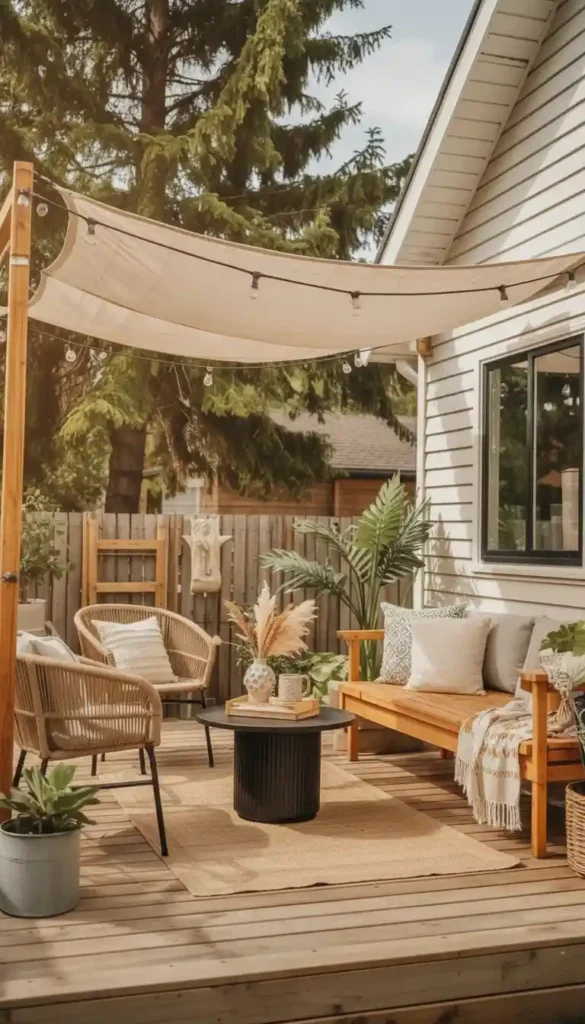
Outdoor string lights clipped to the fabric edges or woven through the canopy create a warm, inviting glow for evening use. Solar-powered options eliminate the need for an outdoor electrical connection entirely.
- Solar string lights — no wiring, automatic dusk-to-dawn activation
- Battery-powered LED strips — flexible placement along canopy hem
- Small hanging lanterns — clip onto canopy frame for decorative effect
📌 Save this budget-friendly canopy approach — it works beautifully!
The Real Appeal of Going DIY
Beyond the cost savings, a DIY canopy gives you something no contractor can deliver: the ability to change it whenever you want. Experiment with colors, shapes, and configurations season by season. Better Homes and Gardens editors consistently recommend fabric shade sails as one of the most flexible and photogenic backyard upgrades available.
Portable Deck Canopy Tent For Flexible Outdoor Shade
Sometimes the best shade solution is also the simplest one. A portable deck canopy tent gives you reliable sun protection exactly where and when you need it — no installation, no permits, no permanent commitment. For seasonal use, temporary setups, or decks that serve multiple purposes, this option delivers outstanding practical value.
What Makes Portable Canopies So Appealing
The defining advantage of a portable canopy tent is freedom. You can move it, store it, and reconfigure your deck layout whenever your needs change.
- No permanent installation — set up in 15–30 minutes with minimal tools
- Relocate as needed — follow the shade or reposition for different events
- Store during off-season — extends the life of the canopy significantly
- Ideal for renters — no structural modifications to the deck required
Types of Portable Canopy Tents
The portable canopy market has evolved significantly. Today’s options range from basic pop-ups to sophisticated shade systems.
- Pop-up canopy tents (10×10 or 10×20 ft) — fastest setup, great for events
- Instant shade canopies with sidewalls — added privacy and wind protection
- Offset patio umbrellas — single-pole design, shade a large area without obstructing the center
- Freestanding canopy frames with fabric tops — more durable than pop-ups, heavier
Key Features to Look For When Buying
Not all portable canopies are built equally. Know what specs actually matter before you shop.
- UPF 50+ rated fabric — blocks 98%+ of UV radiation
- Powder-coated or anodized aluminum frame — rust-resistant, lightweight
- Vented roof design — reduces wind lift and allows heat to escape
- Weight capacity ratings — critical if you plan to hang lights or accessories
- Water-resistant or waterproof fabric — handles unexpected light rain
📌 Pin this portable canopy buyer’s guide for your next deck upgrade!
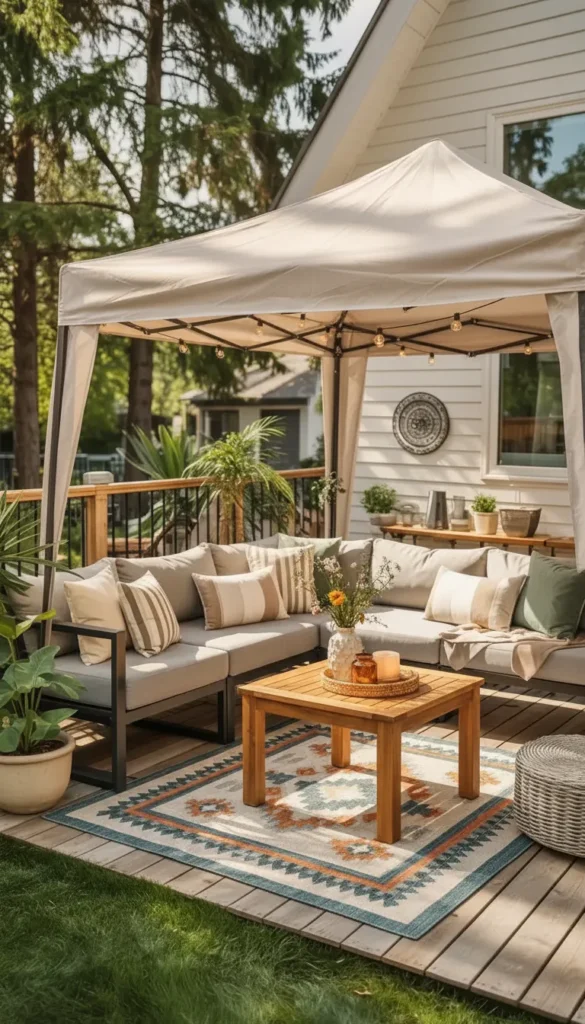
Furniture Layout Under a Portable Canopy
Because the footprint is defined by the canopy frame, your furniture choices need to fit within that zone intentionally.
- An outdoor sectional sofa on one side creates a clear lounge zone
- Folding lounge chairs positioned toward the open side for a view
- A compact outdoor dining set (4-seater) for shared meals
- Lightweight side tables that can be repositioned easily
Choose furniture with lighter visual weight — thin legs, open frames — so the space under the canopy doesn’t feel crowded.
Maximizing Shade Coverage Throughout the Day
One of the biggest advantages of a portable canopy is that you can reposition it as the sun moves. Here is how to make the most of that flexibility.
- In the morning, position the canopy to shade east-facing seating
- By midday, center it over your primary seating or dining area
- In the afternoon, shift it to block the intense western sun
- Check your deck’s sun exposure patterns for one full day before deciding on default placement
Anchoring and Safety Tips
A portable canopy can become a safety hazard if it is not properly anchored. Wind is the primary concern.
- Use sandbag weights (40 lbs per leg minimum) for decks where staking isn’t possible
- Bolt-down anchor plates are available for permanent deck installation that still allows frame removal
- Always lower or remove the canopy during storms or high winds
- Check frame joint connections before each use for wear or loosening
Decorative Finishing Touches
A portable canopy tent can look just as intentional as a permanent structure with the right decorative layering.
- Define the zone with an outdoor rug beneath the furniture
- Add potted plants or planters at the canopy corners for a grounded look
- Hang battery-powered string lights from the frame for evening ambiance
- Use side curtain panels (sold separately for most frames) for a finished, cabana look
📌 Save this portable canopy setup guide — perfect for flexible outdoor living!
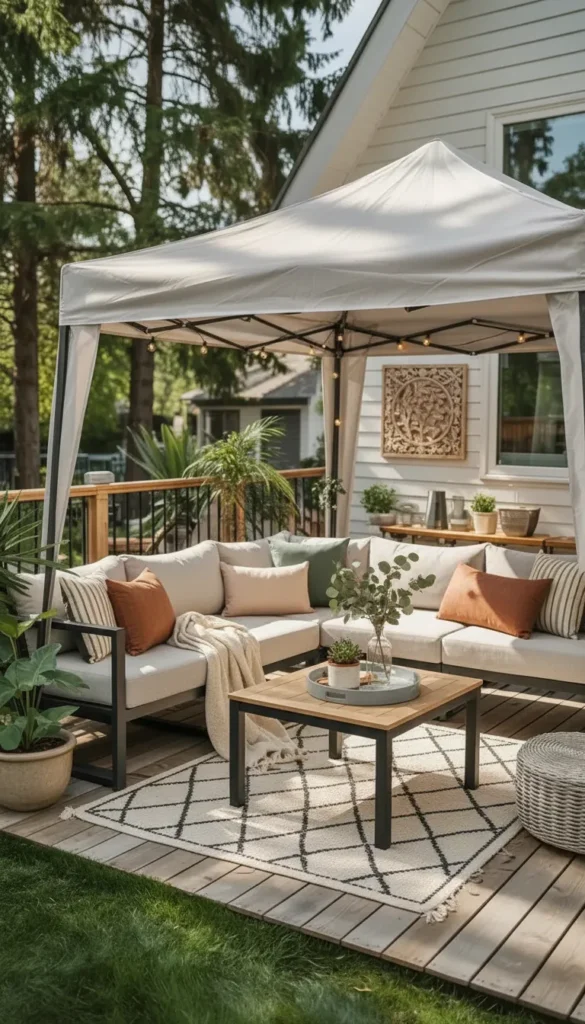
The Bottom Line on Portable Options
Portable canopy tents are the most underrated shade solution on the market. They require no commitment, deliver immediate results, and can be completely reimagined from season to season. Outdoor living designers consistently recommend them for multifunctional decks that host everything from morning yoga sessions to evening dinner parties.
Patio Awning Deck Canopy For Permanent Shade
When you are ready to commit to a permanent shade solution that looks like it was always part of the house, a patio awning is the answer. Fixed or retractable awnings attach directly to your home’s exterior and extend outward to shade the deck below. They create a seamless visual connection between indoors and outdoors while delivering consistent, reliable sun protection every single day.
Fixed vs. Retractable Awnings: Which Is Right for You?
This is the first decision you will need to make. Both have genuine advantages depending on your priorities.
- Fixed awnings — always up, always protecting, zero effort required, lower cost
- Retractable awnings (manual) — crank or strap system, simple, affordable, reliable
- Retractable awnings (motorized) — button or app control, some include wind sensors for automatic retraction
- If you live in a storm-prone area, retractable is worth the premium — you can protect the awning during severe weather
Coordinating Awning Fabric with Your Home Exterior
An awning that clashes with your home’s exterior looks like an afterthought. Coordinating it correctly makes it look like it was always there.
- Neutral tones (beige, sand, warm gray) — blend with almost any exterior color
- Striped patterns — a classic awning look that works with traditional architecture
- Solid deep colors (navy, forest green, terracotta) — bold contrast that reads as intentional design
- Match the awning hardware color (arms, brackets) to your window frames or door hardware
Installation Considerations and Clearances
Awnings require proper installation to perform safely and look clean. These details matter.
- Mount the awning header at least 8 feet above the deck surface for comfortable headroom
- Projection length (how far out it extends) should be 70–80% of the deck depth for optimal shade coverage
- Fascia board must be structurally sound — the awning transfers significant wind load to the house
- Hire a professional installer if you have any doubts about your wall’s load capacity
📌 Pin this patio awning guide for a clean, permanent shade upgrade!
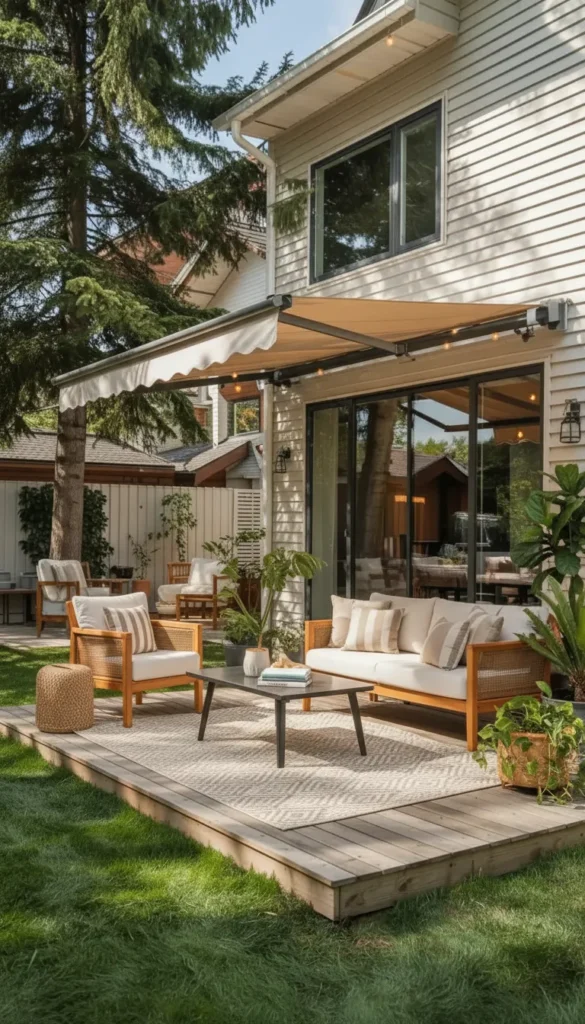
Best Awning Sizes for Common Deck Dimensions
Sizing your awning correctly is critical. Too small and it underperforms; too large and it overwhelms the architecture.
- 10×8 ft deck → 8-foot wide awning with 6-foot projection
- 12×16 ft deck → 12-foot wide awning with 10-foot projection
- 16×20 ft deck → 16-foot wide awning with 13-foot projection
- Always measure from the wall attachment point, not the house foundation
Furniture Arrangement Under a Patio Awning
The shade zone created by an awning has a specific rectangular footprint. Use it deliberately.
- Place the main outdoor sofa against the wall or railings under the deepest shade point
- Position a coffee table centrally as a gathering anchor
- Use two outdoor armchairs facing the sofa to complete the conversation grouping
- Leave a clear traffic lane (at least 36 inches) along one side for comfortable movement
Decorative cushions in weather-resistant fabrics and natural textures like jute or woven cotton add warmth without requiring maintenance beyond occasional cleaning.
Small Deck Canopy Ideas Using Awnings
Awnings are particularly effective for small decks because they do not consume any deck floor space. There are no posts, no legs, no footprint inside the deck perimeter.
- Even a compact 6×8 ft deck benefits from a narrow awning that creates a defined outdoor nook
- Pair with a bistro table and two chairs for a charming urban balcony feel
- Add a window box planter beneath the awning header for a cottage-garden look
- Use a bold awning color on a small deck — it signals intentional design rather than looking lost
Integrated Lighting Under Awning Frames
Adding lighting under an awning extends evening deck use significantly. The structure makes wiring much simpler than other shade options.
- LED strip lights adhered along the underside of the awning frame — a clean, modern look
- Small recessed spotlights mounted in the awning cassette housing
- Pendant lights hung from the awning projection arms for a restaurant patio feel
- All-weather rated fixtures (IP65 or higher) are essential for any permanent outdoor lighting installation
📌 Save this awning design approach for a polished, permanent outdoor room!
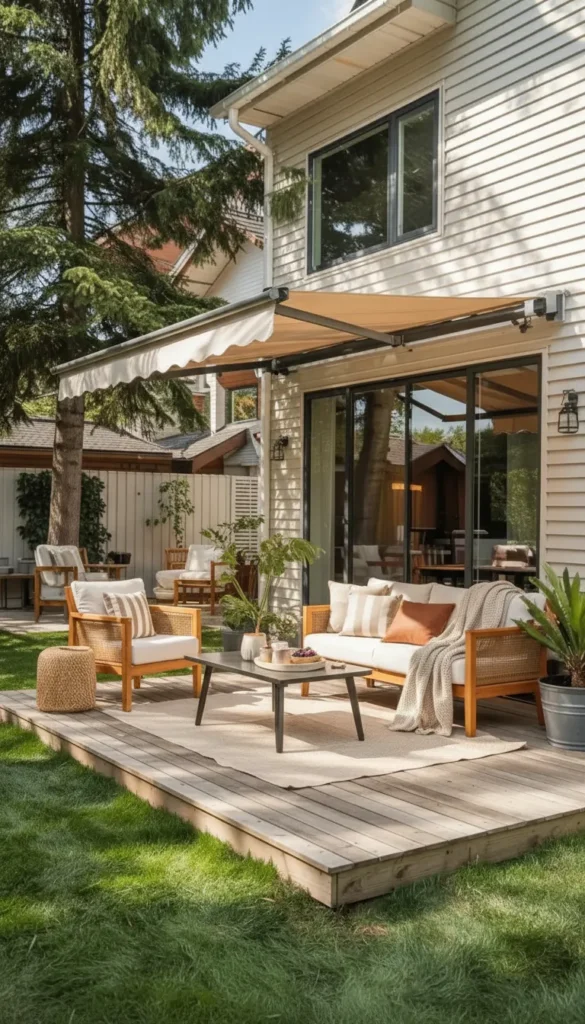
Why Design Professionals Love Awnings
Outdoor living professionals consistently recommend awnings for one fundamental reason: they look finished. The deck reads as an intentional extension of the home rather than an outdoor afterthought. Many design editors praise awnings for their ability to transform a basic back deck into a proper outdoor living room — one that adds real, measurable value to the home.
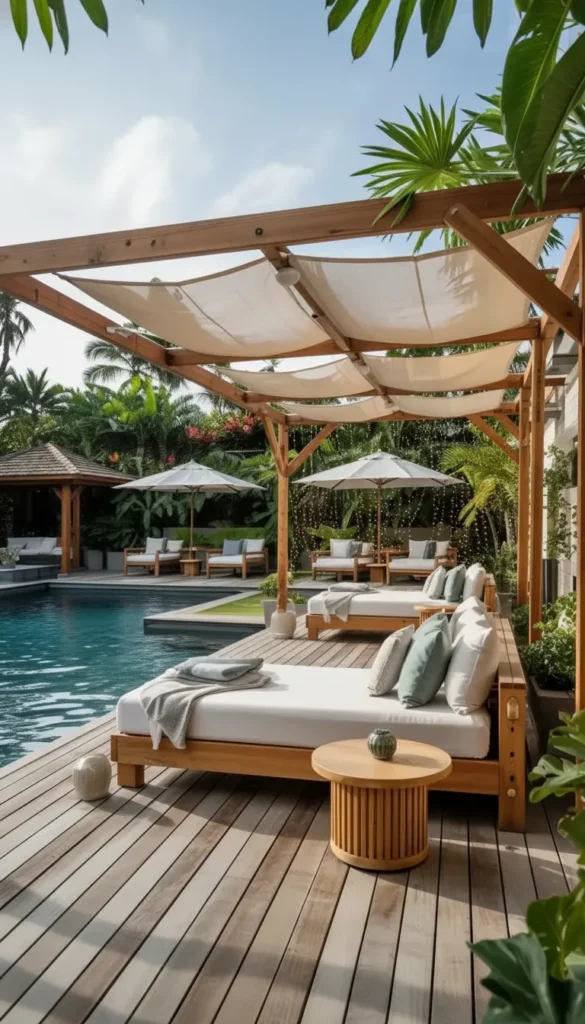
Poolside Deck Canopy Design For Relaxation Areas
A deck near a pool presents a unique design challenge and a spectacular opportunity. The sun that makes the water sparkle and inviting is also the same sun that makes poolside lounging miserable after an hour. A thoughtfully designed pool deck canopy solves this problem elegantly — creating a shaded retreat that transforms a simple pool surround into a genuine resort-inspired outdoor living space.
Why Poolside Shade Is Different From Regular Deck Shade
Pool environments have unique requirements that standard deck canopy ideas do not fully address. The design approach needs to account for several factors specific to water-adjacent outdoor spaces.
- Water reflection intensifies UV exposure — shade protection is more urgent here
- Splash and humidity require more durable, quick-drying materials
- Wet foot traffic makes rugs and fabric choices more critical
- Sightlines to the water should be preserved — bulky canopy structures can block the view
Best Canopy Structures for Pool Decks
Not every canopy type works equally well in a pool environment. Here are the options that perform best.
- Freestanding pergola with shade sail — open, airy, preserves pool sightlines
- Large market umbrella (11–13 ft) — flexible, no installation required, easy repositioning
- Cantilever umbrella with weighted base — no center pole interrupts the space beneath
- Fabric sail shades (two or three layered at angles) — modern, architectural, excellent coverage
- Aluminum shade structure — purpose-built poolside canopies with quick-dry fabric panels
Materials That Thrive in a Pool Environment
Every material choice near a pool must stand up to chlorine exposure, constant moisture, and intense UV radiation. This is not a place to compromise on quality.
- Teak — the gold standard for poolside furniture, naturally resistant to water and rot
- Aluminum frames — rust-proof, lightweight, low maintenance
- Olefin and solution-dyed acrylic fabric — resists chlorine bleaching, dries quickly
- Resin wicker — mimics natural wicker look without absorbing moisture
- Concrete or composite decking — non-slip, heat-resistant, stain-proof surface underfoot
📌 Pin this poolside canopy guide for your summer resort transformation!
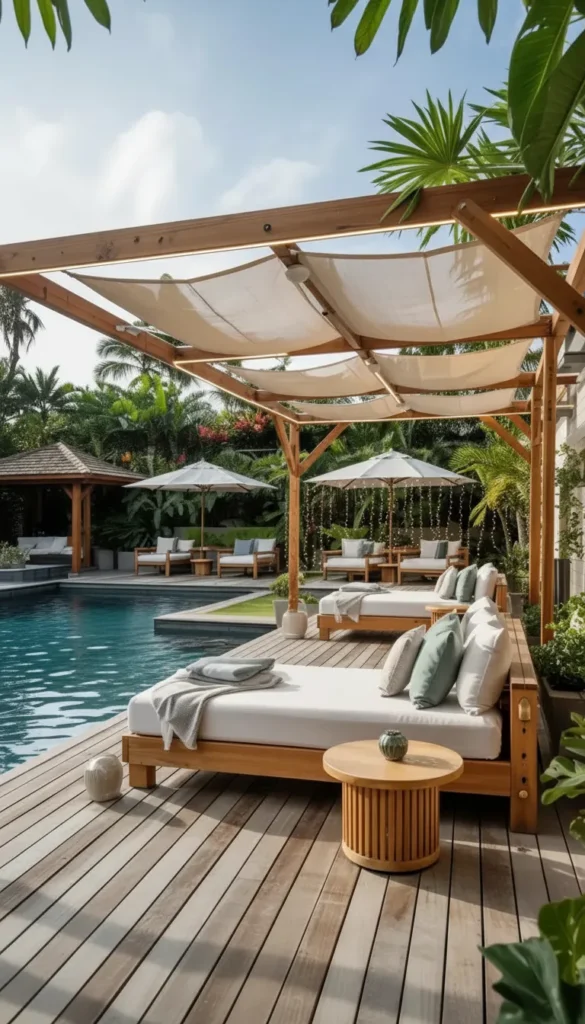
Designing the Shaded Lounge Zone
The shaded area beside a pool should function as its own destination — not just a place to wait between swims.
- Place two to four chaise lounges under the canopy, angled toward the pool
- Add a low side table between each pair of lounges for drinks and sunscreen
- Include at least one deep-seated lounge chair or outdoor daybed for serious relaxation
- Use light-colored cushion fabrics — they reflect heat and stay cooler to the touch
Standard chaise dimensions are approximately 25 inches wide by 75 inches long. Plan at least 30 inches between adjacent lounges for comfortable movement.
Creating a Resort Feel With Greenery
Nothing elevates a poolside canopy space like strategic use of plants. They add privacy, color, fragrance, and the feeling of being somewhere genuinely special.
- Large tropical plants (bird of paradise, banana leaf) — instant resort-hotel energy
- Potted palms at canopy corners — frame the shaded zone beautifully
- Lavender or jasmine in raised planters — fragrant, romantic, repels some insects
- Ornamental grasses as screening — movement in the breeze, low maintenance
Choose pots in neutral tones (white, charcoal, terracotta) that complement both the canopy and the pool surround finish.
Privacy Solutions That Also Provide Additional Shade
A shaded pool deck is even better when it also offers some privacy from neighbors. Fortunately, the same elements that create privacy often add to the shade and visual appeal.
- Outdoor curtains on canopy sides — dramatic look, easily opened or closed
- Bamboo or eucalyptus screens on canopy frames — natural texture, excellent privacy
- Tall potted hedges (boxwood, arborvitae) — living privacy walls that look beautiful
- Shade sails at angles — create asymmetric coverage while blocking specific sightlines
Poolside Lighting Ideas That Work With the Canopy
Evening poolside ambiance depends almost entirely on lighting. The canopy structure gives you a natural framework to work with.
- Edison bulb string lights draped from pergola or canopy frame — warm and festive
- LED path lights defining the edge between the canopy zone and the pool surround
- Underwater pool lights in coordinating color temperature for a cohesive glow
- Candle lanterns on side tables — flickering light feels particularly magical near water
- Use warm white (2700K–3000K) bulbs throughout for a consistent, inviting atmosphere
📌 Save this complete poolside canopy design guide — your summer retreat starts here!
Practical Maintenance for Pool Deck Canopies
Pool environments are hard on outdoor materials. A straightforward maintenance routine protects your investment and keeps everything looking pristine.
- Rinse canopy fabric monthly to remove chlorine and sunscreen residue
- Inspect all metal hardware quarterly for signs of corrosion — treat immediately
- Clean teak furniture with a dedicated teak cleaner twice per season
- Re-seal concrete or composite decking annually to prevent staining
- Store cushions when not in use — pool-side storage boxes double as side tables
The Transformation Worth Making
A thoughtfully designed pool deck canopy is one of the highest-value outdoor investments you can make. It turns a single-purpose pool surround into a full outdoor living room — a space that invites relaxation from morning through evening, long after the swimming is done. The combination of structure, shade, comfort, and beauty is what separates a pool from a backyard resort. That transformation is absolutely within reach.
Conclusion
The right deck canopy does not just block the sun. It changes how you live. It turns an uncomfortable, empty deck into a place you actually use — a space where summer mornings become a ritual, where dinner parties stretch past sunset, and where the simple act of sitting outside becomes genuinely enjoyable again.
Whether you choose a sophisticated retractable pergola, a creative DIY fabric setup, a flexible portable tent, a clean-line patio awning, or a resort-style poolside canopy — the important thing is to start. Pick the solution that fits your space, your budget, and your vision. Your outdoor retreat is closer than you think.

“I share simple, beautiful and affordable home decor ideas to help you style every corner of your home with ease.