

Living in a small space doesn’t mean sacrificing style or comfort. I’ve watched countless people transform cramped, cluttered living rooms into stunning spaces that feel twice their actual size. The key isn’t having more square footage it’s about making every single inch work harder for you.
Whether you’re in a studio apartment, a tiny house, or a cozy condo, your living room deserves to be both beautiful and functional. In this guide, I’ll share five transformative approaches that combine smart layouts, clever storage, and design principles that actually work in real life. These aren’t just pretty pictures they’re practical solutions you can implement today.
Tiny Living Room Designs That Maximize Every Inch
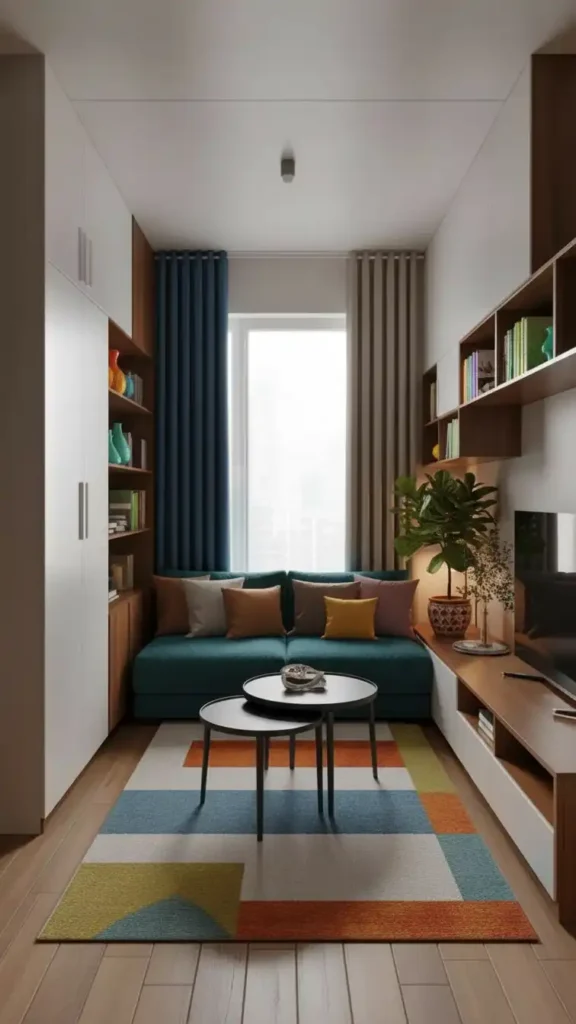
Creating a functional living room in a tiny space starts with treating every corner as valuable real estate. This approach focuses on purposeful furniture placement, vertical storage solutions, and maintaining clear circulation paths that prevent your room from feeling cramped.
The Foundation: Strategic Furniture Placement
Start by mapping your room’s dimensions before buying a single piece of furniture.
- Push your sofa against the longest wall to open up floor space
- Keep the center of the room clear for easy movement
- Position your media unit opposite the sofa at the shortest comfortable viewing distance
- Use a slim console table near the entrance as a functional drop zone
This layout creates a natural flow that makes your small living room feel organized rather than chaotic.
Smart Sofa Selection for Small Spaces
Your sofa choice makes or breaks a tiny living room design.
- Choose a slim 2-seat sofa with under-seat storage compartments
- Look for sofas with exposed legs to create visual lightness
- Measure doorways before purchasing to ensure delivery is possible
- Opt for neutral fabrics that won’t overwhelm the space visually
A compact sofa with built-in storage eliminates the need for extra furniture pieces.
Vertical Storage Solutions That Work
Wall-mounted shelving transforms wasted vertical space into functional storage.
- Install floating shelves above your TV unit for books and decor
- Keep shelves within easy reach (60-72 inches from floor)
- Mix open and closed storage to balance display and concealment
- Use the space above doorways for shallow shelving
This approach leaves your floor clear and makes the room feel more spacious.
Pin this strategic furniture placement guide! 📌
The Low-Profile Armchair Advantage
Adding flexible seating doesn’t require sacrificing floor space.
- Select an armchair with a small footprint that can be repositioned easily
- Choose styles with exposed legs for better visual flow
- Position it to face the sofa for conversation or angle toward the TV
- Consider armless designs for even more spatial flexibility
Mobile seating adapts to different activities throughout the day.
Nesting Tables: The Ultimate Space Saver
Coffee tables in tiny rooms need to be as flexible as your lifestyle.
- Invest in nesting table sets that tuck away when not needed
- Pull out additional surfaces only when entertaining guests
- Choose lightweight materials that are easy to move
- Look for tables with storage shelves underneath
These tables provide surface space without permanent floor commitment.
Creating a Work Zone in Your Living Room
A wall-mounted folding desk adds functionality without eating up space.
- Install a fold-down desk on an empty wall section
- Add a small shelf above for supplies and reference materials
- Choose a design that folds flush against the wall when not in use
- Position near a power outlet for easy device charging
Your living room transforms into a productive workspace in seconds.
Lighting That Enhances Small Spaces
The right lighting makes tiny rooms feel larger and more inviting.
- Use ceiling track spotlights for adjustable, directed light
- Add table lamps on the console for warm evening ambiance
- Install dimmer switches to control mood and atmosphere
- Choose light fixtures with small footprints that don’t crowd the space
Layered lighting creates depth and makes your room feel more expansive.
The Power of Rugs in Defining Space
A low-profile rug anchors your seating area without adding bulk.
- Select a rug that fits entirely under your main furniture pieces
- Avoid high-pile textures that make small rooms feel crowded
- Choose light colors to maintain an open, airy feeling
- Ensure the rug is large enough to define the zone clearly
The right rug creates visual boundaries without physical barriers.
Save this maximize-every-inch strategy! 📌
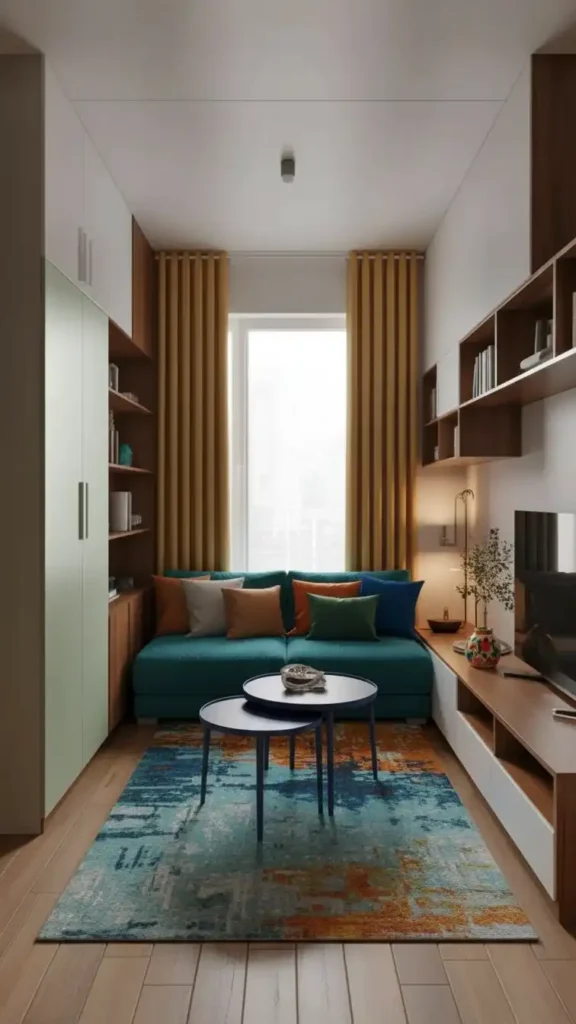
The key to maximizing tiny living rooms is choosing fewer, better-quality pieces over numerous small items. Each element should justify its presence through function, storage, or visual appeal. This disciplined approach prevents clutter while maintaining personality and style.
Smart Tiny Living Room Designs For Small Spaces
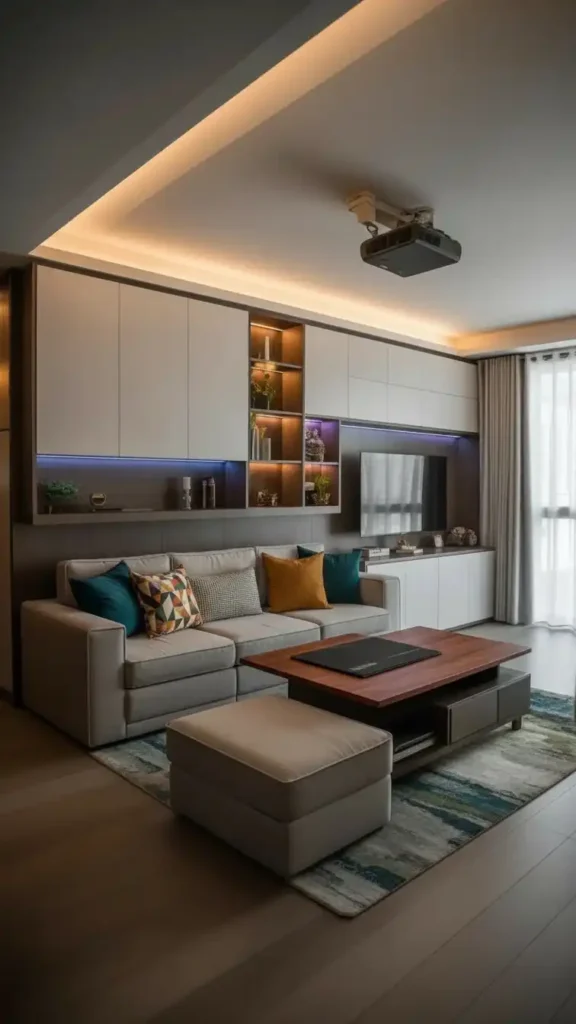
Technology and multi-functional furniture transform small living rooms into adaptable spaces that shift between work, entertainment, and relaxation. This approach embraces modular pieces, hidden storage, and smart home integration for maximum versatility.
The Projector Advantage Over Traditional TVs
A wall-mounted projector eliminates bulky entertainment centers.
- Mount a compact projector on the ceiling or wall
- Project onto a blank wall instead of using a large TV
- Store the projector out of sight when not in use
- Create a clean, minimalist focal wall
This setup frees up valuable floor and furniture space instantly.
Modular Sofas for Ultimate Flexibility
Modular seating adapts to different occasions and needs.
- Choose sectional pieces with removable ottomans
- Rearrange components from lounge setup to formal seating
- Add or remove pieces based on guest count
- Select neutral fabrics that coordinate with changing decor
Your seating configuration changes in minutes without buying new furniture.
The Lift-Top Coffee Table Innovation
A coffee table that converts into a desk is essential for multi-use spaces.
- The tabletop lifts to comfortable working height
- Storage compartments hold work supplies and entertainment items
- No need for a separate desk in your living area
- Perfect for laptop work, dining, or crafting
This single piece replaces both coffee table and workspace furniture.
Pin this smart living room system! 📌
Wall-Mounted Cabinets That Float
Floating storage keeps floors clear and simplifies cleaning.
- Install smooth, handle-less cabinets for a sleek appearance
- Choose light colors to blend with walls and reduce visual weight
- Store electronics, cords, and less attractive items inside
- Mount at eye level for easy access without bending
Wall-mounted storage creates the illusion of more floor space.
The Hidden Sideboard Solution
A low sideboard behind your projection wall serves multiple purposes.
- Conceal cable boxes, routers, and gaming equipment
- Store remote controls, chargers, and accessories
- Provide a surface for decorative items when entertaining
- Keep technology organized and out of sight
Everything has a designated home for quick tidying.
Smart Lighting Systems
App-controlled lights adapt to different activities without physical switches.
- Change brightness and color temperature from your phone
- Create preset scenes for working, watching movies, or relaxing
- No additional floor lamps cluttering your small space
- Schedule lighting to match your daily routine
Smart lighting eliminates the need for multiple physical light fixtures.
Cable Management for Clean Aesthetics
Hidden wires make small rooms feel more organized and spacious.
- Use adhesive cable channels along baseboards and furniture backs
- Install smart plugs to control devices remotely
- Group cords with velcro ties instead of letting them tangle
- Position power strips inside cabinets and sideboards
Invisible cables reduce visual clutter dramatically.
Activity-Based Organization Principles
Store items where you actually use them for seamless transitions.
- Keep work tools near your lift-top table area
- Store entertainment accessories by the projection wall
- Place reading materials within arm’s reach of seating
- Group remote controls in a small decorative box
Your room shifts functions in moments because everything is exactly where it needs to be.
Save this smart technology integration approach! 📌
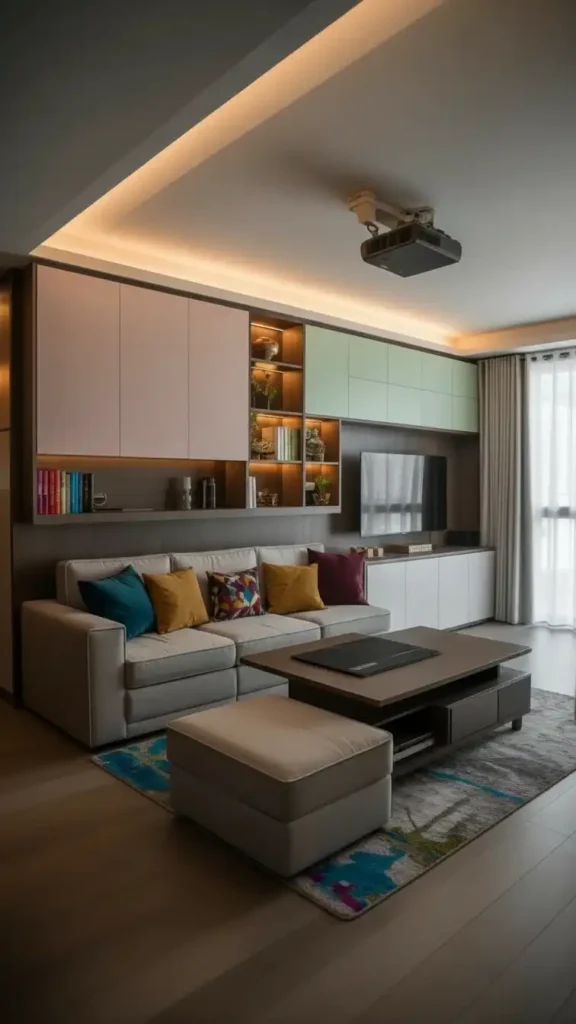
Smart tiny living rooms operate as systems rather than collections of furniture. By organizing items according to activity and investing in multi-functional pieces, your space transforms between different modes effortlessly. This systematic approach makes small rooms feel both cozy and remarkably functional.
Creative Tiny Living Room Design Ideas To Try In 2026
Injecting personality into a small living room requires balancing artistic expression with practical considerations. This approach combines unexpected color choices, creative storage displays, and personal touches that make your space feel like a curated gallery.
Color Palette Selection for Creative Spaces
Muted, sophisticated colors add interest without overwhelming small rooms.
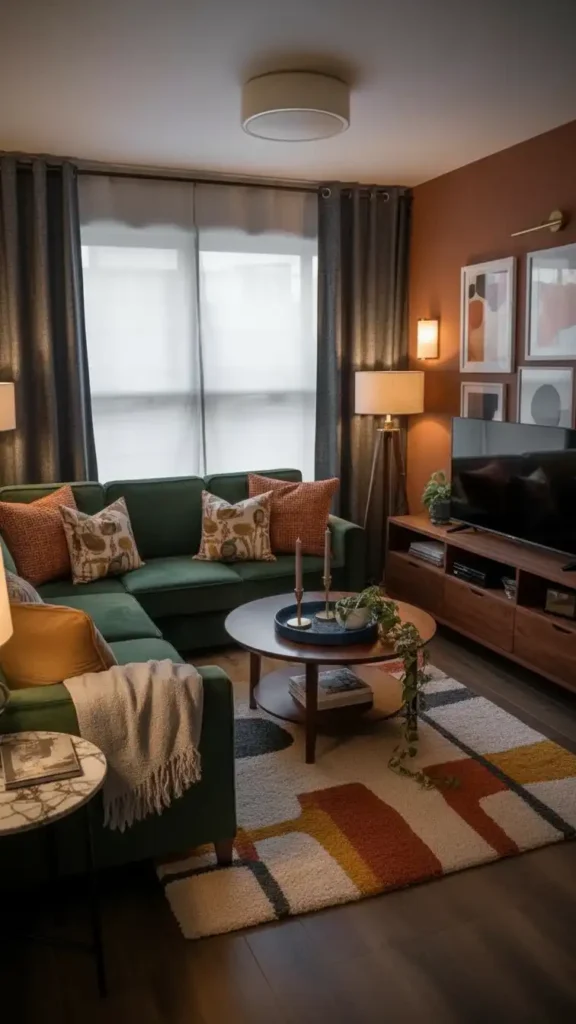
- Try dusty terracotta, dusty blue, and warm beige combinations
- Limit your palette to two or three primary colors
- Repeat chosen colors in fabrics, artwork, and accessories
- Avoid stark white if you want a gallery-inspired feel
This restrained approach prevents visual chaos while maintaining personality.
The Gallery Wall Approach
Treat your living room walls as exhibition space for meaningful art.
- Use a picture ledge above the sofa instead of hammering nails
- Rotate artwork easily without creating wall damage
- Choose frames in consistent colors or styles for cohesion
- Mix prints, photographs, and small three-dimensional objects
A picture ledge provides flexibility that permanent hanging doesn’t offer.
Built-In Bookcase Surrounds
Floor-to-ceiling shelving maximizes vertical storage dramatically.
- Frame your sofa with custom or pre-made shelving units
- Create a built-in appearance even with standalone pieces
- Store books, decor, plants, and everyday items
- Use baskets on lower shelves to hide less attractive necessities
This approach turns storage into architectural interest.
Pin this creative living room personality guide! 📌
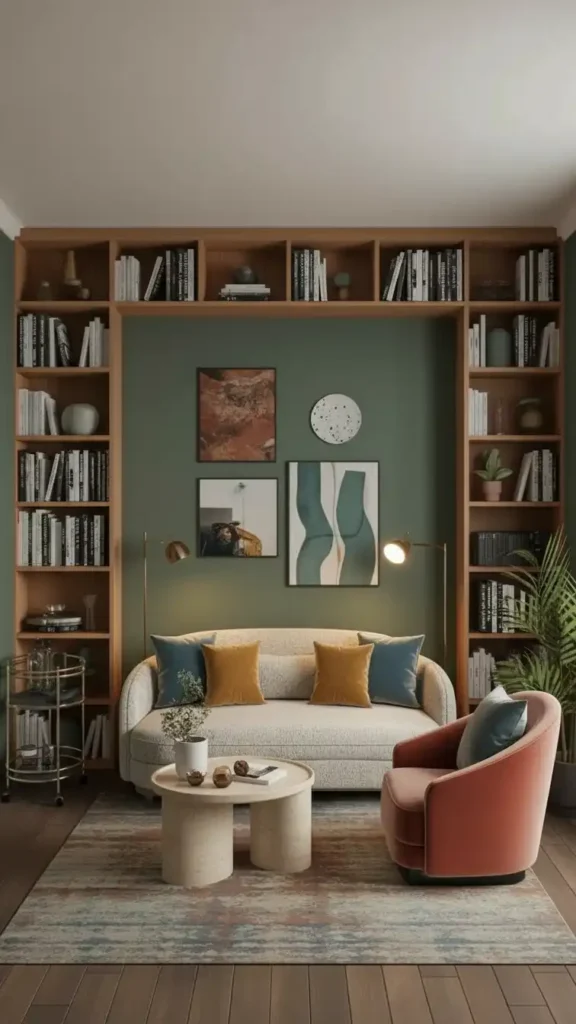
The Circular Coffee Table Advantage
Round tables navigate tight spaces better than rectangular ones.
- No sharp corners to bump into when moving around
- Creates a soft focal point for conversation areas
- Easier to add extra seating around all sides
- Typically available in smaller diameters than square tables
Round shapes improve flow in congested rooms.
Rolling Cart Flexibility
A bar cart or rolling trolley serves multiple purposes.
- Acts as a side table next to the sofa or armchair
- Stores drinks, snacks, books, or plants on multiple tiers
- Moves wherever you need extra surface space
- Adds a decorative element with curated styling
Mobile furniture adapts to changing needs throughout the day.
Wall-Mounted Storage as Decor
Pegboards and rail systems become functional art pieces.
- Mount a peg rail for hanging bags, hats, or small plants
- Customize with hooks and small shelves in various configurations
- Change the arrangement as your needs evolve
- Choose finishes that complement your overall design scheme
Visible storage becomes part of your room’s aesthetic appeal.
The Fold-Down Desk Integration
A wall-mounted desk adds workspace without permanent floor commitment.
- Folds flat against the wall when not needed
- Provides a full working surface when deployed
- Add a corkboard or magnetic board above for inspiration
- Choose designs with built-in storage cubbies
Your living room becomes a creative studio on demand.
Accent Chair Color Injection
A bold upholstered chair introduces personality without overwhelming the space.
- Select one accent chair in a rich, saturated color
- Keep the main sofa neutral for flexibility
- Layer pattern through throw pillows in complementary shades
- Change pillow covers seasonally for easy updates
One statement piece creates interest more effectively than multiple small colored items.
Save this artistic balance technique! 📌
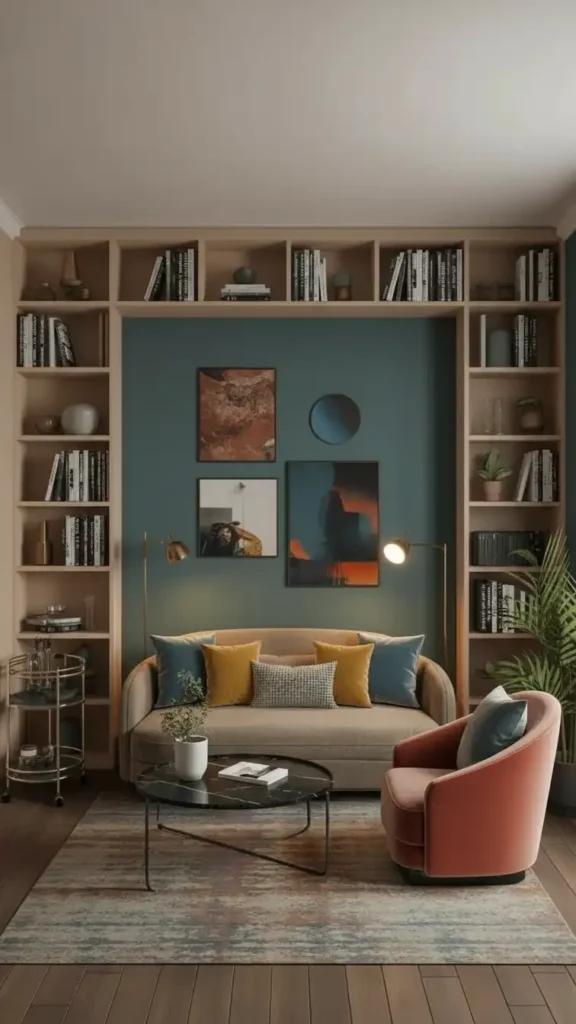
Creative tiny living room designs succeed when you edit ruthlessly and curate intentionally. Every decorative object should hold personal meaning or aesthetic value. This balance between creativity and restraint ensures your space feels purposeful rather than cluttered, allowing your personality to shine without overwhelming the limited square footage.
Cozy Tiny Living Room Designs For Comfortable Living
Creating a warm, inviting atmosphere in a small living room focuses on soft textiles, layered lighting, and furniture that prioritizes comfort. This approach transforms compact spaces into cozy retreats perfect for unwinding after long days.
Deep-Seat Loveseat Selection
Comfort starts with choosing the right foundational seating.
- Prioritize deep cushions over firm, shallow seating
- Add extra throw pillows for adjustable back support
- Choose soft, touchable fabrics like velvet or chenille
- Ensure the seat depth allows you to sit back comfortably
A plush loveseat invites lounging and relaxation immediately.
Layered Textile Strategy
Multiple soft layers create visual and physical warmth.
- Start with a foundation rug in neutral tones
- Add a chunky knit throw blanket over the sofa
- Layer decorative pillows in varying sizes and textures
- Include a sheepskin or faux fur rug for additional softness
These layers make small spaces feel like welcoming cocoons.
The Ottoman Coffee Table Hybrid
A padded ottoman serves triple duty in cozy living rooms.
- Provides comfortable footrest for relaxing evenings
- Functions as coffee table with a decorative tray on top
- Offers hidden storage inside for blankets and magazines
- Adds soft texture instead of hard table surfaces
This piece prioritizes comfort while remaining highly functional.
Pin this cozy living room layering method! 📌
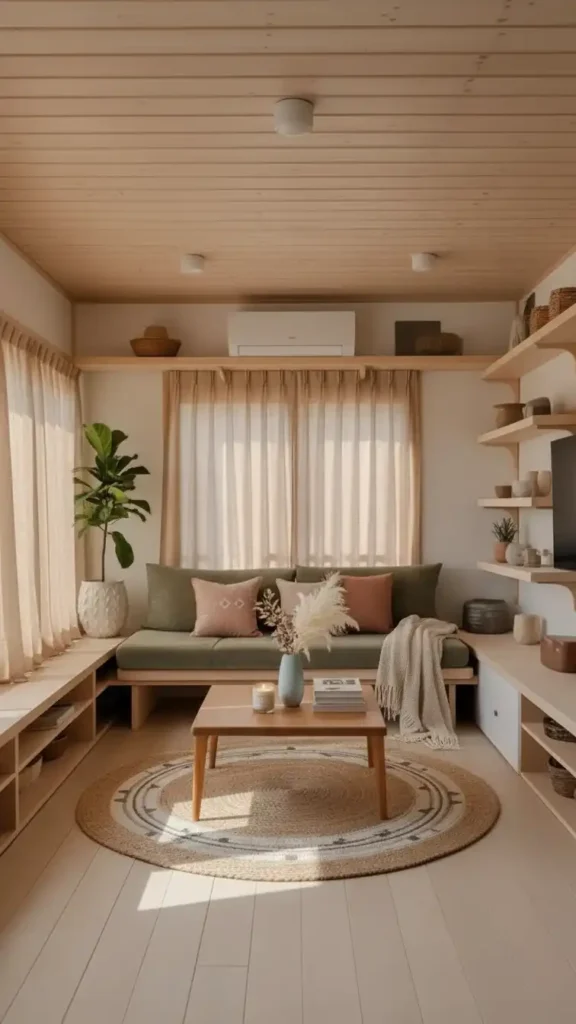
Movable Upholstered Stools
Small stools provide flexible seating without visual bulk.
- Store them under console tables or beside the sofa
- Pull out when guests arrive for extra seating
- Use as footrests or side tables as needed
- Choose upholstered options that match your comfort aesthetic
Mobile seating adapts to different social configurations easily.
The Three-Light Layer Principle
Multiple light sources at different heights create cozy ambiance.
- Install wall sconces at eye level for warm task lighting
- Add table lamps on side tables or consoles
- Include one floor lamp in a corner for ambient light
- Use dimmers on all lights to adjust mood throughout the day
Layered lighting at varied levels creates depth and warmth.
Warm Bulb Temperature Selection
The color of your light bulbs dramatically affects coziness.
- Choose bulbs rated 2700K-3000K for warm, inviting light
- Avoid cool white or daylight bulbs in relaxation spaces
- Test different temperatures to find what feels most comfortable
- Replace all bulbs with the same temperature for consistency
Warm lighting makes tiny spaces feel like comforting refuges.
Concealed Storage for Clutter Control
Hidden storage maintains the peaceful, uncluttered feeling cozy spaces require.
- Use a TV console with doors to hide equipment and cords
- Add closed baskets under benches or tables
- Choose furniture with drawers for everyday items
- Keep surfaces clear except for intentional decorative pieces
A tidy room feels more relaxing and comfortable.
Focal Point Warmth Creation
A visual anchor adds psychological warmth to small living rooms.
- Install a small electric fireplace if space and budget allow
- Create a candle cluster on a tray for ambient flickering light
- Use a large piece of warm-toned artwork as a focal point
- Group family photos in simple frames on one wall section
A clear focal point gives your eyes a resting place and enhances coziness.
Save this comfortable living strategy! 📌
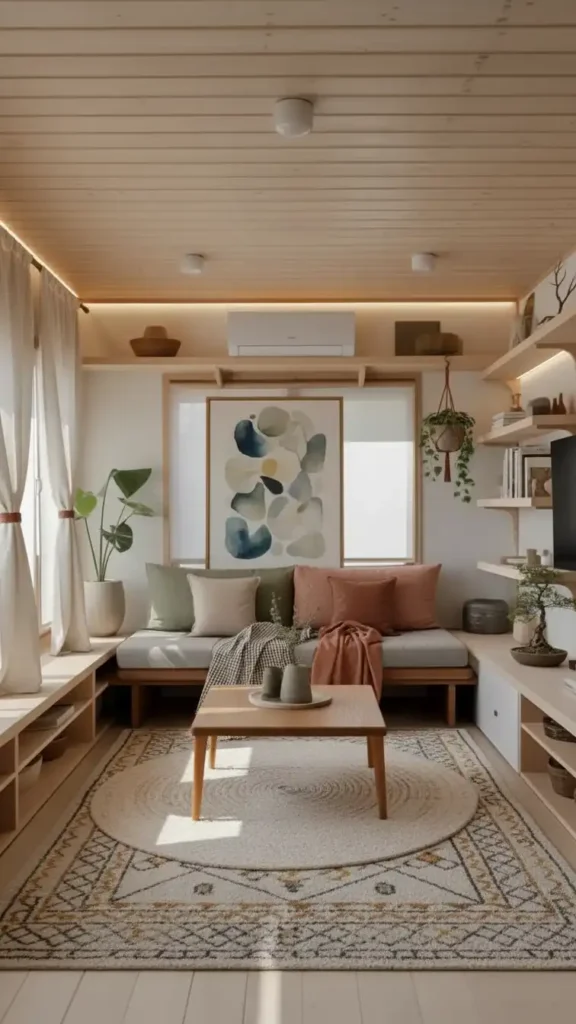
Cozy tiny living room designs prioritize how the space feels over how it looks in photographs. The combination of plush furniture, soft textiles, and warm lighting transforms even the smallest room into a genuine retreat. This approach recognizes that comfort and functionality can coexist beautifully in limited square footage when you focus on the sensory experience.
Minimalist Tiny House Living Room Ideas For Small Spaces
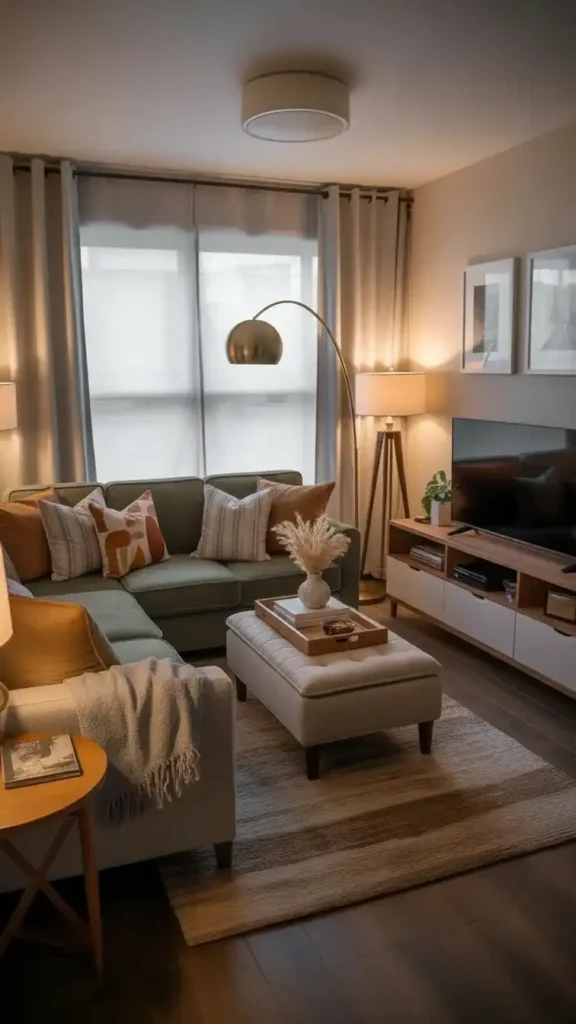
Minimalist design in tiny living rooms embraces the Japandi aesthetic—a blend of Scandinavian simplicity and Japanese serenity. This approach emphasizes natural materials, low-profile furniture, and intentional emptiness that makes small spaces feel calm and spacious.
The Japandi Color Foundation
A serene color palette creates visual calm in minimal spaces.
- Use soft white or cream walls as a neutral backdrop
- Incorporate light wood tones in flooring and furniture
- Add smooth gray fabrics for depth without darkness
- Limit accent colors to natural earth tones
This restrained palette prevents visual overwhelm in compact rooms.
Low-Profile Furniture Selection
Furniture height dramatically affects perceived space in small rooms.
- Choose sofas with low backs and slender legs
- Select coffee tables that sit close to the ground
- Opt for furniture that reveals more floor space underneath
- Avoid bulky, heavy pieces that visually crowd the room
Lower furniture makes ceilings appear higher and rooms feel larger.
The One-Category Rule
Disciplined editing prevents minimalist spaces from accumulating clutter.
- One main sofa, not multiple seating pieces
- One primary table, not several scattered surfaces
- One major storage solution, not multiple small organizers
- One statement plant, not numerous small pots
This approach maintains clean lines and prevents gradual accumulation.
Pin this minimalist editing principle! 📌
Built-In Bench Storage
Integrated seating with hidden storage maximizes functionality.
- Install benches along one wall with lift-up seats
- Add cushions on top for comfortable seating
- Store seasonal items, blankets, or rarely used objects inside
- Create a clean, architectural look without freestanding furniture
Built-in solutions feel permanent and purposeful.
Window Seat Integration
Under-window areas become valuable storage and seating zones.
- Build or install a low bench under the window
- Add a thin cushion for comfortable sitting
- Use the interior for storing items in baskets or bins
- Create a cozy reading nook with natural light
This approach uses otherwise wasted space beneath windows.
Natural Light Maximization
Minimal window treatments preserve brightness in small spaces.
- Use simple roller shades in light neutral fabrics
- Hang linen panels that can be pulled completely aside
- Avoid heavy drapes or dark colors that absorb light
- Keep window areas clear of furniture blocking natural light
Maximum daylight makes tiny minimalist rooms feel more spacious.
Strategic Decoration Editing
Minimalist decor focuses on quality over quantity.
- Display two or three ceramic vases in neutral tones
- Hang one or two pieces of simple artwork
- Include one living plant for organic texture
- Avoid covering every surface with decorative objects
Each item holds visual weight, so fewer creates more impact.
Wall-Mounted Desk Conversion
A floating shelf doubles as workspace in minimal living rooms.
- Install a wall-mounted shelf at desk height
- Use it as occasional workspace when needed
- Fold or remove the chair when not working
- Keep the surface clear when not in use
Multi-functional elements maintain the minimal aesthetic.
Save this Japandi living room approach! 📌
Entrance Organization Without Clutter
A slim rail with hooks replaces bulky coat racks and furniture.
- Mount a simple wooden rail near the entrance
- Add minimal hooks for coats and bags
- Avoid letting items pile on chairs or sofas
- Keep the system simple with one hook per household member
This solution prevents the gradual accumulation of dropped items.
Hidden Technology Integration
Concealed charging and cables maintain clean aesthetics.
- Install outlets inside built-in benches and window seats
- Route cords through furniture instead of across floors
- Use cable clips to secure wires against furniture backs
- Keep devices charging inside closed storage when possible
Invisible technology preserves the calm minimalist atmosphere.
Area Rug Zoning
A large, simple rug defines the living area in open plans.
- Choose a solid color or subtle texture
- Ensure the rug fits under all main seating pieces
- Use light colors to maintain brightness
- Avoid busy patterns that create visual noise
The rug anchors the space without adding complexity.
Minimalist tiny house living rooms succeed through intentional restraint and regular decluttering. Every object serves a clear purpose, whether functional or aesthetic. This approach creates serene spaces where the eye rests easily, making even the smallest rooms feel peaceful and remarkably spacious. The key is choosing fewer items with care rather than filling space out of habit.
Conclusion
Transforming a tiny living room into a space you truly love doesn’t require expensive renovations or knocking down walls. The five approaches in this guide prove that thoughtful design, strategic furniture choices, and smart organization create rooms that feel both spacious and comfortable, regardless of actual square footage.
Start with the approach that resonates most with your lifestyle and aesthetic preferences. Maybe you’re drawn to the cozy textile layers, or perhaps the minimalist Japandi simplicity speaks to you. Remember that the best tiny living room design is one that serves your daily life while reflecting your personal style. Your small space has incredible potential—now you have the tools to unlock it.

“I share simple, beautiful and affordable home decor ideas to help you style every corner of your home with ease.