

Your bed isn’t just furniture anymore—it’s the emotional center of your entire bedroom, the first thing you see in the morning and the last thing you sink into at night. In 2026, bed aesthetics have evolved beyond pretty duvets and Pinterest-perfect pillows into something deeper: layered comfort that actually feels as good as it looks, color palettes that calm your mind instantly, and lighting that transforms your space from functional to sanctuary. Whether you’re chasing that cloud-soft cozy vibe, the clean sophistication of modern design, or the dreamy atmosphere of perfectly lit nights, the right bed aesthetic changes how you experience your entire day.
I’ve watched bedroom trends shift dramatically, but the 2026 direction is clear—people want spaces that look styled without feeling staged, rooms that photograph beautifully but still support real life. This means thoughtful bedding layers that work for actual sleep, lighting plans that shift with your mood, and color combinations that stay interesting for years, not weeks. In this guide, I’m breaking down five proven aesthetic directions that cover everything from warm inviting setups to moody nighttime vibes. Each section gives you the exact framework to choose colors, layer textures, and arrange your space so your bedroom becomes the retreat you’ve been craving.
Cozy Bed Aesthetic Ideas For A Warm And Inviting Room
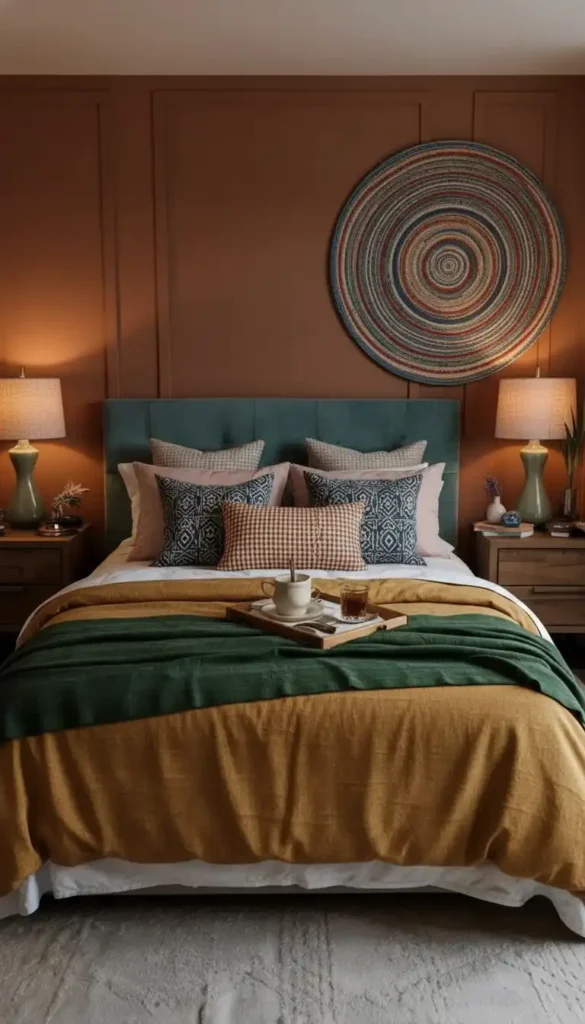
Cozy bed aesthetics in 2026 are about creating warmth through intention, not clutter. This is the aesthetic that makes you want to crawl into bed at 3 PM with a book and stay there until dinner. The secret lies in soft palettes, plush textures, and enough visual calm that the room feels like a hug.
The foundation is always a neutral base—think beige, warm white, and various shades of brown—then one grounded accent color like sage green or muted blue keeps it from feeling flat. This isn’t about piling on throw pillows until you can’t find the mattress; it’s about tailored comfort with clean lines and strategic softness.
Start With a Soft Color Palette
Your color story sets the entire mood. Cozy rooms thrive on warmth, which means choosing tones that feel naturally calming.
- Warm white or cream walls create a soft backdrop that makes everything else glow
- Beige and taupe in various shades add depth without introducing visual noise
- Soft brown tones through wood furniture or accents ground the brightness
- One accent color like sage green, dusty blue, or terracotta prevents the room from reading too neutral
These colors work together because they’re already neighbors in nature—sky, sand, stone, plants.
Layer Your Bedding Strategically
Cozy bedding is about texture variation, not quantity. Each layer should add something different to the experience.
- Breathable cotton or linen sheets as your base—these feel good year-round
- Fluffy duvet in white or cream creates that cloud-like centerpiece
- Textured throw at the foot of the bed (chunky knit, waffle weave, or faux fur)
- Pillow arrangement: two sleeping pillows, two shams, one lumbar pillow for visual finish
This combination looks complete in photos but still functions for actual sleep. You’re not removing twelve decorative pillows every night.
Choose an Upholstered Headboard
An upholstered headboard does triple duty in cozy bedrooms.
- Provides physical comfort for reading or sitting up in bed
- Softens the room acoustically by absorbing sound
- Adds visual warmth through fabric texture
- Works in linen, velvet, or bouclé depending on your style preference
Choose a neutral tone that matches your sheets or go slightly darker for subtle contrast. Either way, the upholstery makes the bed feel more inviting than a hard wood or metal frame.
Pin this cozy foundation! 📌
Add a Bedside Rug for Warmth
A medium-pile rug beside your bed transforms morning routines from jarring to gentle.
- Place it where your feet naturally land when getting out of bed
- Choose wool, cotton, or soft synthetics in warm neutrals
- Size should extend at least 24 inches beyond the nightstand
- Adds visual anchoring that makes the bed feel more grounded
The tactile experience of soft fibers first thing in the morning reinforces the cozy aesthetic every single day.
Include Natural Texture Elements
Cozy rooms need organic materials to feel lived-in, not staged.
- Woven baskets for storing extra throws or magazines
- Wood nightstands with visible grain in warm finishes
- Small plants or dried stems for a gentle green presence
- Gingham accents in pillows or small decor for a subtle cute detail
These natural elements prevent “cozy” from sliding into “hotel generic.” They add personality while maintaining the warm, inviting vibe.
Control Your Lighting Temperature
Harsh overhead lighting kills cozy instantly. Layer warm, diffused light sources instead.
- Shaded table lamp on each nightstand with 2700K bulbs
- Avoid bright overhead fixtures or put them on dimmers
- Indirect lighting like wall sconces or LED strips creates gentle glow
- Natural light filtered through linen or cotton curtains during the day
Warm light makes wood tones richer, textiles softer, and the entire space more inviting.
Edit for Breathing Room
The difference between cozy and cluttered is ruthless editing.
- Keep one surface completely clear—usually a nightstand—so your eye has a resting place
- Store extra blankets in baskets or under-bed bins, not piled on chairs
- Limit decorative objects to one or two meaningful pieces per surface
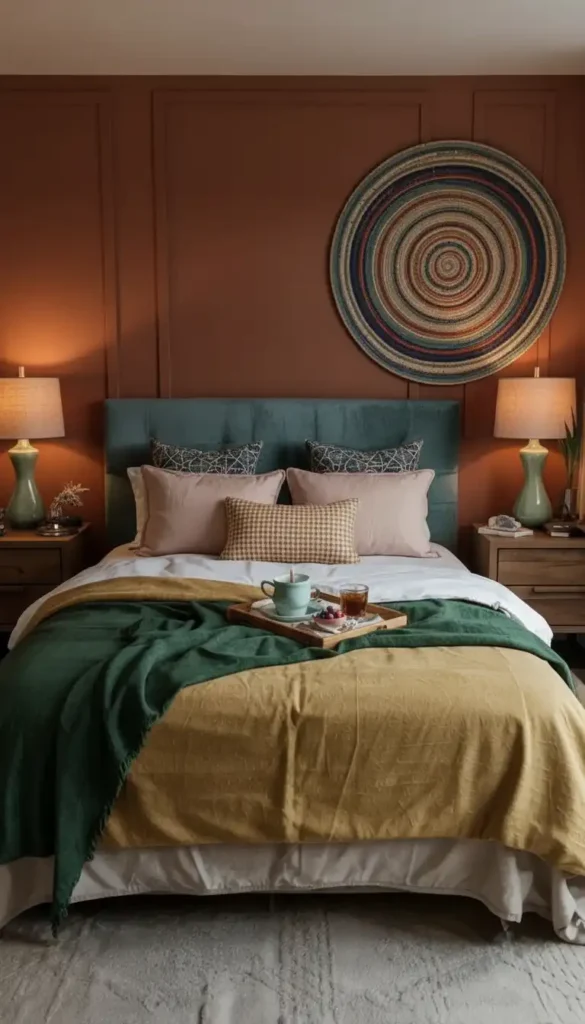
- Use a simple tray for breakfast in bed or coffee in bed moments—then tuck it away
Cozy should feel effortless, like the room naturally landed this way. That only happens when you remove what doesn’t serve the mood.
Save this cozy editing strategy! 📌
Add One Oversized Wall Element
Blank walls can make even the coziest room feel unfinished.
- Choose one large print or piece of art in warm neutrals
- Frame it simply—wood or no frame works better than ornate
- Position it above the bed or on the largest wall
- Keep the subject matter calm—abstract, landscape, or botanical
This single element completes the visual story without adding clutter or competing with the bed’s softness.
Modern Bed Aesthetics That Define Bedroom Style In 2026
Modern bed aesthetics are defined by clarity, proportion, and quiet confidence. This is the aesthetic for people who want their bedroom to look intentional and premium without relying on constant restyling. Every element has a purpose, and nothing is there just to fill space.
The modern approach works through symmetry, negative space, and materials that feel substantial. Start with a simple bed frame in black, light oak, or upholstered white, then build around it with streamlined furniture and controlled accents. The result feels larger, calmer, and undeniably current.
Choose a Clean-Lined Bed Frame
Your bed frame sets the entire modern tone. It should be architectural without being heavy.
- Low-profile platforms create horizontal lines that make ceilings feel higher
- Upholstered frames in white, gray, or cream add softness while staying minimal
- Light oak or black metal frames work for a slightly more industrial modern feel
- No ornate details—the beauty is in proportion and simplicity
The frame should anchor the room without demanding attention.
Create Perfect Symmetry
Modern bedrooms thrive on balanced visual weight.
- Matching nightstands on both sides of the bed, even if they’re small
- Identical lamps or sconces for cohesive lighting
- Centered bed placement on the main wall whenever possible
- Matching heights—keep nightstands and headboard proportionally aligned
Symmetry makes the room feel professionally designed, not accidentally arranged.
Use Crisp, Smooth Bedding
Modern aesthetics favor clean surfaces and precise folds.
- Percale sheets in white or soft neutrals—these stay crisp and smooth
- Solid color duvet without patterns or heavy texture
- Minimal pillow arrangement—two sleeping pillows, two Euro shams maximum
- Smooth throws in fine knit or cotton rather than chunky textures
Wrinkles disrupt the modern look, so choose fabrics that naturally stay neat or commit to making the bed daily.
Pin this modern bed framework! 📌
Add One Shape Contrast Element
Modern rooms need one unexpected shape to avoid feeling too rigid.
- Round mirror above the bed or on an adjacent wall
- Circular wall sculpture or art piece for geometric interest
- Curved bench at the foot of the bed softens the straight lines
- Globe pendant light instead of angular fixtures
This single curve makes the room feel considered and sophisticated, not formulaic.
Layer Your Lighting Intentionally
Modern spaces depend on lighting to feel warm instead of sterile.
- Soft overhead fixture—flush mount or low-profile pendant on a dimmer
- Two bedside lamps or sconces for task lighting and symmetry
- Optional LED strip behind the headboard for ambient glow
- Warm bulbs (2700K-3000K) to prevent the space from feeling clinical
The layering creates mood and flexibility without adding visual clutter.
Keep a Controlled Color Accent
Modern doesn’t mean colorless—it means intentional.
- Use white and beige as your base palette
- Add one accent color through a single pillow and one art piece
- Choose muted tones—sage green, dusty blue, warm terracotta
- Repeat the accent only twice in the room to avoid overpowering the calm
This restraint makes the accent feel purposeful, like a design decision rather than leftover decor.
Integrate Hidden Storage
Modern bedrooms stay visually calm by hiding clutter brilliantly.
- Bed frames with drawers eliminate the need for under-bed bins
- Storage ottoman at the foot of the bed holds extra blankets
- Nightstands with closed fronts keep surfaces clear
- Built-in wardrobes matching the room’s finish hide clothing
Storage should be abundant but invisible, allowing the clean lines to dominate.
Save this modern detail list! 📌
Choose One Large Art Piece
In modern bedrooms, one substantial piece of art works better than a gallery wall.
- Select something 36 inches or larger for visual impact
- Keep the subject abstract or minimal—photography, geometric art, or monochromatic pieces
- Frame simply in black, white, or natural wood with clean lines
- Center above the bed or position on the largest wall
This approach reinforces the modern principle: fewer, better choices over many small ones.
Bed Aesthetic Ideas That Instantly Transform Your Space
When you need visible change fast, focus on elements that shift the entire room’s energy at once. The bed occupies the largest visual area in any bedroom, so refreshing the bedding and the wall behind it creates maximum impact with minimum effort.
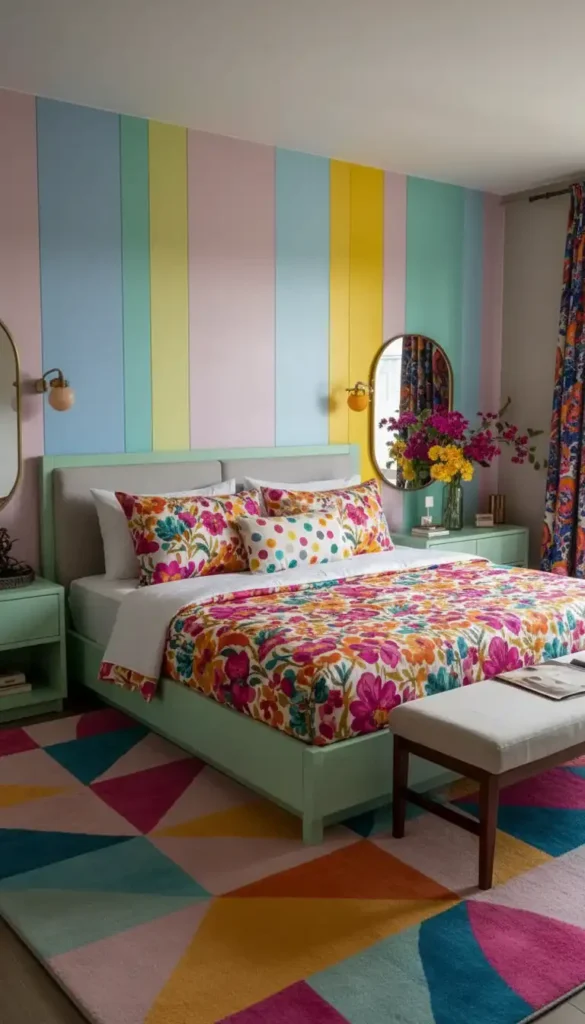
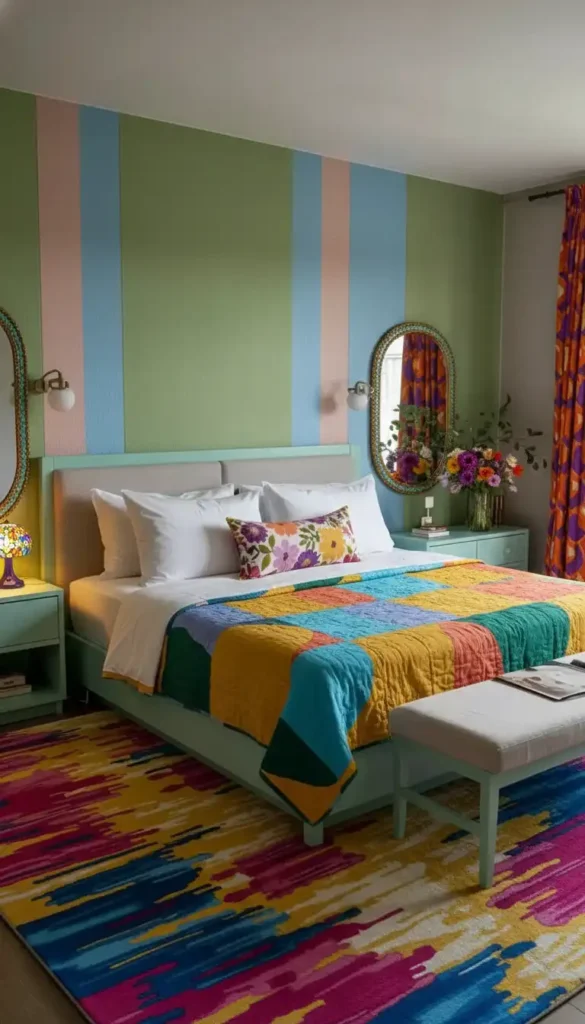
Choose a clear aesthetic direction—cloud-soft white, earthy brown and green, or playful pink and gingham—then commit to it through your main layers. Even if your furniture stays identical, this targeted approach makes the room feel completely new in a single afternoon.
Start With Statement Bedding
Your bedding is the fastest transformation tool you own.
- Choose new sheets in a color or pattern that defines your aesthetic
- Select a duvet cover that matches your mood—solid for modern, textured for cozy
- Add one contrasting throw that introduces visual interest
- Keep pillowcases simple so the overall look stays balanced
This three-layer approach—sheets, duvet, throw—creates instant cohesion without requiring professional styling.
Define Your Color Story
Commit to a clear palette before buying anything.
For soft and youthful:
- Pastel pink, soft blue, or lavender
- Pair with white or cream to keep it balanced
- Add small gingham patterns for a cute, gentle vibe
For grounded and adult:
- Beige and brown as the base
- Accent with sage green or muted terracotta
- Use natural wood tones throughout
For fresh and bright:
- Crisp white with one bold accent
- Keep metals consistent (all brass or all black)
- Add greenery for life
The clarity of your color story makes everything else—from rugs to lamps—easier to choose.
Pin this transformation formula! 📌
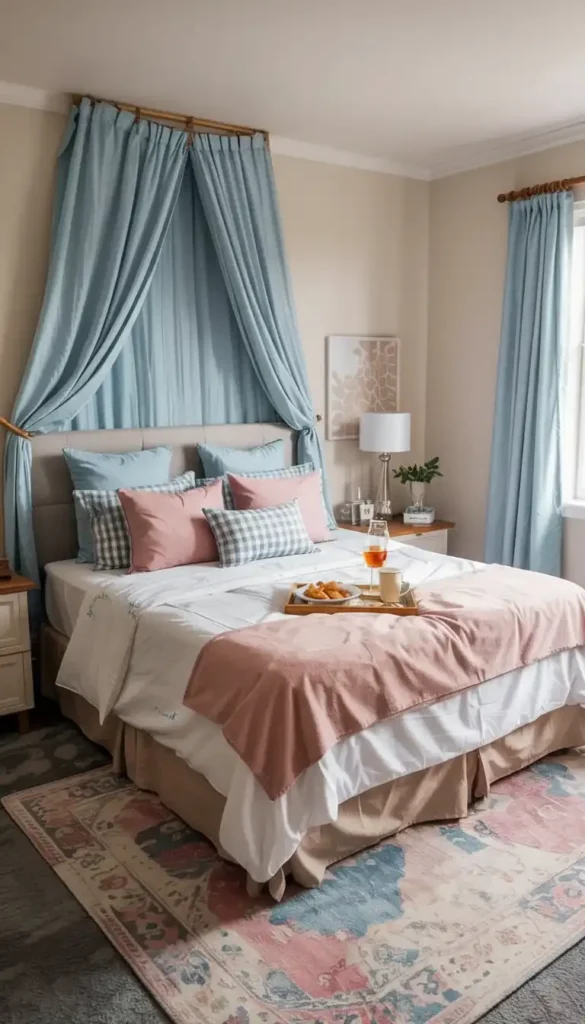
Add a Canopy for Drama
A ceiling-mounted fabric canopy frames the bed instantly and creates visual height.
- Simple white or cream fabric for romantic, airy feel
- Hang from ceiling mount or tension rod across the headboard wall
- Keep fabric light so it doesn’t block natural light or feel heavy
- Works in any size room because it draws the eye upward, not outward
This single addition makes the bed feel like a destination, not just furniture.
Echo Your Bedding Color Elsewhere
Repetition creates cohesion that makes the transformation feel intentional.
- Match your bedding accent color in one throw pillow on a chair
- Repeat the tone in a lamp shade, vase, or art print
- Use the same texture somewhere else—if your throw is chunky knit, add a knit basket
- Keep it to 2-3 repetitions so it doesn’t become a theme park
This technique makes your new bedding look like part of a designed space, not a random swap.
Update Window Treatments to Match
Curtains or shades that complement your new bedding complete the visual story.
- Choose similar color temperature—warm bedding needs warm curtains
- Match the formality level—casual linen bedding pairs with linen curtains
- Keep them simple if your bedding is patterned; add interest if bedding is solid
- Floor-length panels always look more finished than short curtains
This creates a visual frame around your bed that amplifies the transformation.
Adjust Your Nightstand Styling
Small surface changes reinforce your new aesthetic.
- Switch out lamp shades to match your new color palette
- Add one object in your accent color—a vase, book cover, or small sculpture
- Clear unnecessary items so the nightstand supports the aesthetic, not fights it
- Keep charging cables hidden in a drawer or cable management box
The nightstand should echo your bed’s vibe, not introduce a competing story.
Create a Styling Kit
Make your transformation sustainable by preparing for real life.
- Two pillow sets: everyday pillows and quick-styling pillows
- Lidded basket for storing extra throws when not in use
- Simple tray for breakfast in bed or coffee in bed moments
- Wipeable runner to protect bedding during morning routines
These tools let you maintain your styled look without constant effort or stress.
Save this quick-change strategy! 📌
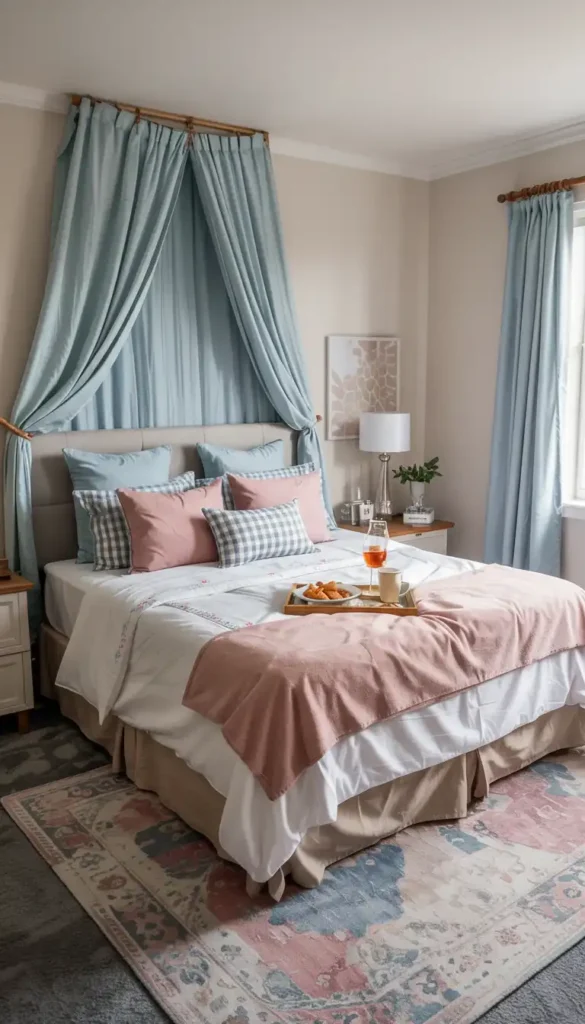
Swap One Rug for Instant Grounding
If your bedding changes but your rug stays, the room can feel disconnected.
- Choose a rug that echoes your new bedding palette
- Texture matters—soft and plush for cozy, flat weave for modern
- Size appropriately—should extend at least 18-24 inches beyond the nightstands
- Layer smaller rugs over a larger neutral base if budget is tight
The rug visually anchors your bed and makes the color story feel complete from floor to ceiling.
Bed Aesthetic Room Concepts For A Calm And Balanced Look
A calm, balanced bedroom is built on even visual weight and thoughtful restraint. Nothing feels heavy on one side, colors repeat with purpose, and the room supports rest instead of stimulation. This aesthetic works through repetition, symmetry, and a palette that naturally calms the nervous system.
In 2026, balanced rooms aren’t about being empty—they’re about being thoughtfully edited. Every piece serves multiple purposes: functional, visual, and emotional. The result is a space that looks professionally designed but feels deeply personal.
Center Your Bed and Match Nightstands
Physical symmetry creates instant visual calm.
- Center the bed on the main wall whenever room layout allows
- Use matching nightstands even if they’re simple cubes or small shelves
- Keep nightstand heights similar—within 2-3 inches of each other
- Mirror your styling—if one side has a lamp and plant, the other should too
This balanced arrangement tells your brain the space is organized and safe, which translates to feeling more restful.
Choose a Consistent Color Story
Color repetition ties the room together without effort.
Calming palettes for 2026:
- White, beige, and sage green
- Soft gray, cream, and muted blue
- Warm white, brown, and terracotta
How to distribute color:
- Walls in the lightest shade
- Bedding in mid-tones
- Accents in the richest version
This gradation creates depth while maintaining harmony.
Repeat Wood Tones and Metal Finishes
Material consistency makes the room feel curated.
- Match wood tones between bed frame and dresser (both warm oak, both walnut, etc.)
- Use one metal finish throughout—all brass, all matte black, all brushed nickel
- Repeat the finish in lamp bases, curtain rods, drawer pulls, and picture frames
- Avoid mixing more than two metal finishes in one room
When materials repeat, the room reads as cohesive even with furniture from different sources.
Pin this balance blueprint! 📌
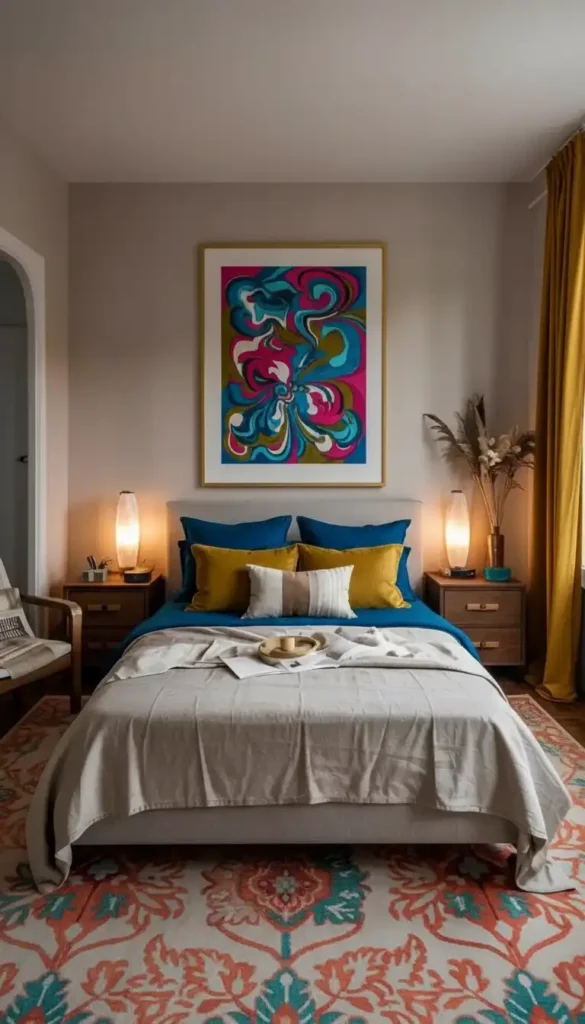
Layer Simple Bedding Without Excess
Balanced bedrooms need enough layers for comfort, not decoration.
- Breathable sheets as your foundation
- One duvet or comforter in a solid or very subtle pattern
- Single throw at the foot for texture and warmth
- Four to six pillows total—not twelve decorative pillows you remove nightly
This approach looks finished but doesn’t create daily work maintaining it.
Add Warm, Diffused Lighting
Light quality affects perceived balance as much as furniture placement.
- Bedside lamps with fabric shades that diffuse rather than direct light
- Warm bulbs (2700K) that create gentle, flattering glow
- Dimmers on overhead fixtures to control intensity
- Avoid harsh downlights that create strong shadows and visual tension
Soft, even lighting makes the room feel gentle and welcoming at all hours.
Include One Reading Chair or Loveseat
A secondary seating area adds functional balance.
- Gives you a place to sit that’s not the bed
- Creates a reading zone for overflow when you’re in bed
- Adds visual interest through a different furniture silhouette
- Works even in smaller rooms if you choose a compact chair
This prevents the bed from being the only destination in the room, which feels more balanced psychologically.
Use Subtle Patterns Sparingly
High-contrast patterns disrupt calm, but subtle patterns add gentle interest.
- Low-contrast gingham in bedding or pillows
- Thin stripes in neutral tones on curtains
- Tone-on-tone textures like embossed florals or geometric weaves
- Limit to one or two patterned elements per room
These quiet patterns create visual texture without competing for attention.
Save this calm-room formula! 📌
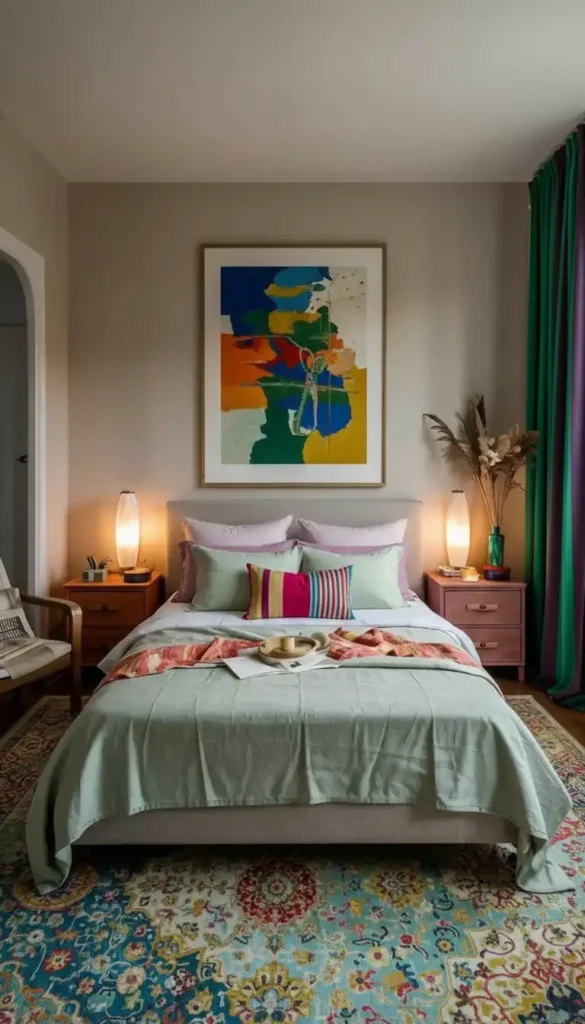
Implement Closed Storage Solutions
Visual clutter disrupts balance faster than anything else.
- Dresser with solid fronts instead of open shelving
- Nightstands with drawers to hide charging cables and personal items
- Under-bed storage bins with lids to contain extra bedding
- Wardrobe with doors keeps clothing completely out of sight
When small objects are hidden, the room’s calming lines can actually be seen and appreciated.
Add Blackout or Lined Window Treatments
Control over light and privacy reinforces the room’s calming function.
- Blackout curtains or cellular shades improve sleep quality dramatically
- Lined curtains also add acoustic softness that reduces echo
- Choose colors that complement your wall and bedding tones
- Floor-length panels create vertical lines that make ceilings feel higher
Better light control also makes nighttime lighting more dramatic and intentional.
Center One Large Neutral Artwork
A single focal point above the bed completes the balanced composition.
- Choose abstract, landscape, or minimal botanical subjects
- Size should be at least two-thirds the width of the headboard
- Neutral tones that complement without competing
- Simple frame or no frame to keep the focus on the image
This final element tells the eye where to rest, completing the room’s visual story.
Bed Aesthetic Night Vibes With Soft Lighting And Textures
Nighttime bed aesthetics are about creating a room that transforms after sunset—softer, moodier, more cinematic than its daytime self. This is achieved through layered lighting that reduces glare, textures that catch warm light beautifully, and colors that deepen rather than flatten in low light.
In 2026, nighttime vibes often incorporate slightly darker palettes—smoky blue, deep green, or black accents—that create drama without sacrificing comfort. The room should feel like an invitation to slow down, wrap yourself in softness, and let the day go.
Build a Layered Lighting Plan
Night vibes depend on light more than any other factor.
Essential layers:
- Bedside lamps or wall sconces for reading and ambient glow
- Dimmable overhead fixture to control overall room brightness
- Low accent lighting like LED strips behind the headboard or under the bed frame
- Optional candles for special evenings (real or battery-operated)
Never rely on one bright overhead light. Layering creates depth and mood that makes evenings feel special.
Choose Textures That Glow in Warm Light
Materials respond differently to light. Night aesthetics favor those that warm up beautifully.
- Velvet or bouclé throws and pillows reflect light softly
- Smooth, cool sheets (percale or sateen) feel luxurious against skin
- Chunky knit blankets create shadow patterns and textural depth
- Matte wood finishes warm up under incandescent light
Mix at least three textures on the bed so the layers feel rich and intentional.
Use Deeper Accent Colors
While daytime aesthetics often favor light neutrals, nighttime vibes benefit from depth.
- Smoky blue or slate gray bedding creates sophisticated drama
- Deep green in throws or pillows feels both calming and luxe
- Black metal accents in lamps, frames, or hardware add contrast
- Charcoal or navy curtains frame the bed beautifully at night
These colors photograph dramatically and create a mood that’s distinctly evening-focused.
Pin this nighttime lighting guide! 📌
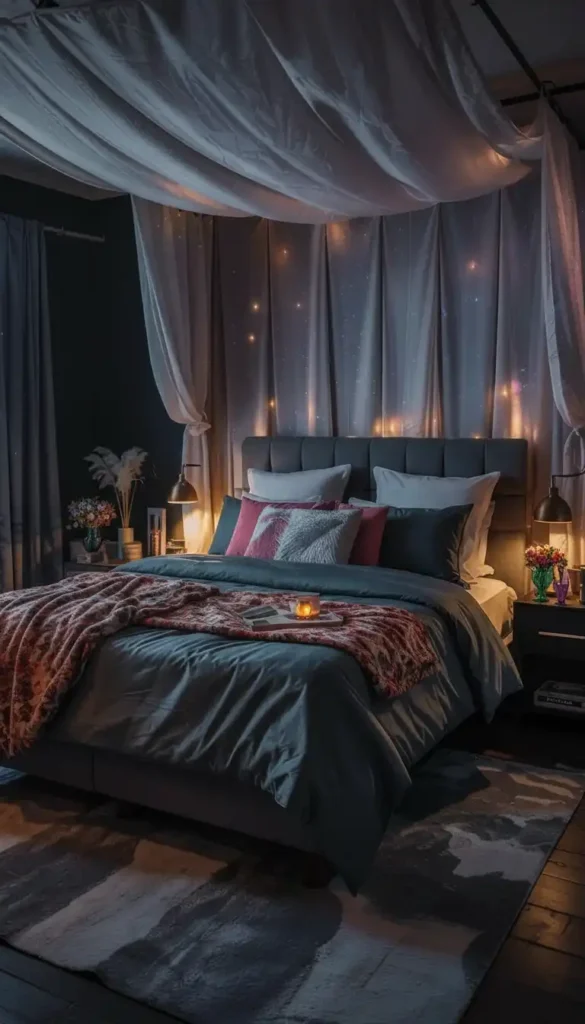
Position Low Lights Strategically
Light placed below mattress height creates unexpected intimacy.
- Small lamps on the floor behind nightstands cast gentle upward glow
- LED strips under the bed frame create a floating effect
- Low wall sconces (18-24 inches above nightstand surface) keep light at reading level
- Avoid bright task lights that shine directly in your eyes
Low light placement makes the room feel cocoon-like and intentionally designed for rest.
Add a Canopy for Framed Drama
Fabric canopies amplify nighttime atmosphere dramatically.
- Light, flowing fabric in white, cream, or gray catches and diffuses light
- Ceiling-mounted frames the bed without blocking circulation
- Creates shadow patterns as fabric moves gently
- Works with LED strips or string lights woven through for extra magic
The canopy transforms the bed into a distinct zone within the room—perfect for creating that retreat feeling.
Include Reflective Accents
Strategic shine bounces warm light around the room and prevents flatness.
- Small mirror on a dresser or wall reflects lamplight
- Glossy ceramic vases or metallic objects catch light subtly
- Brass or gold lamp bases warm up the entire lighting scheme
- Limit to 2-3 reflective items so the room doesn’t feel shiny
Reflective surfaces make small amounts of light go further, creating richness without adding fixtures.
Choose Warm Bulb Temperatures
Color temperature makes or breaks nighttime aesthetics.
- 2700K bulbs create the warmest, most flattering glow
- Avoid anything above 3000K which reads too cool and office-like
- Use dimmers so you can adjust intensity for different activities
- Smart bulbs allow color temperature changes if you want flexibility
The right bulb temperature makes skin tones, wood, and textiles all look richer and more inviting.
Save this mood-lighting strategy! 📌
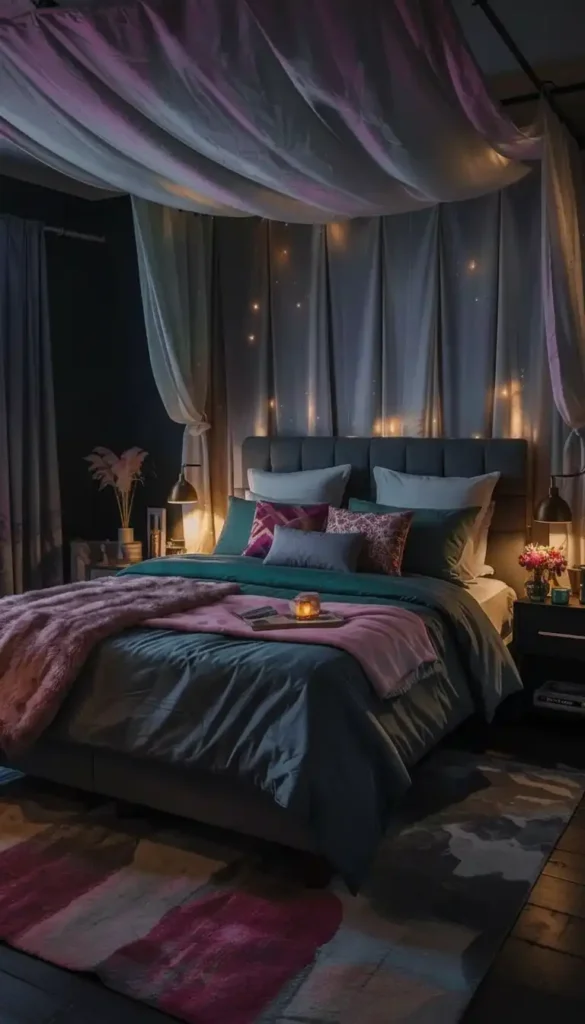
Add Sound-Softening Elements
Night vibes aren’t just visual—they’re acoustic too.
- Thick curtains absorb sound and create hushed atmosphere
- Upholstered headboard reduces echo in the room
- Plush area rug dampens footsteps and hard surface noise
- Fabric wall panels or tapestry if the room feels too echoey
Softer acoustics make the space feel more suite-like and luxurious, enhancing the nighttime retreat experience.
Keep Bedding Palette Controlled
At night, too many colors create visual chaos. Controlled palettes photograph better and feel calmer.
- Stick to 2-3 colors maximum across all bedding and throws
- Use varying shades of the same color for depth without complexity
- Keep patterns minimal—solid colors or tone-on-tone textures work best
- Let lighting create the drama rather than relying on busy bedding
This restraint allows the lighting and textures to be the stars, which is exactly what creates night vibes.
Conclusion
Creating the perfect bed aesthetic in 2026 isn’t about copying a single Pinterest image—it’s about understanding which elements make a bedroom feel the way you want it to feel, then building those layers intentionally. Whether you’re drawn to the soft warmth of cozy setups, the clean sophistication of modern design, the instant impact of strategic transformations, the visual peace of balanced rooms, or the moody drama of nighttime lighting, each aesthetic works because it solves real problems: how to rest better, how to make small spaces feel larger, how to create beauty that lasts beyond the first Instagram post.
The best bed aesthetics are the ones you can actually maintain. They use bedding you want to sleep in, lighting that supports your routines, and colors that still feel good six months from now. Start with the aesthetic direction that matches your natural inclinations—if you love soft things, go cozy; if you crave clarity, choose modern. Then build it layer by layer: sheets, duvet, lighting, one accent color, strategic storage. When you get the foundation right, your bedroom becomes more than just a place to sleep. It becomes the room you can’t wait to return to, morning and night.

“I share simple, beautiful and affordable home decor ideas to help you style every corner of your home with ease.