

There’s a reason why the best backyard memories happen around a bar—it’s where the cold drinks meet the warm conversation, where the grill master stays connected instead of isolated, where guests naturally gather without being directed. But here’s what separates a backyard bar that gets constant use from one that collects dust and spider webs: intentional design that supports how you actually entertain, not just how it looks in a staged photo. A poorly planned outdoor bar becomes a cluttered shelf, an awkward obstacle, or a space that only works when the weather is perfect and you have hours to prepare.
The best outdoor bars in 2026 balance function with atmosphere—they’re positioned for natural flow, built with materials that handle real weather, and designed to support both quick weeknight grilling and full weekend hosting. Whether you’re working with a sprawling backyard that can accommodate distinct zones, a compact patio where every inch counts, or somewhere in between, this guide breaks down five practical approaches to creating outdoor bars that actually earn their footprint. Let’s build something you’ll use, not just admire.
Backyard Bar And Grill Ideas Outdoor For Weekend Hosting
A successful hosting setup treats the bar and grill as one integrated outdoor room where cooking, serving, and socializing happen simultaneously without crowding.
The goal is keeping guests engaged with the cook while maintaining comfortable separation from heat and smoke.
The Parallel Bar and Grill Configuration
Position the bar to support conversation without interfering with cooking:
- Straight bar run parallel to the grill station allows guests to watch and chat safely
- 3-4 feet of separation between active grill and bar seating prevents smoke exposure
- Cook faces guests rather than turning their back to the gathering
- Shared prep counter between grill and bar creates efficient workflow
This arrangement transforms isolated grilling into social cooking.
Covered Edge Creates Year-Round Usability
Overhead protection extends your hosting season dramatically:
- Pergola or partial roof defines the hosting zone visually
- Protects bar surface from sun damage and unexpected rain
- Supports integrated lighting for evening entertaining
- Creates room-like boundaries without closing off the space
Even a simple shade structure makes the difference between fair-weather and reliable hosting.
Essential Lighting Extends Your Hours
Treat lighting as functional infrastructure, not decoration:
- Task lighting over grill and prep areas (minimum 500 lumens)
- Ambient lighting above bar seating creates warmth without glare
- Pathway lighting from house to outdoor bar area
- Dimmable controls allow mood adjustment throughout the evening
Proper lighting transforms your hosting window from 4 hours to 8+ hours daily.
📌 Pin this hosting bar layout! 📌
The Bar-Height Overhang Strategy
Design the counter for both serving and seating:
- 12-15 inch overhang provides comfortable knee clearance for bar stools
- 42-inch bar height (standard) or 36-inch counter height based on preference
- Heat-resistant surface (granite, concrete, tile) for direct serving from grill
- Vertical slatted wood front hides wear while maintaining modern aesthetics
This dual-purpose design maximizes functionality in minimal footprint.
Strategic Landing Zones Prevent Chaos
Dedicated surfaces keep the cook organized:
- Minimum 18-inch prep area immediately adjacent to grill
- Heat-safe landing zone within arm’s reach for hot pans and platters
- Small drink tub or beverage cooler built into bar structure
- Serving board storage (vertical slots or drawer)
These details separate smooth hosting from constant trips indoors.
Seating That Encourages Lingering
Comfort directly impacts how long guests stay:
- Bar stools with backs and footrests rather than backless versions
- Weather-resistant cushions in neutral tones
- 3-4 stools for typical hosting (more feels crowded at compact bars)
- 24-inch spacing between stool centers for comfortable shoulder room
When seating is genuinely comfortable, conversations naturally extend.
The Rolling Cart Addition
Flexibility matters during active hosting:
- Portable cart serves as mobile prep station, drink caddy, or cleanup helper
- Holds condiments, extra plates, and serving utensils during cooking
- Can be moved aside when not hosting
- Provides speaker platform or decorative display between gatherings
This single addition often gets more use than expensive built-ins.
📌 Save this weekend hosting strategy! 📌
Storage That Supports Quick Cleanup
Fast cleanup encourages frequent use:
- Weather-safe cabinet for grilling tools, napkins, and basic supplies
- Wipe-clean surfaces (sealed concrete, porcelain tile, stainless)
- Dedicated trash and recycling built into bar structure
- Tool hooks on grill side for frequently used utensils
When cleanup takes 10 minutes instead of 45, you’ll grill more often.
Outdoor Backyard Bar Ideas That Feel Like A Real Destination
Destination bars create atmosphere through intentional design moves that signal “you’ve arrived somewhere special.”
The difference between a functional bar and a destination isn’t size or budget—it’s the sense of immersion and escape.
Create A Sense of Arrival
Design the approach to build anticipation:
- Short pathway with different paving material than surrounding yard
- Change in elevation (single step up or down) marks entry
- Focal point visible from house (bar canopy, feature wall, statement lighting)
- Subtle boundary (low planters, change in ground cover) defines the zone
These transitions transform “walking to the bar” into “arriving at the bar.”
The Backdrop Makes the Statement
A strong vertical element anchors the destination feel:
- Wood slat wall in horizontal or vertical orientation
- Textured stone panel or stacked ledger stone
- Smooth stucco finish in contrasting color
- Metal panel with geometric pattern for industrial-modern aesthetics
This backdrop gives the bar visual weight that commands attention.
Layered Lighting Creates Resort Atmosphere
Multiple light sources at different heights build ambiance:
- Soft overhead glow (string lights, pendant, or recessed cans in pergola)
- Low pathway lights that guide approach without flooding space
- Backlit shelving or under-bar LED strips
- Tabletop lanterns or candles for intimate warmth
This layering creates the “I could be at a resort” feeling.
📌 Pin this destination bar design! 📌
Mixed Seating Encourages Different Experiences
Variety in seating height and style extends stay duration:
- Bar stools for active socializing and proximity to drinks
- Two low lounge chairs nearby for relaxed conversation
- Small side table between lounge chairs
- Bench with cushions as alternative perching spot
This mix accommodates both energetic gatherings and quiet moments.
The Modern Tiki Approach
Tropical aesthetics work in 2026 when restrained and edited:
- Clean bamboo accents rather than kitschy tiki masks
- Light natural wood bar face with simple vertical lines
- One or two oversized statement pieces (large lantern, sculptural planter)
- Restrained color palette (natural wood, white, black, single accent color)
Modern tiki feels vacation-inspired without theme park energy.
Functional Drink Station Details
Small service elements elevate the experience:
- Sink bowl or rinsing tub for quick glass rinses
- Open shelving for attractive glassware display (6-8 glasses maximum)
- Closed cabinet for everything else to maintain visual calm
- Small cutting board area for garnish prep
These details make the bar genuinely functional, not just decorative.
Strategic Fire Feature Placement
Fire adds drama when positioned correctly:
- Fire table or built-in fireplace 8-10 feet from bar for warmth without interference
- Creates secondary focal point that balances the bar
- Extends usable season into cooler months
- Positioned for seating view rather than behind bar
Fire features anchor the destination feel while providing practical warmth.
📌 Save this atmosphere-building approach! 📌
Sensory Details That Create Memory
Subtle touches make the space memorable:
- Fragrant herbs (rosemary, mint) in planters near bar
- Textured materials that invite touch (smooth stone, warm wood, woven elements)
- Quality outdoor speaker positioned for even sound coverage
- Wind chimes or water feature for subtle ambient sound
These sensory layers create the “something special” feeling.
Outdoor Bar Ideas For Backyard Patio Layouts That Flow
Patio bars succeed by respecting natural circulation patterns rather than disrupting them.
The bar should sit on the edge of traffic flow, accessible but never obstructive.
Map Movement Before Placing Furniture
Understanding traffic patterns prevents bottlenecks:
- Identify primary routes (back door to grill, seating to bar, bar to trash)
- Maintain 36-inch minimum clearances for comfortable passage
- Position bar perpendicular to house to create visual divider without blocking flow
- Keep 48 inches behind bar stools for people to pass while seats are occupied
This planning ensures the bar enhances rather than impedes patio use.
The Slim Bar Footprint Advantage
Compact bars preserve precious patio space:
- Narrow bar depth (18-22 inches deep) sufficient for serving without overwhelming
- Waterfall edge or clean wood wrap maintains modern aesthetics
- Stools that tuck completely under overhang when not in use
- Wall-mounted or space-saving accessories instead of freestanding pieces
Every inch saved contributes to better overall flow.
Material Continuity Creates Cohesion
The bar should feel integrated, not added:
- Match patio materials (concrete-look counter with metal accents for modern patios)
- Repeat wood tones from deck or fence in bar face
- Coordinate hardware finishes (matte black, brushed nickel) across all elements
- Use similar color palette as surrounding outdoor furniture
This integration makes the bar feel original to the space.
📌 Pin this patio flow strategy! 📌
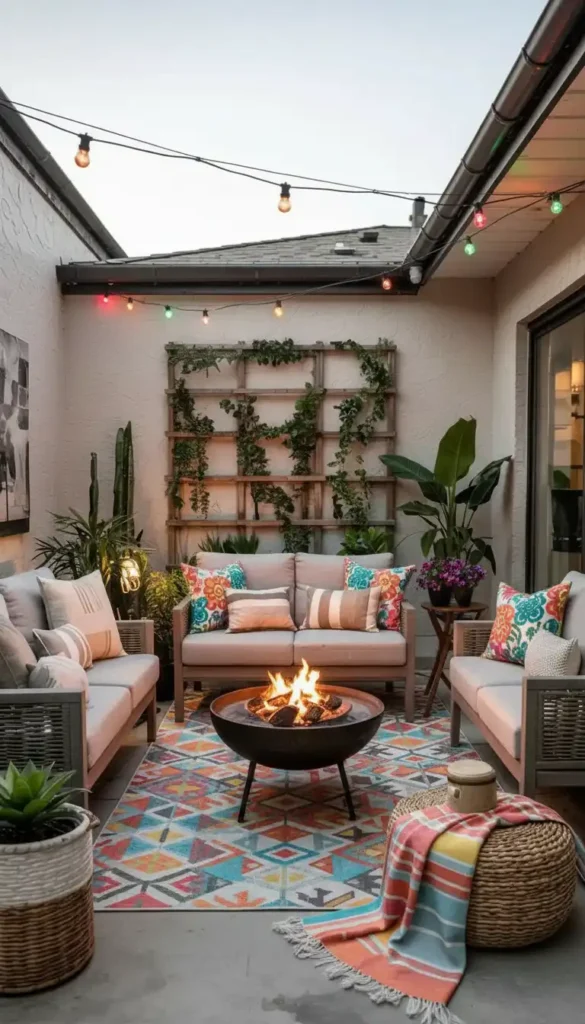
Portable Bar Solutions for Flexibility
Movable options adapt to changing needs:
- Wheeled bar cart (powder-coated steel or teak) as primary serving station
- Fold-down wall shelf that expands when hosting, disappears when not
- Modular components that reconfigure based on guest count
- Lightweight stools that stack or hang on wall hooks
Portability prevents the locked-in feeling that plagues small patios.
Vertical Storage Preserves Floor Space
Build upward to maintain openness:
- Wall-mounted shelving for glassware and decorative bottles
- Pegboard or slatwall for hanging tools and accessories
- Overhead pot rack style for hanging stemware
- Tall narrow cabinet (12 inches deep maximum) for supplies
Vertical solutions deliver storage without consuming circulation space.
Testing the Layout Before Finalizing
Physical mockups prevent expensive mistakes:
- Use cardboard boxes to represent bar and stool footprints
- Walk through typical patterns with mockup in place
- Test with two people passing behind occupied stools
- Verify sightlines from common indoor viewing points
This simple step catches flow problems before construction.
Overhead Shade Defines the Zone
Strategic coverage creates boundaries:
- Cantilever umbrella provides shade without center pole obstruction
- Compact pergola (6×8 or 8×8 feet) defines bar area
- Retractable awning offers flexibility for sun versus shade
- Shade sail in geometric shape creates modern overhead definition
Defined coverage makes the bar read as intentional destination.
📌 Save this patio bar integration guide! 📌
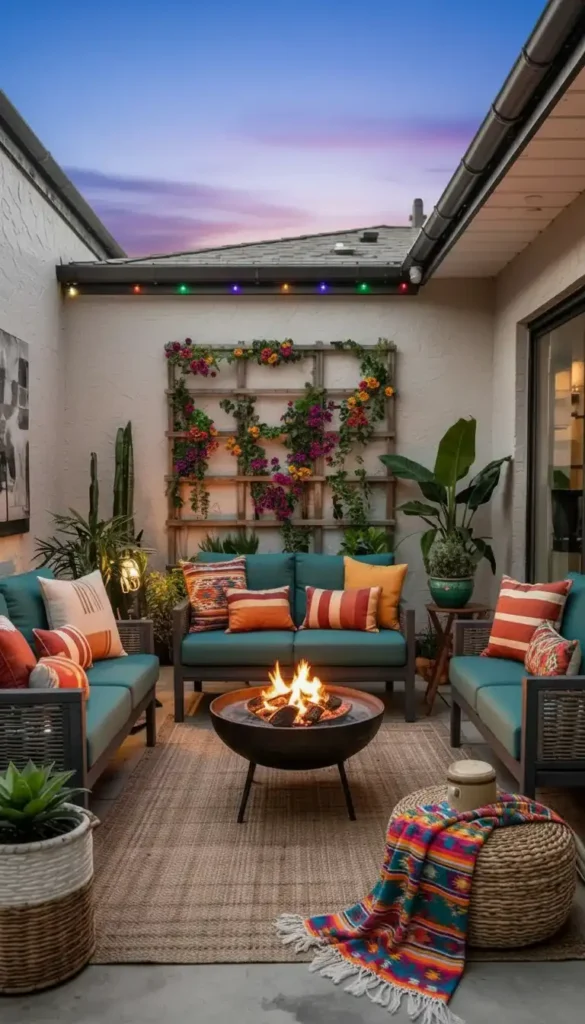
Weather Protection Extends Usability
Simple covers maintain the investment:
- Fitted bar cover protects surface from UV and moisture
- Cabinet for cushions keeps seating fresh between uses
- Quick-dry bar stools (mesh or slatted seats) eliminate standing water
- Sealed surfaces (marine-grade finishes) resist mildew in humid climates
These practical details keep the patio bar ready for spontaneous use.
Outdoor Kitchen And Bar Ideas For Large Backyards With Zones
Large backyards benefit from deliberate zoning that creates distinct areas for cooking, serving, dining, and lounging.
The bar becomes the social hinge that connects food preparation with relaxation.
The Property Plan Approach
Treat your backyard like a small campus:
- Cooking zone with grill, prep surfaces, and utensil storage
- Serving/bar zone where drinks and appetizers are accessed
- Dining zone with table for seated meals
- Lounge zone with lower, softer seating for post-meal conversation
This separation allows different activities to happen simultaneously without conflict.
The Bar Peninsula as Social Connector
Position the bar to bridge zones:
- Peninsula extends from main kitchen counter facing outward
- Cook can see dining and lounge areas while working
- Guests gather at bar without hovering over hot grill
- Clear corridor maintained between kitchen and dining (minimum 42 inches)
This configuration keeps the cook socially included while maintaining workflow.
Material Consistency Ties Zones Together
Repeated finishes create visual cohesion:
- Same wood tone on bar face, dining table, and lounge accents
- Stone or tile from kitchen counter repeated in planter caps
- Coordinated metal finishes (hardware, light fixtures, furniture frames)
- Unified color palette (3 colors maximum across all zones)
This repetition makes the large space feel designed rather than assembled.
📌 Pin this large-backyard zoning framework! 📌
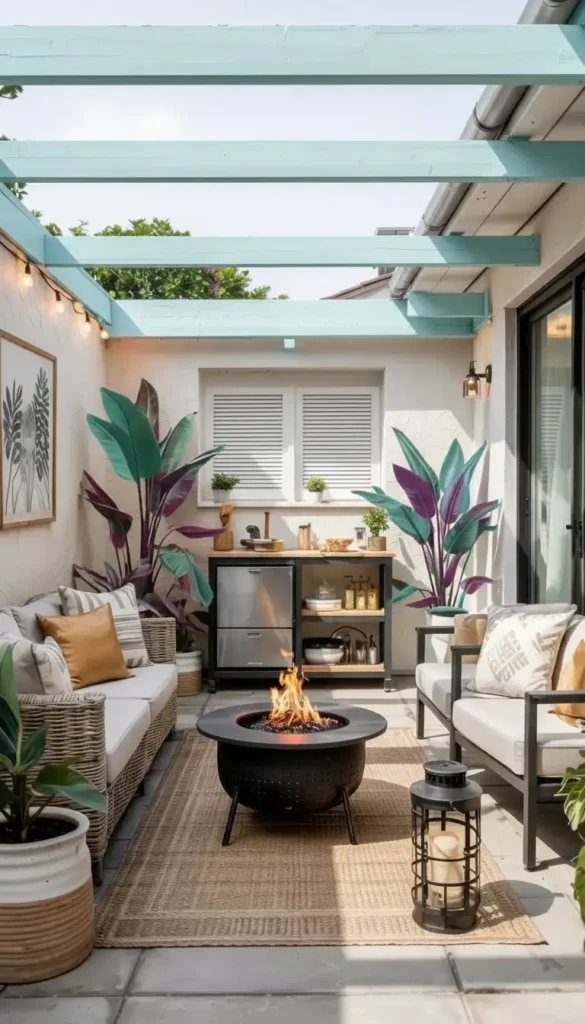
Secondary Beverage Station Prevents Crowding
Multiple access points improve party flow:
- Main bar at kitchen for cocktails and food service
- Secondary drink station near lounge with cooler and ice
- Reduces traffic at primary cooking area during gatherings
- Simple setup (rolling cart with ice tub and bottle opener)
This distributed approach accommodates larger guest counts comfortably.
The Bloxburg-Inspired Geometry Approach
Clean lines and symmetry work in real life:
- Geometric layout with clear 90-degree angles
- Simple color blocking using different paving materials
- Symmetrical furniture placement in formal zones
- Repeated architectural elements (pergola columns, planter sizes)
This video-game-inspired approach translates surprisingly well to actual construction.
Premium Convenience Features
Large spaces justify higher-end amenities:
- Built-in drink fridge (24-inch undercounter model)
- Ice drawer or ice maker for constant supply
- Sink with hot and cold water for full kitchen functionality
- Built-in cooler as budget alternative to refrigeration
These upgrades transform occasional-use bars into daily outdoor kitchens.
Sightline Planning Across Distance
Maintain visual connection across zones:
- Cook can see dining table without turning completely around
- Bar stools face lounge area for conversation continuity
- Keep central axis clear of tall plants or structures
- Lighting creates visual path connecting all zones
This intentional sightline planning prevents isolation despite physical distance.
📌 Save this zone-based design strategy! 📌
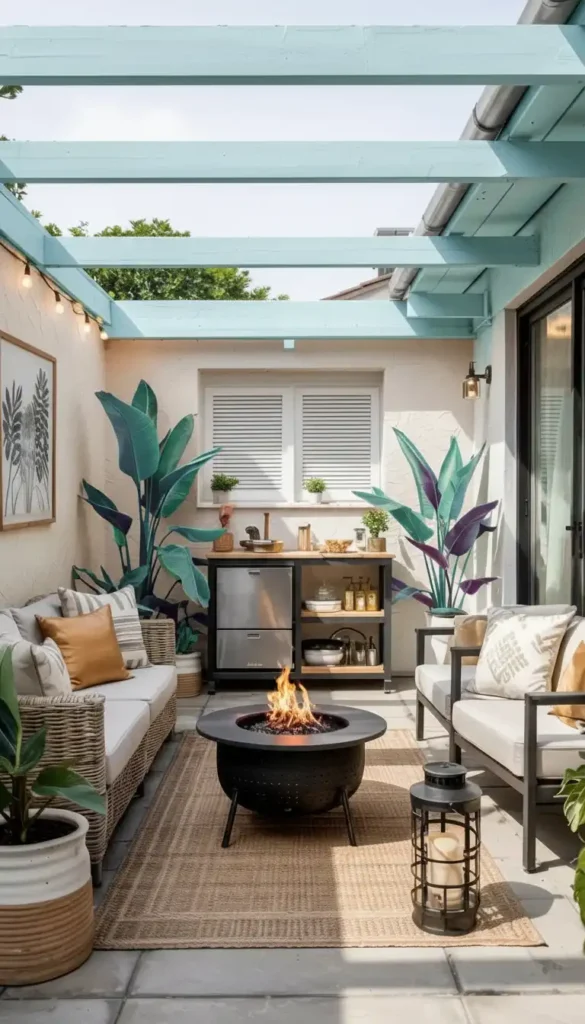
Infrastructure Planning From the Start
Utilities determine what’s possible:
- Plan electrical outlets for each zone (cooking, bar, lounge)
- Gas line routing if using natural gas grill
- Water access at kitchen if including sink
- Task lighting at all work surfaces before adding decorative lighting
Retrofitting these elements costs 3-5x more than planning them initially.
Small Outdoor Bar Built In BBQ Ideas Backyards For Compact Grilling
Compact yards demand integrated bar and grill designs where every square inch serves multiple purposes.
The key is combining grilling, prep, and serving into efficient linear or L-shaped configurations.
The All-In-One Line Configuration
Maximum function in minimal footprint:
- Single continuous counter housing grill, prep area, and bar seating
- Total depth of 30-36 inches including overhang for stools
- 6-8 feet of length provides adequate function (grill 24-30″, prep 18-24″, bar 36″)
- Shallow bar overhang (10-12 inches) prevents stools protruding into walkway
This tight integration delivers full outdoor kitchen in remarkably small space.
The L-Shape for Corner Placement
Utilize corner space efficiently:
- Grill on one leg (typically along property line or fence)
- Bar and prep on perpendicular leg facing yard
- Corner becomes landing zone for hot items
- Total footprint of 6×6 feet sufficient for functional setup
L-shapes work brilliantly in compact yards by maximizing corner real estate.
Built-In Look Without Full Masonry
Achieve permanent aesthetics on a budget:
- Framed base using pressure-treated lumber or metal studs
- Tile or stone veneer skin over weather-resistant backing
- Grill insert (drop-in model) rather than cart-style
- Heat-safe cement board as substrate near grill
This approach costs 40-60% less than full masonry while looking equally permanent.
📌 Pin this compact integration strategy! 📌
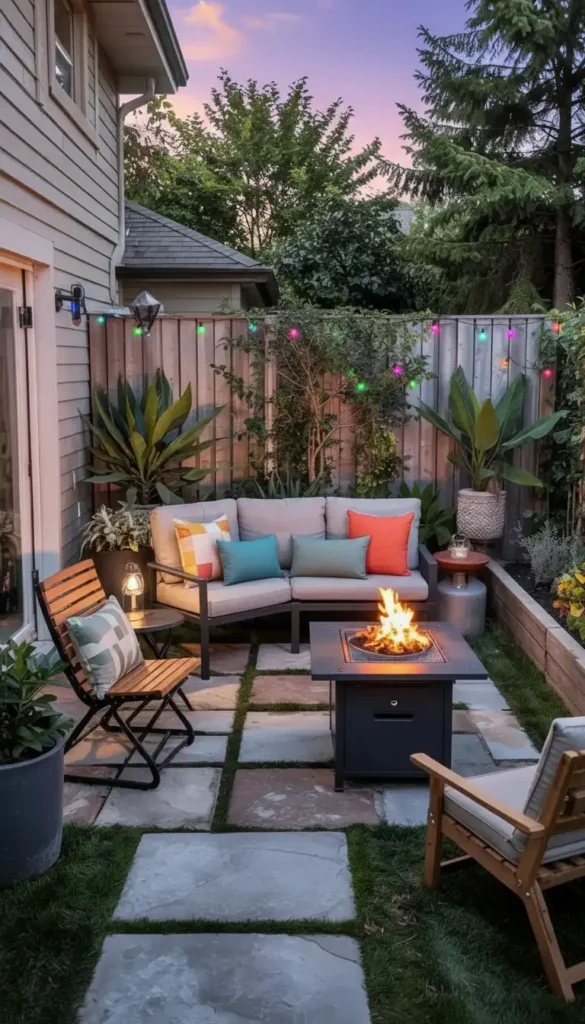
Vertical Storage Maximizes Limited Space
Build upward to preserve floor area:
- Narrow shelf (6-8 inches deep) mounted to fence or wall for spices and tools
- Magnetic strips for knife and utensil storage
- Vertical herb garden (wall-mounted planters or tower system)
- At least one weatherproof cabinet for propane, charcoal, or cleaning supplies
These vertical solutions provide essential storage without expanding footprint.
Minimal But Comfortable Seating
Right-size the seating for actual use:
- Two to three bar stools maximum for compact bars
- Small bench nearby (not at bar) provides alternative seating
- Foldable or stackable stools that store when not hosting
- Weather-resistant cushions add comfort without bulk
Restraint in seating prevents the cramped feeling that ruins small spaces.
Wall-Mounted Bar Alternative
The ultimate space-saver for tiny yards:
- Slim wood bar top (12-16 inches deep) mounted to fence or house wall
- Fold-down brackets allow bar to drop flat when not in use
- Portable grill positioned nearby (not under bar)
- Two fold-flat stools that hang on wall hooks
This solution works in yards where even 6 feet of linear space feels tight.
Clean Material Choices for Visual Expansion
Simple finishes prevent visual clutter:
- One strong material moment (clean wood slat face OR simple tile pattern, not both)
- Monochromatic color scheme (single wood tone, single stone/concrete color)
- Minimal decorative objects (quality over quantity)
- Matte finishes rather than busy patterns
Restraint makes small spaces feel larger and more sophisticated.
📌 Save this small-space BBQ bar design! 📌
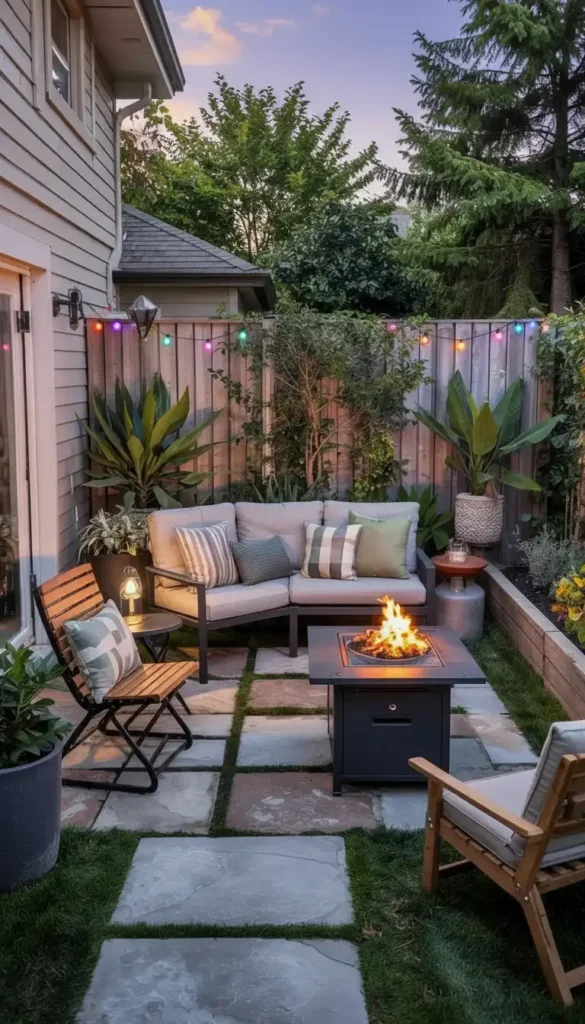
Heat and Smoke Management in Tight Quarters
Compact spaces require extra attention to ventilation:
- Position grill at yard edge for maximum smoke dispersal
- Small hood or vent screen if against structure
- Strategic placement considering prevailing wind direction
- Heat-resistant backsplash (cement board with tile) if near combustible walls
These safety considerations prevent the space from becoming uncomfortable or dangerous.
Task Lighting for Shadowy Corners
Compact bars often fall into shadow:
- Wall-mounted sconce aimed at grill surface (minimum 400 lumens)
- Under-cabinet LED strip if overhead shelf is present
- Single pendant over bar seating area
- Pathway light illuminating approach from house
Proper lighting transforms cramped corners into inviting destinations.
Conclusion
The outdoor bars that become daily gathering spots aren’t necessarily the biggest or most expensive—they’re the ones designed around how you actually live and entertain. Whether you’re integrating a bar with weekend grilling, creating a destination that feels like escape, designing for smooth patio flow, zoning a large backyard into distinct areas, or maximizing a compact space, the principles remain consistent: respect circulation, prioritize function, choose durable materials, and create atmosphere through intentional details.
Start with one zone, one strong design move, or one weekend DIY project. The outdoor bar that gets used every week matters infinitely more than the elaborate setup that never quite happens. Build something that supports your real entertaining style—whether that’s quick Tuesday burgers or Saturday night cocktail parties—and trust that thoughtful improvements will transform the space into exactly what your backyard needs.

“I share simple, beautiful and affordable home decor ideas to help you style every corner of your home with ease.