

There’s something quietly heartbreaking about a small living room that never quite feels like home. You rearrange the furniture for the tenth time, try a new throw blanket, move the coffee table two inches to the left — and still, it just doesn’t click. If that sounds familiar, you’re not alone. Millions of people are living in compact spaces and feeling like comfort and style are luxuries reserved for bigger rooms. They’re not.
The truth is, small living rooms don’t need more space. They need smarter decisions. In 2026, design has evolved to serve exactly this — blending warmth, personality, and function into spaces that feel intentional, not cramped. These five compact living room ideas are built for real homes, real budgets, and real lives. Read them, save them, and let’s make your small space feel like your favorite place.
Lindale Soft-Modern Living Room
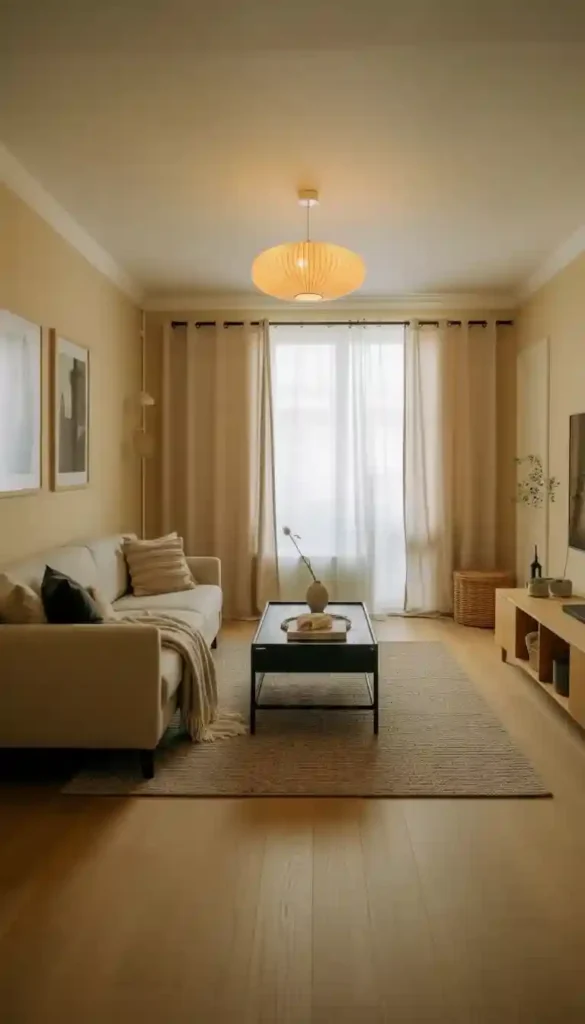
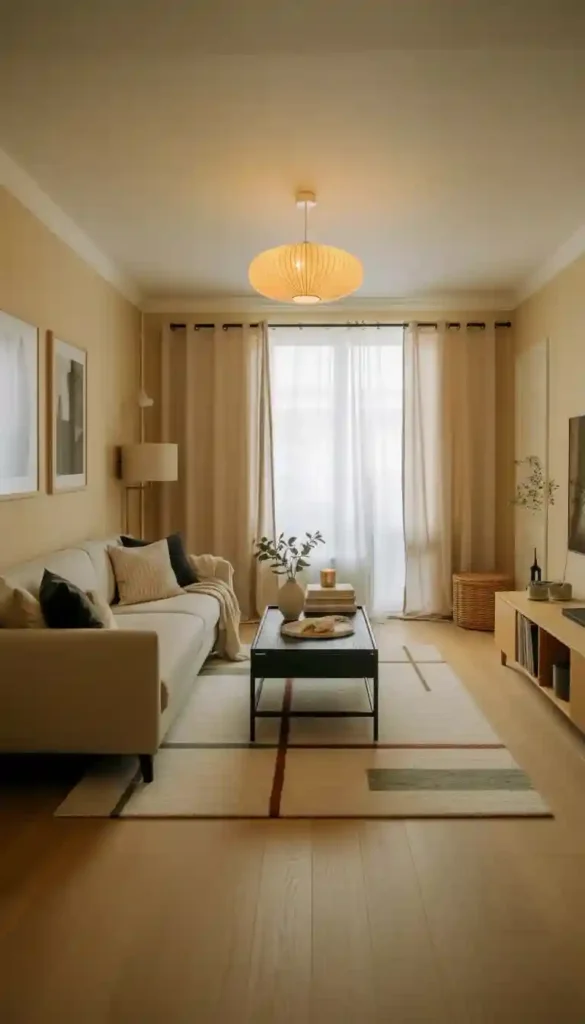
If you’ve ever walked into a room and instantly felt calm — like the space was giving you permission to breathe — that’s what the Lindale soft-modern style does to a compact living room. It’s not about stripping a room bare or making it look like a showroom. It’s about choosing each element with intention so nothing competes for attention, and everything works together quietly.
This concept works especially well in apartments and smaller homes where every piece of furniture has to earn its place. The Lindale approach favors light, airy layers over heavy statement pieces, and it consistently makes rooms feel larger, softer, and more livable than their square footage suggests.
The Foundation: Palette and Light
The Lindale palette starts with a gentle cream or warm white backdrop. This isn’t the stark, cold white you’d find in a hospital — it’s the kind of white that absorbs warm afternoon light and glows back softly.
- Cream or warm white walls reflect daylight without harshness
- Pale oak flooring adds warmth and visual continuity underfoot
- Sheer curtains let natural light in while maintaining a sense of airiness
- Avoid heavy drapes — they visually shrink the room and block light
Light is the most underrated tool in compact room design. When you let it flow naturally, the room seems to expand on its own. Sheer curtains create that “floating” effect — the light moves through them rather than stopping at them.
Choosing the Right Sofa
The sofa is the anchor of any living room, and in a small space, the wrong one can make everything feel suffocating. Lindale’s approach is clear: go slim, go linen.
- A linen sofa in cream, oatmeal, or warm gray keeps the palette cohesive
- Slim arms and legs reduce visual weight — the sofa looks like it’s floating
- Avoid deep, oversized sectionals that eat floor space and block natural flow
- A two-seater or compact three-seater works best for rooms under 200 sq ft
The linen fabric adds soft texture without requiring piles of decorative pillows. Two or three coordinating cushions are more than enough.
The Coffee Table: Go Metal, Go Minimal
In soft-modern design, the coffee table isn’t a storage solution — it’s a visual breath of fresh air.
- A slim metal frame coffee table in brass, matte black, or brushed nickel adds elegance without bulk
- Glass or marble tops maintain visual openness across the room
- Round shapes soften the space and improve traffic flow around furniture
- Keep the table surface simple: a small tray, one plant, one book
The metal element introduces just enough contrast against soft linen and pale wood to give the room definition. It’s that clean visual balance that makes a soft room feel designed rather than simply bare.
Pin this soft-modern living room setup! 📌
Floating Shelves Instead of Bulky Storage
In a compact room, storage that sits on the floor competes with furniture for space. Floating shelves solve this elegantly.
- Install slim floating shelves at eye level or slightly above the sofa
- Display only 4–6 curated pieces: a small plant, a candle, a book or two
- Leave negative space on the shelf — empty space reads as intentional, not forgotten
- Avoid overcrowding; every item should be visible and deliberate
Floating shelves draw the eye upward, which makes ceilings feel higher and rooms feel taller. It’s a simple trick with a big visual payoff in any compact space.
Why This Style Works in 2026
The soft-modern aesthetic is rising precisely because people are tired of rooms that feel cold or performative. There’s a shift happening toward spaces that feel human — warm, lived-in, quietly stylish.
- Soft palettes reduce visual stress, which matters when home doubles as your workspace
- Minimal furniture means easier cleaning and more physical breathing room
- Linen and natural materials are durable, affordable, and genuinely timeless
- The look doesn’t go out of style — it evolves gracefully with small updates
Lindale soft-modern design is your blueprint if you want a compact room that feels effortlessly put-together without spending a fortune or sacrificing comfort.
Save this soft-modern styling strategy! 📌
Brayford Charcoal Minimal Lounge
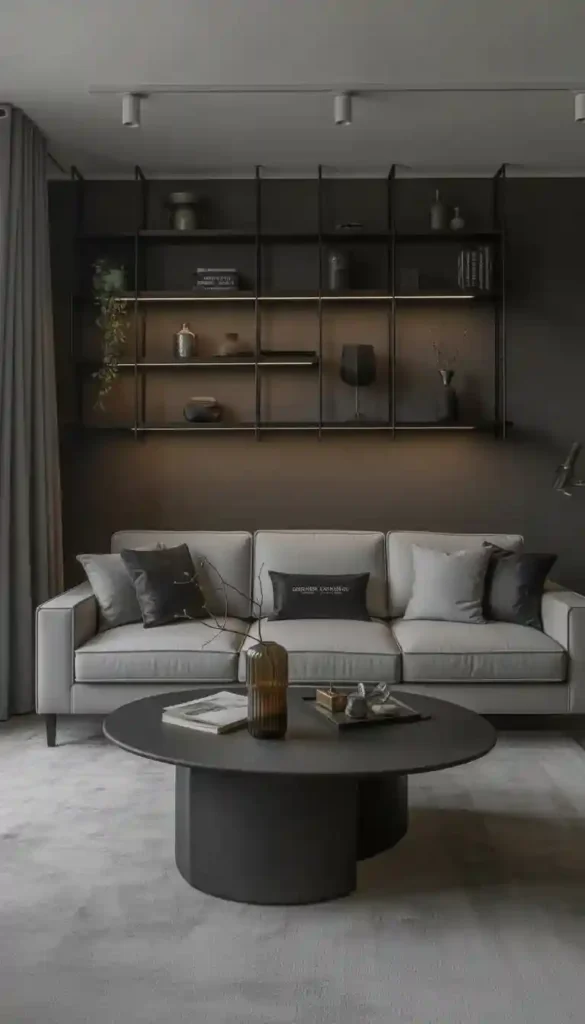
Here’s a design myth worth retiring: dark rooms feel smaller. That’s simply not true when the approach is handled correctly. The Brayford charcoal minimal lounge is proof that you can lean into deep, moody tones in a compact space and come out with something that feels sophisticated, cozy, and surprisingly open.
The secret is restraint. Dark color does the heavy lifting visually — so everything else needs to be minimal, intentional, and well-lit. When this balance is struck, a compact room in charcoal doesn’t just work. It becomes the kind of room people remember long after they leave it.
Why Charcoal Works in Small Spaces
Charcoal isn’t as aggressive as black, and it’s far more interesting than gray. It has depth — the way it responds to light changes throughout the day, giving the room a living quality that neutral palettes simply can’t match.
- Charcoal absorbs and reflects light differently at different times of day
- It creates a cocooning effect — the room feels intimate rather than cramped
- Pairs naturally with warm wood tones, which prevents the palette from feeling cold
- Works on a single accent wall or as an all-over treatment depending on room size
For compact rooms, a charcoal accent wall behind the sofa is usually the most effective starting point. It adds drama and depth without overwhelming the space entirely.
Lighting: The Non-Negotiable Element
In a dark-palette room, lighting isn’t optional — it’s structural. And in a compact space, the type of lighting matters even more because bulky fixtures eat into precious floor and surface area.
- Soft spotlights or recessed ceiling lighting replace bulky floor lamps entirely
- Wall sconces add ambient glow without occupying any floor space
- A single pendant light over the seating area creates warm, focused atmosphere
- Warm bulb temperatures between 2700K and 3000K prevent the room from feeling cave-like
The Brayford lounge avoids large table lamps or standing floor lamps. Instead, layered lighting from ceiling and wall sources creates flexibility and keeps all surfaces clean and clear.
Warm Wood as the Balancing Act
Every dark room needs warmth to prevent it from feeling heavy or oppressive. In the Brayford minimal lounge, warm wood decor pieces do exactly this job with quiet confidence.
- Small wood-framed mirrors or shelving introduce natural warmth to dark walls
- A light oak or walnut side table softens the charcoal palette without fighting it
- Wooden bowls, trays, or small sculptures on surfaces add organic texture
- Keep wood tones consistent — mixing too many finishes creates visual noise
Wood against charcoal is one of the most timeless pairings in interior design. It feels natural, grounded, and is very much at home in 2026 aesthetics.
Pin this charcoal lounge design approach! 📌
Sofa and Seating Choices
The sofa in a charcoal room shouldn’t fight the walls — it should either complement or contrast with clear purpose.
- A mid-tone sofa in warm gray, dusty blue, or deep olive creates tonal harmony
- A cream or off-white sofa creates bold contrast and visually brightens the space
- Avoid black furniture against charcoal walls — it eliminates visual definition entirely
- Compact two-seaters or single armchairs keep floor space open and walkable
Textured fabrics like boucle, velvet, or heavy linen add dimension and prevent the room from feeling flat. In a dark palette, texture is doing the work that color cannot.
The Minimal Part of Minimal Lounge
The word “minimal” in this concept isn’t about emptiness — it’s about editing. The Brayford lounge works because it refuses to overcrowd.
- Limit decor to 5–7 items total across all surfaces
- One large art piece on the charcoal wall beats a gallery wall of small frames
- A single area rug in a warm neutral grounds the seating without adding pattern chaos
- Keep the coffee table surface nearly bare — a candle, a coaster stack, nothing more
Every item earns its place. That discipline is what makes the dark palette feel deliberate and beautiful rather than heavy and cluttered.
Save this charcoal minimal lounge strategy! 📌
Oakwyn Bright Nordic Space
There is a reason Scandinavian design has never really gone out of style — it solves the exact problems that compact living rooms face. Too little light, too much furniture, too many competing ideas. Nordic design strips all of that away and replaces it with calm, clarity, and functional beauty. The Oakwyn bright Nordic space is the 2026 version of this approach, updated with warmer textures and a lived-in softness that earlier versions of the style sometimes lacked.
If your compact living room feels busy, crowded, or visually exhausting, this concept is your reset button. It works in almost any layout and with almost any budget — because the philosophy is about subtraction, not addition.
The Nordic Color Story
Nordic interiors are built on a foundation of whites, soft grays, and natural wood tones. But the 2026 version adds just a touch more warmth to prevent the palette from feeling clinical.
- Soft white walls are the non-negotiable starting point — they reflect daylight beautifully
- Ash or light pine flooring creates a natural, airy foundation underfoot
- Warm gray or oatmeal-toned furniture bridges the gap between cool and cozy
- Accent tones stay muted: dusty sage, pale blush, or soft slate work well
The goal is a palette that feels quiet and harmonious — not stark or cold. Every color should feel like it belongs to the same soft, natural family.
Sofa and Textile Layering
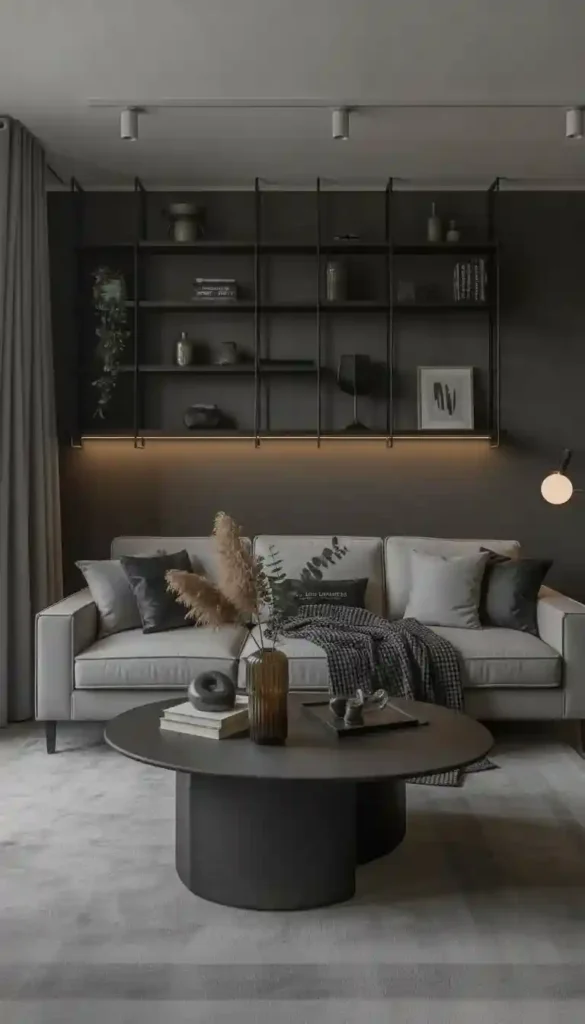
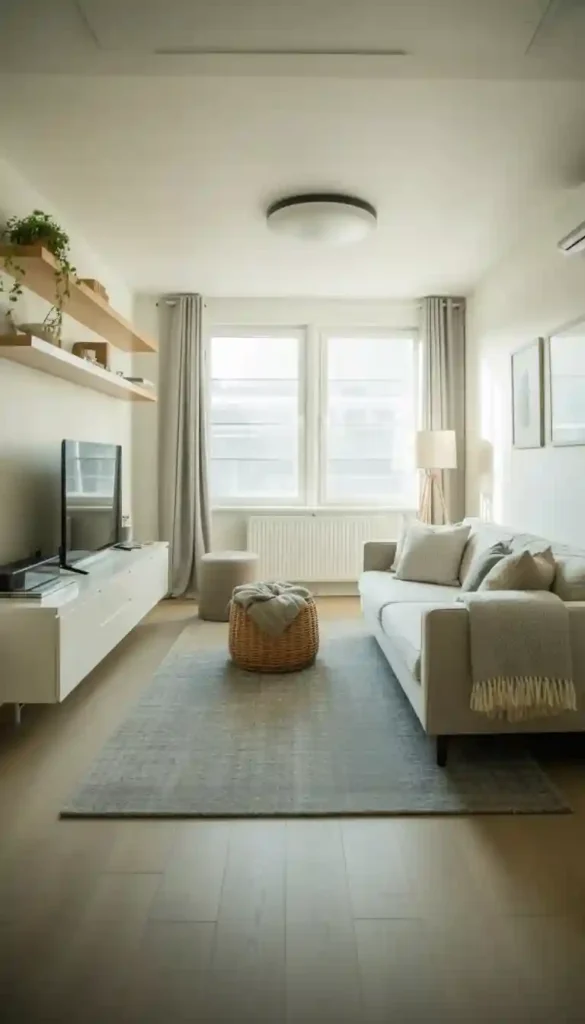
The Oakwyn Nordic space pairs a cozy gray sofa with cotton and linen textiles to maintain warmth without clutter. Textile layering is one of the most effective tools in Nordic design.
- A gray sofa in a tight weave or smooth linen fabric anchors the room softly
- Layer a cotton throw in cream or pale blush over one arm of the sofa
- Add two or three cushions in different but coordinating neutral textures
- A wool or cotton area rug underfoot completes the layered, cozy effect
The layering happens within a tight, cohesive palette. None of these elements fight each other — they simply add depth and warmth to what would otherwise be a flat, monochromatic space.
Windows and Natural Light as Design Tools
A large window is the single best feature a Nordic-inspired compact room can have. Oakwyn’s design maximizes this shamelessly.
- Keep window treatments minimal: simple linen panels or no curtains at all
- Position seating to face or angle toward the main light source
- Use reflective surfaces like mirrors or glass to bounce light deeper into the room
- Avoid blocking windows with tall furniture — light is the most valuable square footage in the room
If your room has limited window space, strategic mirror placement can replicate much of this effect. A large mirror on the wall opposite the window essentially doubles the light in the room.
Pin this Nordic bright space concept! 📌
Floating Shelves for Smart Storage
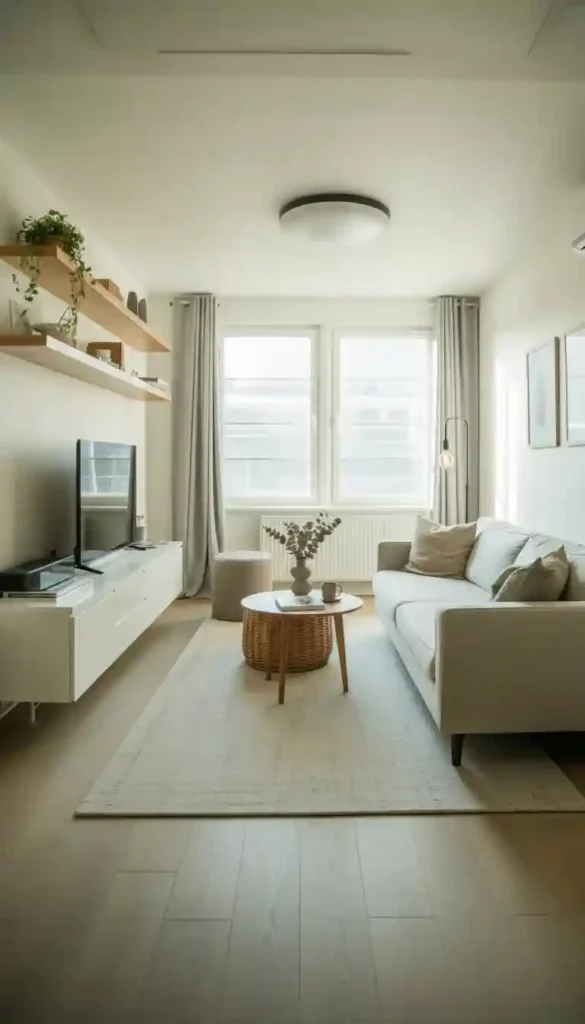
Nordic design refuses to let storage become visual clutter. Floating shelves are the solution, used consistently throughout Oakwyn-style rooms.
- Slim white or ash-wood floating shelves keep the wall feeling open
- Organize essentials without stacking items too tightly or too high
- Display a rotating selection of books, small plants, and simple ceramics
- Leave at least 30–40% of each shelf empty — breathing room is part of the design
This approach keeps the floor completely clear, which is critical in compact spaces. Clear floors read as more floor, which makes the room feel larger than it actually is.
Why Oakwyn Nordic Works in Any Compact Room
The Oakwyn bright Nordic space is adaptable in a way that more prescriptive design styles aren’t. It doesn’t require a specific layout, a specific sofa, or even a large budget.
- The palette is easy to build incrementally — start with walls and flooring
- Nordic furniture tends to be simple and therefore widely available at all price points
- The style is seasonally flexible — add warmer textiles in winter, lighter ones in summer
- It ages well because it’s built on restraint, not trend-chasing
The result is a serene, simple living space that consistently feels larger than its actual dimensions. That’s the quiet genius of Nordic design applied to compact living in 2026.
Save this Nordic space strategy for your compact room! 📌
Thrifted Furniture With Modern Styling
Let’s be honest about something: designing a living room from scratch with all-new furniture is expensive. Really expensive. And the pressure to make a small space look curated and modern while working with a limited budget can feel genuinely overwhelming. This is exactly where the thrifted furniture with modern styling approach earns its place — and earns it with style.
This concept proves that the foundation of a beautiful compact living room doesn’t have to cost much. What it requires is a good eye, a little patience, and the knowledge of exactly how to update and style older pieces so they feel intentional and cohesive. In 2026, thrifted styling has moved from budget necessity to deliberate aesthetic choice.
Why Thrifted Furniture Works
Older furniture has something new furniture often lacks: character. The slight curve of a vintage armchair, the solid wood frame of a second-hand sideboard, the unexpected silhouette of a thrift store coffee table — these pieces bring personality that flatpack furniture rarely achieves.
- Thrifted pieces have unique shapes and proportions not found in current retail
- Solid wood construction from older decades often outlasts modern flat-pack furniture
- The price difference allows budget to be redirected toward styling and textiles
- Sustainability is built into the approach — no new manufacturing required
The key is knowing what to look for. Prioritize pieces with good bones — solid frames, interesting shapes, durable materials — even if the surface finish or upholstery needs updating.
How to Modernize a Thrifted Piece
A thrifted sofa or armchair doesn’t have to look thrifted. With the right updates, it can look intentional and even expensive.
- Fresh paint on wooden frames in matte black, warm white, or dusty sage instantly modernizes
- New upholstery in a current fabric — boucle, linen, or textured cotton — transforms seating completely
- New hardware on dressers or sideboards is a 20-minute update that changes everything
- Cleaning and conditioning wood surfaces reveals quality that grime has been hiding
Even one of these updates is usually enough to make a piece feel cohesive with more contemporary surroundings. You don’t need to do all four.
Pin this thrifted furniture modernizing guide! 📌
Mixing Thrifted and Contemporary Pieces
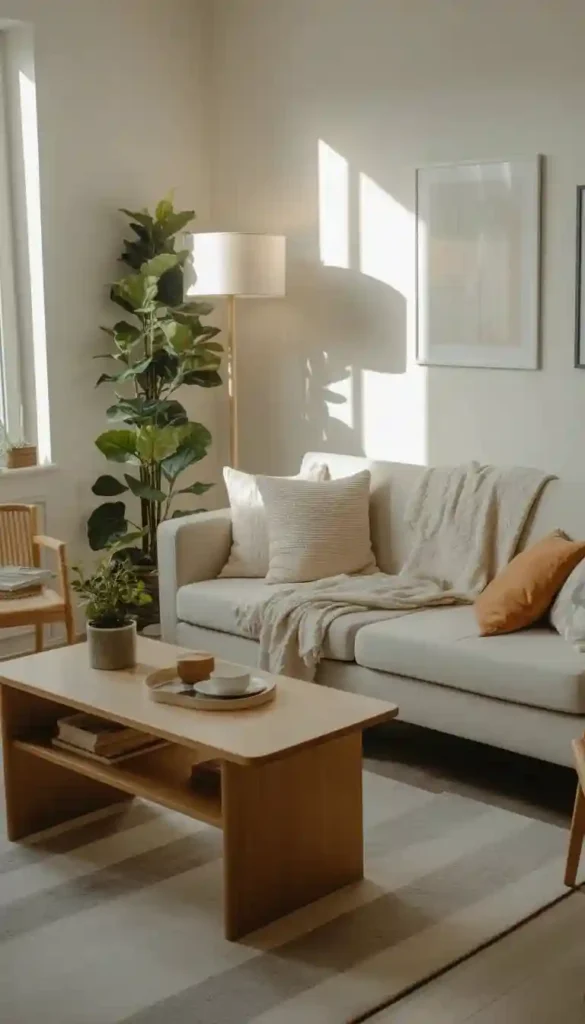
The magic of this approach happens in the mix. A thrifted sofa styled with a contemporary coffee table feels curated. All thrifted or all contemporary can feel flat by comparison.
- Pair an older upholstered sofa with a slim metal or glass coffee table for contrast
- Use contemporary lighting — a simple pendant or wall sconce — to frame older furniture
- Add new throw pillows and a fresh area rug to visually tie old and new together
- One strong contemporary accent piece (a mirror, a lamp, a shelf) anchors the thrifted items
The contrast between the character of older pieces and the clean lines of contemporary accents creates the kind of layered, collected look that feels genuinely designed rather than assembled from one store in one afternoon.
Textiles and Neutral Tones as the Unifying Force
When you’re working with furniture from different eras and sources, the textile layer is what makes everything feel intentional rather than mismatched.
- Choose a tight, cohesive palette for all textiles: cushions, throws, rugs, and curtains
- Warm neutrals — cream, oatmeal, sand, warm gray — work across almost all furniture finishes
- Repeat at least one color or texture in two to three places throughout the room
- A single area rug that pulls tones from across the room visually unifies the space
Think of textiles as the visual glue. They’re affordable, changeable, and extraordinarily effective at making a diverse collection of furniture feel like it belongs together.
Plants, Lighting, and the Finishing Layer
Once the furniture is in place and the textiles are layered, the final details bring the room fully to life.
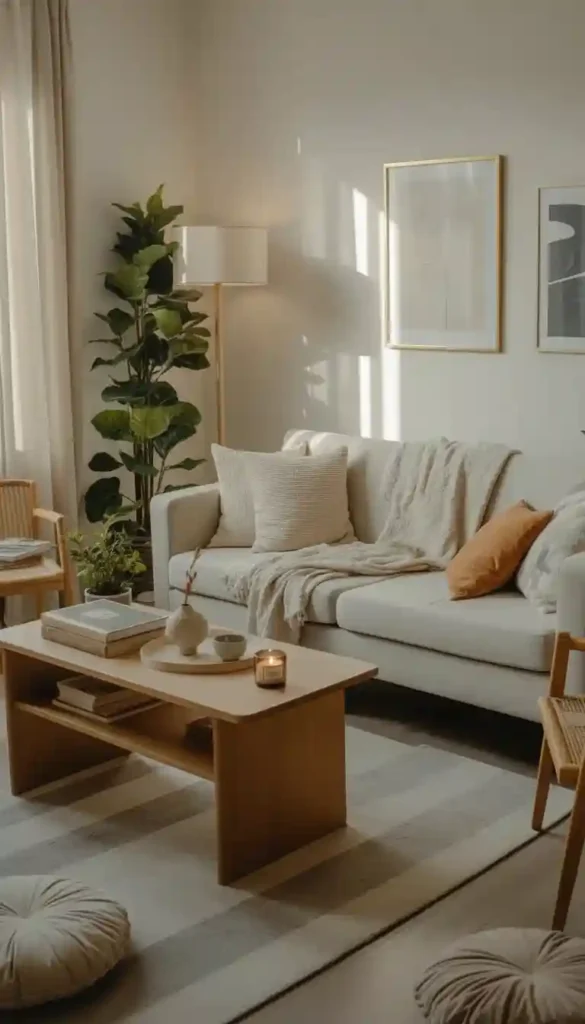
- Plants add living color and scale — a tall fiddle leaf fig or trailing pothos reads as decor
- Warm lighting from a floor lamp or string lights softens the overall atmosphere considerably
- Candles on side tables or the coffee table add warmth that’s essentially free
- Art on the walls doesn’t have to be expensive — thrifted frames with printed art work beautifully
These finishing touches are what separate a room that looks styled from one that looks assembled. They’re also where personality enters the space most clearly.
Save this thrifted furniture styling strategy! 📌
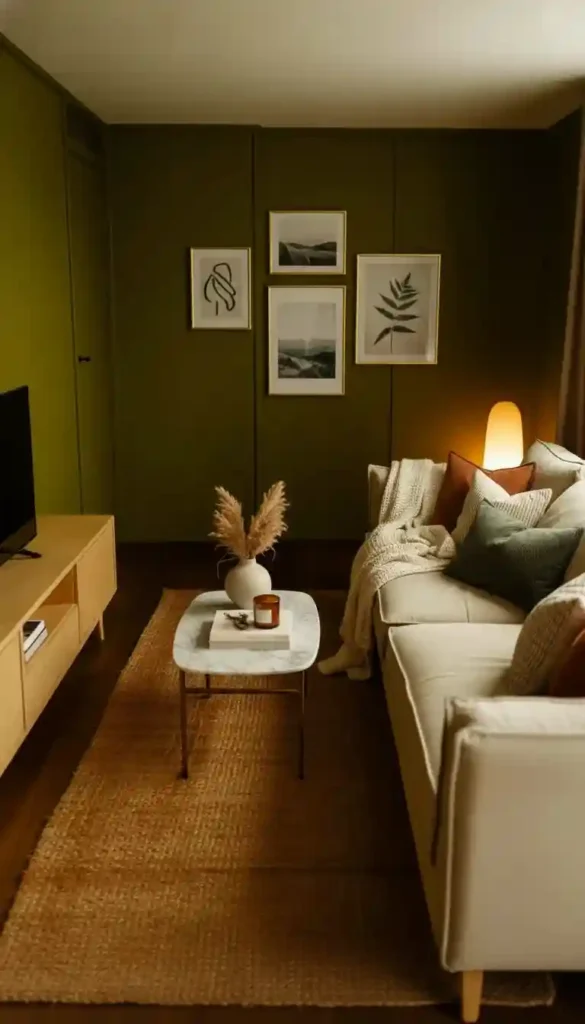
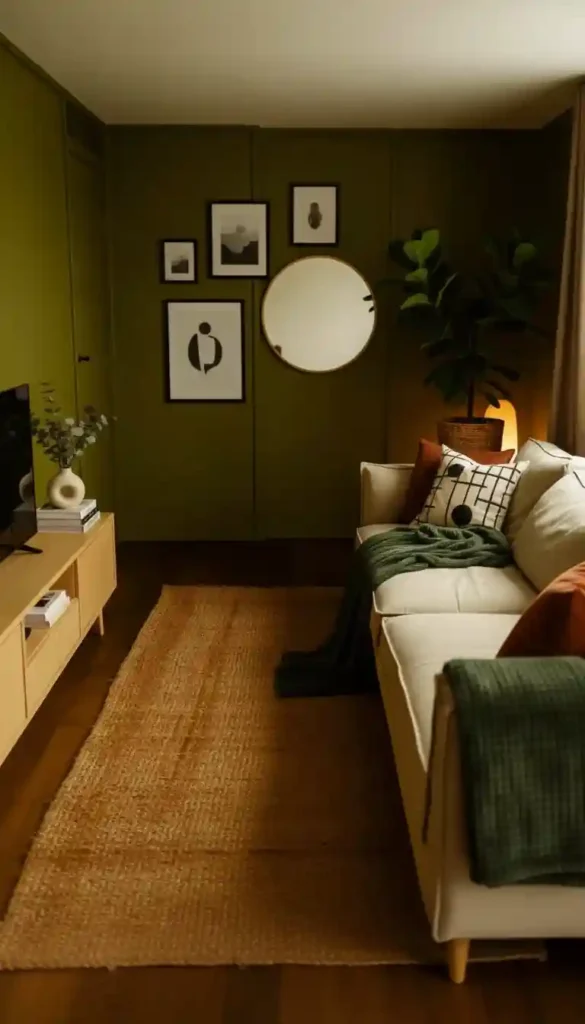
Briarton Olive Accent Room
Color is one of the most powerful — and most underused — tools in compact room design. Most people playing it safe with all-neutral rooms are leaving the best version of their space on the table. The Briarton olive accent room shows exactly how to introduce a bold color into a compact living room without overwhelming it, without making it feel smaller, and without committing to something you’ll want to paint over in six months.
Olive is the color of 2026’s earthy modern movement. It’s warm enough to feel cozy, muted enough to feel sophisticated, and versatile enough to work with almost any complementary palette. Done right, it transforms a compact room from simply adequate to genuinely memorable.
Why Olive Works as an Accent Color
Not all bold colors work in compact spaces. Olive does, for several specific reasons that make it uniquely suited to the earthy modern aesthetic.
- Olive reads as warm, which makes spaces feel cozy rather than tight
- Its muted, earthy quality prevents it from visually advancing too aggressively
- It pairs naturally with ivory, warm wood, cream, and terracotta — all popular 2026 tones
- A single olive accent wall adds energy without requiring full-room commitment
Compare this to a bright cobalt or saturated red — colors that visually push toward you and can make compact rooms feel smaller. Olive stays in its lane while still making a clear, confident statement.
The Olive Accent Wall: Placement and Approach
The accent wall in the Briarton concept isn’t randomly placed. Strategic positioning maximizes the impact while protecting the sense of openness.
- Place the olive wall behind the primary seating — usually the sofa wall
- This creates depth and frames the seating area without enclosing the room
- Use a matte finish — it absorbs light softly and reads as more sophisticated than satin or gloss
- Keep the remaining three walls in a warm ivory or off-white to maintain balance
If you’re renting and can’t paint, removable peel-and-stick wallpaper in an olive or sage tone achieves a very similar effect with zero commitment and zero damage to walls.
Pin this olive accent wall approach! 📌
The Ivory Sofa: The Perfect Counterpart
The Briarton room pairs olive with an ivory sofa, and this combination is one of the most effective in earthy modern design. Here’s exactly why it works.
- Ivory reflects light back into the room, balancing the deeper accent wall
- The contrast between olive and ivory is high enough to be interesting but soft enough to feel harmonious
- An ivory sofa in a linen or textured fabric adds warmth and pairs well with natural materials
- Cushions in terracotta, warm rust, or dusty gold bridge the two tones and add personality
The ivory sofa isn’t just a furniture choice — it’s a lighting tool. It keeps the room feeling open and bright while the olive wall provides the depth and character.
Light Wood Console and Organic Structure
In the Briarton room, a light-wood console or side table plays a critical supporting role. It grounds the space and introduces the organic materials that define earthy modern design.
- A slim console in light ash or pale oak behind or beside the sofa adds function without bulk
- Use it to display one or two plants, a ceramic lamp, and a small stack of books
- The wood tone connects floor to furniture to wall in a continuous natural warmth
- Avoid dark wood in an olive room — it can make the space feel heavy
The console also provides a dedicated surface for decor, which prevents the coffee table from becoming overcrowded. In a compact room, dedicated surfaces for specific purposes reduce visual chaos significantly.
The Area Rug: Grounding the Palette
The Briarton concept uses a textured area rug to tie all the palette elements together and physically define the seating zone.
- Choose a rug in a warm neutral — jute, sisal, cream, or warm beige work beautifully
- The texture of the rug adds the tactile layer that the olive wall and linen sofa invite
- Size matters: too small and the rug floats awkwardly; aim for at least 8×10 ft in most compact rooms
- A low-pile or flat-weave rug keeps the visual plane close to the floor, which reads as spacious
The rug also serves a practical function — it absorbs sound in hard-floored compact rooms, which makes the space feel softer and more livable day to day.
Warm Ambient Lighting and Earthy Decor
The final layer of the Briarton olive accent room is lighting and decor — and in an earthy modern space, both follow the same rule: warm, organic, intentional.
- Ambient lighting from a simple floor lamp or wall sconce highlights the olive wall beautifully at night
- Warm bulbs in the 2700K–3000K range make earthy tones glow rather than flatten
- Ceramic vessels in terracotta or matte white add sculptural quality to shelves and surfaces
- Dried botanicals or a simple olive branch arrangement reinforce the natural palette
Every decor choice in the Briarton room serves the palette. Nothing competes, nothing clashes, and nothing clutters. That restraint is what makes the color feel powerful rather than chaotic.
Save this earthy olive accent room strategy! 📌
Conclusion
Small living rooms are not a design problem to be solved — they’re an opportunity to be taken. Every compact space has the potential to feel curated, comfortable, and genuinely beautiful. What it takes is intention: choosing the right palette, editing down to what matters, and layering in warmth through textiles, lighting, and the occasional unexpected touch of color.
Whether you’re drawn to the quiet calm of Lindale’s soft-modern style, the moody confidence of Brayford’s charcoal lounge, the serene simplicity of Oakwyn’s Nordic approach, the resourceful charm of thrifted-and-styled, or the earthy boldness of Briarton’s olive palette — there is a version of a compact living room here that was made for exactly your space. Start with one idea. Make one change. And watch how quickly a room that never felt quite right starts to feel like exactly where you want to be.

“I share simple, beautiful and affordable home decor ideas to help you style every corner of your home with ease.